You’ve tried the cleansers, the spot treatments, the gentle routines. Yet, those persistent breakouts keep returning, often in the same predictable places. It can feel like a frustrating game of whack-a-mole with your skin. When acne seems to follow its own stubborn pattern, ignoring your best efforts, it’s worth considering if hormones are the unseen directors of the show.
Hormonal acne isn’t just a label for adult breakouts; it’s a specific pattern of inflammation driven by internal fluctuations. Recognizing its signature signs is the first step toward a more effective conversation with a healthcare professional, moving beyond surface-level solutions to address potential root causes.
What makes acne “hormonal”?
At its core, all acne involves a combination of clogged pores, oil production, bacteria, and inflammation. Hormonal acne is distinguished by the primary driver: shifts in hormone levels. Androgens, like testosterone, signal your skin’s oil glands to produce more sebum. This excess oil can mix with dead skin cells, clogging pores and creating an environment where acne-causing bacteria thrive.
While often associated with the menstrual cycle or conditions like polycystic ovary syndrome (PCOS), hormonal fluctuations are a part of life for everyone, influenced by stress, lifestyle, and natural life stages. The key is identifying when your breakouts fit a hormonal pattern, suggesting that internal balance, not just your skincare, needs attention.
Four warning signs your acne may be hormonal
If you’re wondering whether your skin is reacting to internal shifts, look for these recurring patterns. One sign alone may not tell the whole story, but a combination of them strongly suggests it’s time to bring it up with a doctor or dermatologist.
1. Breakouts that follow a cyclical pattern
This is the most classic hallmark. If you menstruate, notice if pimples reliably appear in the week or two leading up to your period, often calming down afterward. This pattern aligns with the natural premenstrual drop in estrogen and relative rise in androgens, which can increase oil production. Tracking your skin alongside your cycle for a few months can reveal this clear connection.
2. Deep, tender cysts along the jawline, chin, and lower cheeks
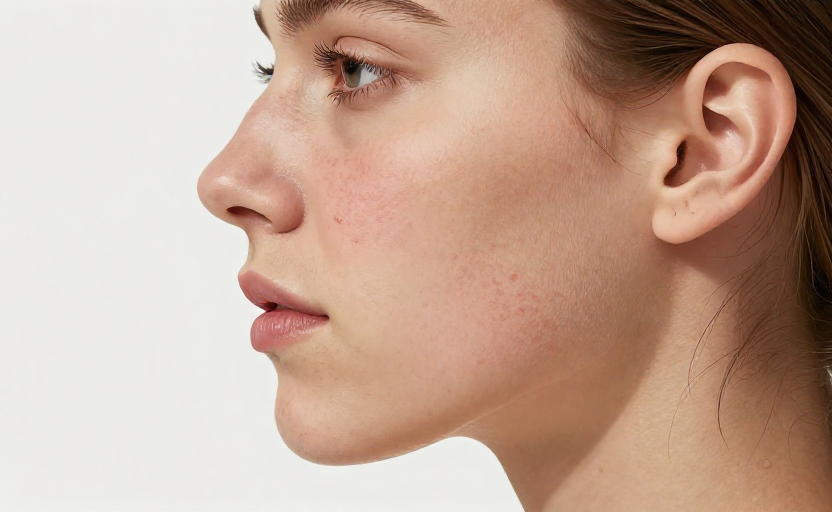
Hormonal acne favors the “beard distribution” area—the jawline, chin, and lower cheeks. The breakouts themselves are often deeper, more inflamed, and painful to the touch (nodules or cysts) rather than surface-level blackheads or small pustules. These areas are rich in hormone-sensitive oil glands, making them ground zero for flare-ups driven by internal changes.
Painful, under-the-skin bumps that linger are a key differentiator from more superficial congestion.
3. Persistent acne that doesn’t respond to typical over-the-counter treatments
You’ve been diligent with salicylic acid, benzoyl peroxide, and non-comedogenic products, yet the breakouts persist or quickly return. This resistance can indicate the problem is being fueled from within, making topical treatments alone insufficient. It’s a sign that the engine of oil production is running too high for surface-level approaches to fully manage.
4. Breakouts that coincide with other hormonal shifts or symptoms
Look at the bigger picture. Do breakouts flare during periods of significant stress, which elevates cortisol? Have they appeared or worsened with perimenopause, after starting or stopping birth control, or alongside other symptoms like irregular periods, unwanted hair growth, or hair thinning? Acne rarely exists in a vacuum; when it clusters with other signs of hormonal fluctuation, it points more clearly to a root cause.
How to prepare for the conversation with your doctor
Walking into an appointment feeling prepared can make the discussion more productive. Your doctor will want to understand your personal pattern, not just see the breakout you’re having today.
- Keep a simple log: For a few weeks, note the timing of breakouts, their location (chin, jaw, etc.), and their type (deep cyst vs. surface pimple). If applicable, track them against your menstrual cycle.
- List your tried solutions: Be ready to share what over-the-counter products, dietary changes, or skincare routines you’ve used and for how long, and what minimal effect they had.
- Note other symptoms: Mention any related changes in your cycle, skin, hair, mood, or energy levels, even if they seem unrelated. This holistic view is crucial.
- Ask guiding questions: Come with questions like, “Based on this pattern, does this look like hormonal acne to you?” or “What are the treatment options that address the hormonal component?”
This information helps your healthcare provider distinguish hormonal acne from other types and guides them toward the most appropriate next steps, which may include specific prescription treatments or further evaluation.
Paths forward after diagnosis
If you and your doctor determine hormonal factors are at play, the approach shifts. The goal is to manage both the symptoms on your skin and the internal imbalances contributing to them. Options discussed may range from topical prescriptions that target hormone-sensitive glands to oral medications that systemically regulate hormone activity. Lifestyle approaches focusing on stress management, sleep, and balanced nutrition are often recommended as supportive foundations, as they influence our hormonal milieu.
Remember, seeking clarity on hormonal acne isn’t about finding a quick fix; it’s about understanding your skin’s unique language. Recognizing these warning signs empowers you to seek targeted care, moving from frustration toward a strategy that addresses the cause, not just the consequence.