That persistent tightness, the flaky patches, the itch that comes out of nowhere—it’s easy to assume it’s just dry skin. After all, a good moisturizer is the universal fix, right? Not always. Sometimes, what feels like simple dryness is actually a sign of a skin condition that requires a different approach. Learning to spot the subtle differences can save you time, frustration, and ensure your skin gets the care it truly needs.
The confusion is common. Both dry skin and many skin conditions can share symptoms like roughness and scaling. But their origins, patterns, and responses to treatment are distinct. By paying attention to a few key details, you can become a better detective of your own skin’s signals.
1. Where is the dryness located?
Generalized dry skin tends to be widespread and symmetrical. You might feel it on both cheeks, across your forehead, or on the fronts of your shins—areas commonly exposed to environmental factors like wind, low humidity, or harsh soaps. It’s often a whole-body sensation of tightness, especially after showering.
In contrast, many skin conditions appear in specific, localized patterns. Eczema (atopic dermatitis), for instance, frequently shows up in the creases of elbows and knees, on wrists, or on the neck. Psoriasis often presents with well-defined, thick, silvery scales on the scalp, elbows, knees, or lower back. Rosacea primarily affects the central face—cheeks, nose, chin, and forehead—with redness and visible blood vessels. If your “dryness” consistently pops up in the same distinct spots, it’s a clue you might be dealing with more than simple dryness.
2. What does the itch feel like?
Dry skin can certainly be itchy, but the itch is often a mild, background annoyance that improves fairly quickly with moisturizing.
The itch associated with conditions like eczema, however, is frequently intense, persistent, and can feel deep and almost unbearable. It’s the kind of itch that disrupts sleep and compels scratching, which only worsens the skin’s state. Psoriasis can also itch or burn, and the scales may feel tender. If the itch is severe, seems disproportionate to how dry your skin looks, or is your primary complaint, it’s a significant red flag.
An intense, relentless itch that disrupts daily life is rarely just about dry skin.
3. Look closely at the texture and appearance
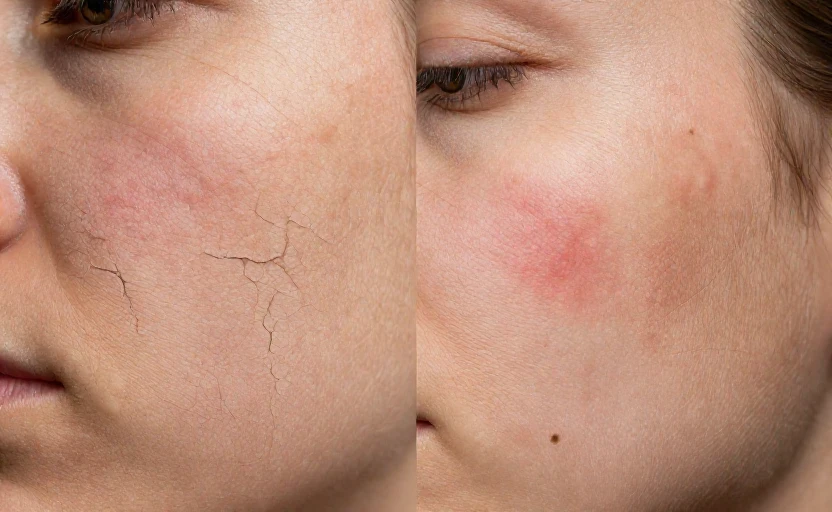
Take a moment to really look at the affected area. Simple dry skin typically looks and feels rough, with fine, white flakes that sit on the surface. The skin might have a slightly ashy or grayish cast, especially on deeper skin tones.
Now, compare that to these signs:
- Redness and Inflammation: Widespread redness, especially with a rash-like quality, is not a hallmark of simple dryness. Eczema often presents as red or brownish-gray patches that may be swollen or warm to the touch.
- Thick, Silvery Scales: Psoriasis is characterized by raised plaques covered with thick, silvery-white scales that may bleed slightly if picked.
- Bumps, Pustules, or Visible Vessels: Rosacea can involve small, red, solid bumps or pus-filled pimples, alongside visible tiny blood vessels (telangiectasia).
- Oozing or Crusting: Weeping, crusting, or signs of infection are clear indicators of a disrupted skin barrier, common in inflamed eczema patches but not in uncomplicated dry skin.
4. How does it respond to basic moisturizing?
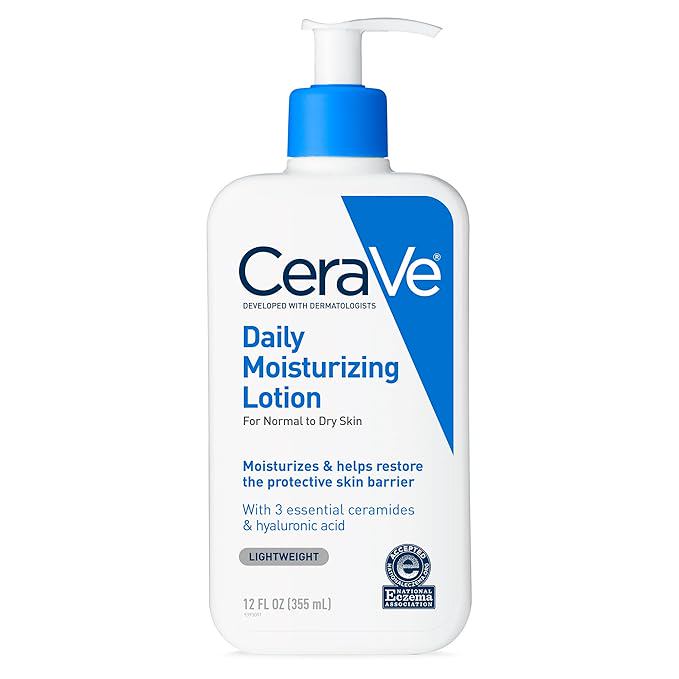
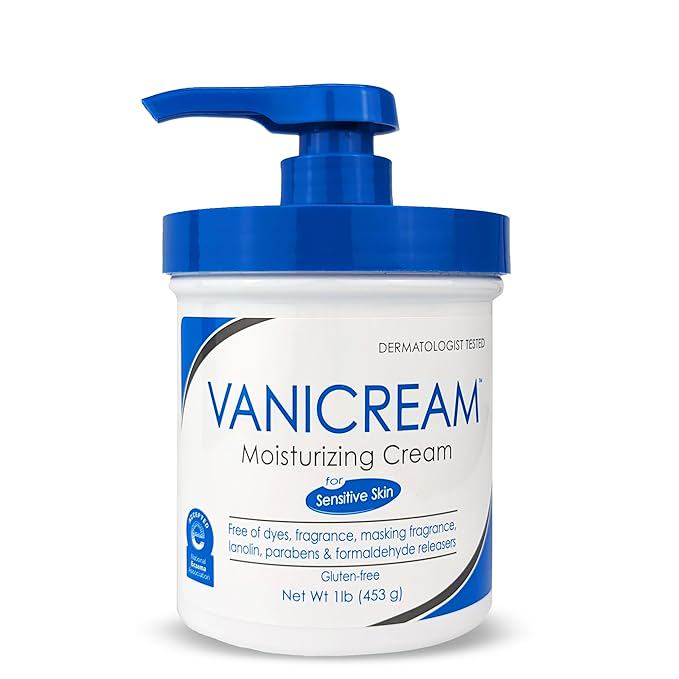
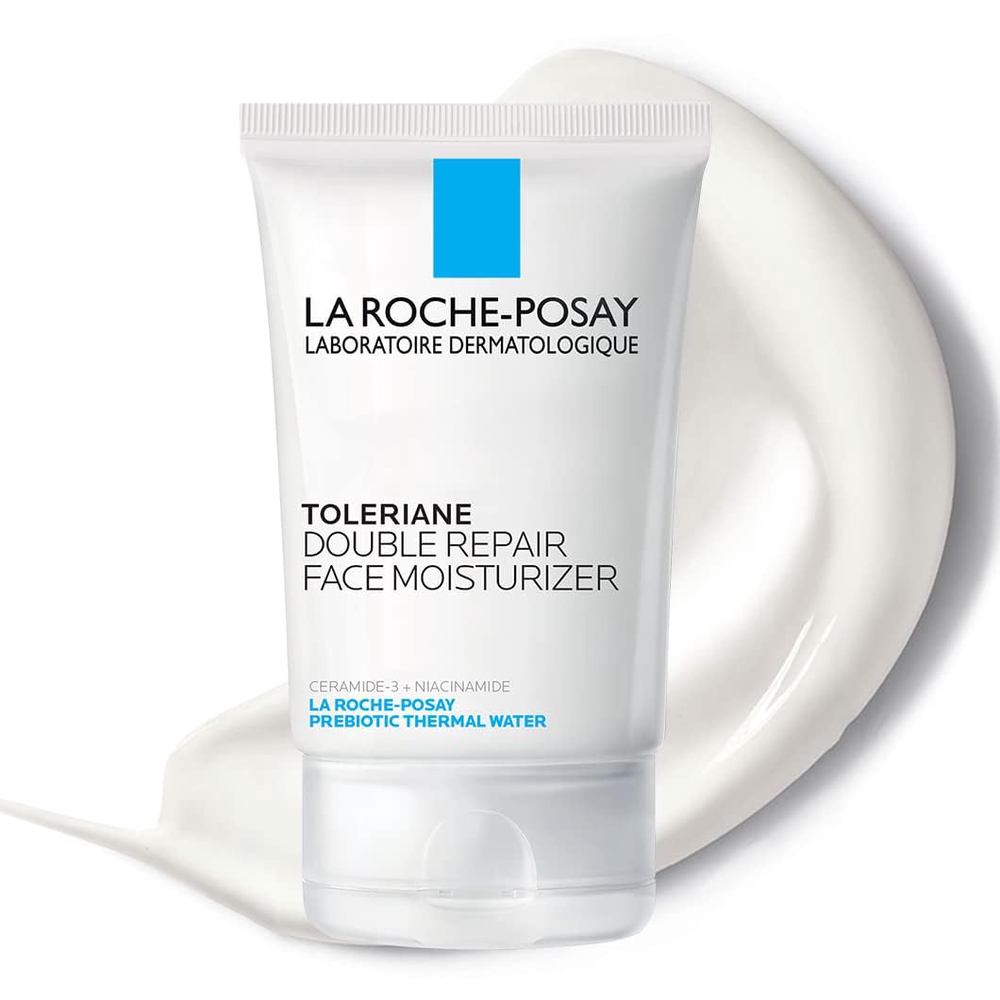
This is a practical, at-home test. Uncomplicated dry skin usually responds well and relatively quickly to consistent, diligent moisturizing. Within a few days of using a gentle, fragrance-free emollient cream or ointment, you should notice significant improvement in softness, flaking, and tightness.
If you’ve been faithfully moisturizing for a week or two with no real change—or if the symptoms seem to worsen—it strongly suggests an underlying condition is driving the problem. Conditions like eczema or psoriasis involve an overactive immune response and altered skin cell turnover; they require targeted treatments (which may include prescription creams) to calm the inflammation, not just hydration to address dryness.
5. Are there triggers beyond weather?
Dry skin is predominantly triggered by external factors: cold weather, low humidity, hot showers, harsh soaps, and certain fabrics. Remove or mitigate these triggers, and your skin often improves.
Skin conditions, however, can have a wider, more complex set of triggers that include:
- Internal Factors: Stress, illness, or hormonal fluctuations can trigger flares of eczema, psoriasis, or rosacea.
- Specific Irritants: Reactions to certain skincare ingredients, fragrances, or laundry detergents are common in contact dermatitis.
- Diet: For some, spicy foods, alcohol, or hot drinks can trigger rosacea flushing.
- Genetic Predisposition: A family history of eczema, asthma, or hay fever (the “atopic triad”) is a strong clue for atopic dermatitis.
If you notice your symptoms flare in connection with stress, a specific food, or a product, you’re likely looking at a skin condition.
Navigating skin concerns can feel overwhelming, but these five checkpoints provide a solid starting point for observation. The most important step, however, is knowing when to seek professional guidance. If your symptoms are severe, widespread, painful, show signs of infection (like yellow crust or pus), or simply do not improve with diligent, gentle skincare after a few weeks, it’s time to consult a dermatologist or your primary care provider.
They can provide a definitive diagnosis and a treatment plan tailored to your skin’s specific needs. Remember, understanding the difference between dry skin and a skin condition isn’t about self-diagnosis—it’s about becoming an informed partner in your own skin health.