If you’ve noticed persistent redness or bumps on your face well past your teenage years, you’re not alone. Many adults find themselves puzzling over skin changes that don’t seem to fit the classic acne they remember. The confusion between adult acne and rosacea is incredibly common—both conditions can share a similar stage, appearing on the cheeks, chin, and forehead, but they play by different rules. Understanding which one you’re dealing with is the first, crucial step toward finding an effective management plan and, just as importantly, some peace of mind.
Let’s walk through the distinguishing features. While they can sometimes overlap, adult acne and rosacea have distinct causes, triggers, and visual clues. Learning to read these signs can help you have a more informed conversation with a dermatologist and choose skincare that truly supports your skin’s needs.
What does adult acne look like?
Adult acne, often called post-adolescent acne, is essentially the same condition that affects teenagers, but it can feel more stubborn and appear in different patterns. It occurs when hair follicles become clogged with a mix of dead skin cells and excess sebum (oil). This environment allows Cutibacterium acnes bacteria to thrive, leading to inflammation.
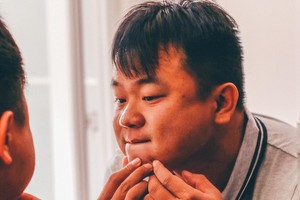
You’ll typically see a mix of non-inflammatory and inflammatory lesions. Non-inflammatory types include blackheads (open comedones) and whiteheads (closed comedones). The inflammatory forms are what cause the most distress: tender red papules (small bumps), pustules (pus-filled bumps), and deeper, painful nodules or cysts. Adult acne frequently concentrates on the lower face—the jawline, chin, and around the mouth—a pattern often linked to hormonal fluctuations. You might also notice clogged pores and lesions on the neck, chest, or back.
A key hallmark of acne is the presence of comedones—blackheads and whiteheads. If you can see these, you’re likely looking at acne, not rosacea.
What are the hallmark signs of rosacea?
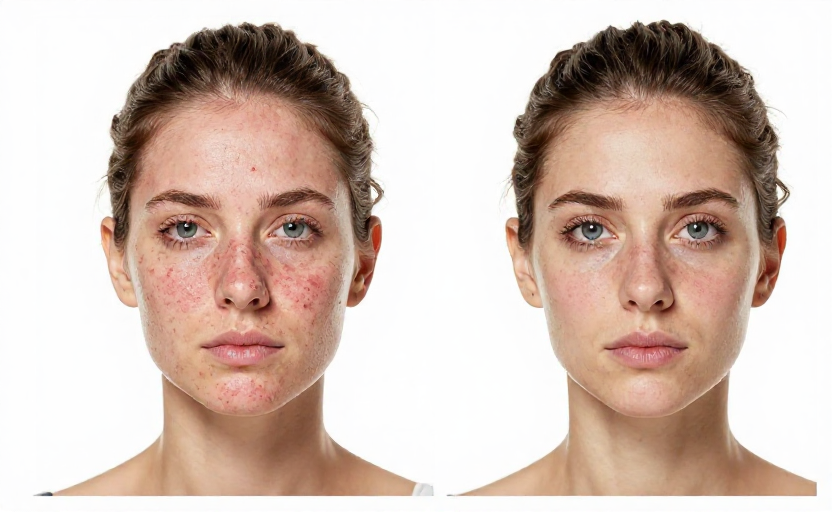
Rosacea is a chronic inflammatory condition primarily affecting the central face—the cheeks, nose, chin, and forehead. Its core feature is persistent redness, or flushing, that comes and goes. Over time, this redness can become permanent. Unlike acne, rosacea isn’t caused by clogged pores in the same way.
There are several subtypes, but the most common one, erythematotelangiectatic rosacea, presents with:
- Persistent central facial redness: A blush or sunburn-like color that doesn’t fully fade.
- Visible blood vessels (telangiectasia): Tiny, spidery red lines on the cheeks and nose.
- Flushing and sensitivity: Skin that stings, burns, or flushes intensely in response to triggers like spicy food, hot drinks, alcohol, temperature changes, or stress.
Another common subtype, papulopustular rosacea, can look remarkably like acne because it features red bumps and pus-filled lesions. This is where the confusion really sets in.
Side-by-side: The key differences to look for
When you put the symptoms side by side, the distinctions become clearer. Focus on these specific clues.
Presence of comedones (blackheads/whiteheads)
This is one of the most reliable differentiators. Acne involves clogged pores, so blackheads and whiteheads are almost always present somewhere. Rosacea does not involve these clogged pores. If you don’t see any comedones, rosacea becomes a stronger possibility.
Type of redness and visible blood vessels
Acne-related redness is usually localized to the area immediately around individual pimples or cysts. With rosacea, the redness is more diffuse, covering broader areas of the cheeks and nose like a persistent blush. The presence of visible, thread-like red blood vessels is a classic sign of rosacea and not typically seen with acne alone.
Sensations and triggers
How does your skin feel? Acne lesions can be tender or painful to the touch. Rosacea skin, however, often reports sensations of stinging, burning, or general sensitivity, even when no visible bumps are present. Pay attention to what provokes a flare. Acne can be worsened by hormonal shifts, certain cosmetics, or sweat. Rosacea has a very specific set of common triggers: heat, sunlight, spicy foods, alcohol (especially red wine), hot beverages, and emotional stress.
Can you have both conditions at the same time?
Absolutely. This overlap, sometimes called “acne rosacea,” is challenging but not uncommon. You might have the background redness and flushing of rosacea along with the blackheads and cystic bumps of acne. When both are present, it’s essential to address each condition with appropriate strategies, as treatments that help one can sometimes aggravate the other. A dermatologist is invaluable for navigating this complex combination.
Why getting the right diagnosis matters
Misidentifying rosacea as acne can lead to frustration and worsening symptoms. Many common over-the-counter acne treatments contain ingredients like benzoyl peroxide, salicylic acid, or physical scrubs. While these can be great for acne, they are often far too harsh and drying for rosacea-prone skin, potentially damaging the skin barrier and intensifying redness and irritation.
Conversely, treatments designed for rosacea focus on reducing inflammation and sensitivity, not necessarily clearing clogged pores. A proper diagnosis steers you toward a gentle, effective routine that calms rather than assaults your skin.
If your “acne” treatments are making your skin redder, more sensitive, and not improving the bumps, it’s time to consider rosacea.
Your first steps toward clarity
Before you make any drastic changes to your routine, start with observation. Keep a simple log for a week or two. Note when flare-ups happen, what you ate or drank beforehand, what products you used, and how your skin felt. This can reveal powerful patterns.
Then, adopt a gentle, diagnostic skincare approach. Switch to a minimalist routine:
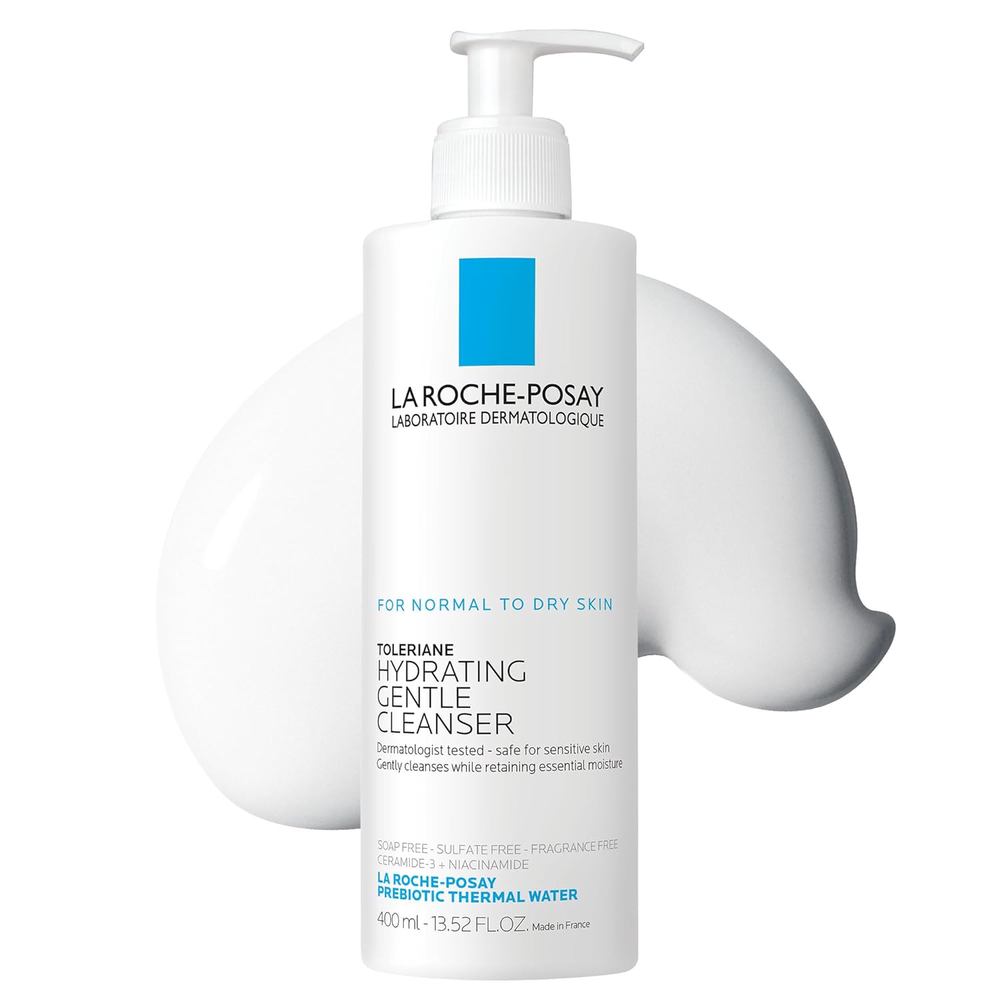
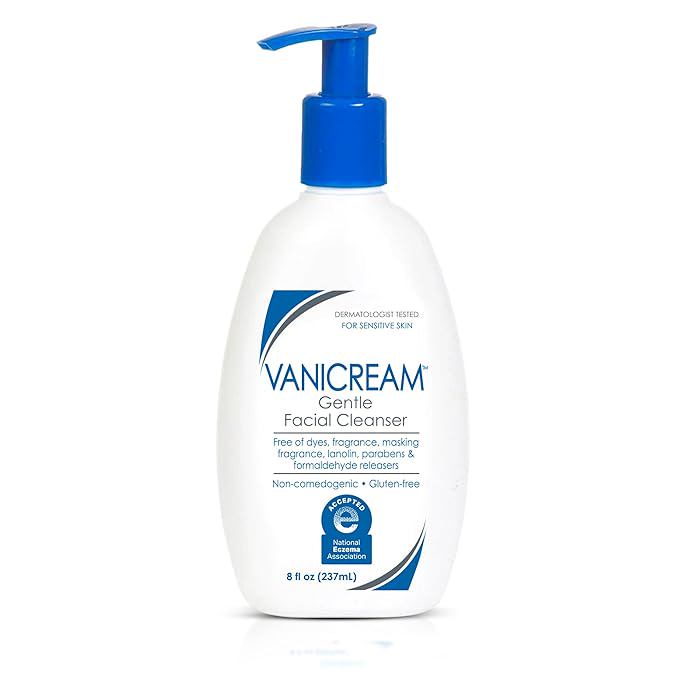
- Cleanser: A mild, non-foaming, fragrance-free formula.
- Moisturizer: A simple cream or gel to support your skin barrier.
- Sunscreen: A mineral-based (zinc oxide/titanium dioxide) SPF 30+ is essential, as sun exposure aggravates both conditions but is a prime rosacea trigger.
Pause use of active ingredients like retinoids, strong acids, and abrasive scrubs for a brief period. See if reducing potential irritation allows your skin’s true pattern to emerge.
Ultimately, a consultation with a board-certified dermatologist provides definitive answers. They can examine your skin, ask targeted questions, and recommend a treatment path—which may include prescription topicals, oral medications, or laser therapies—tailored to your specific diagnosis.
Recognizing the difference between adult acne and rosacea empowers you to care for your skin with knowledge and compassion. It moves you from guessing to understanding, setting the foundation for a routine that brings calm and clarity to your complexion.