Intermittent fasting has become a popular approach for weight management and metabolic health, but it raises an important question for anyone concerned about maintaining strength and lean mass: Could this eating pattern be costing you muscle? While intermittent fasting can be a perfectly healthy way to eat for many people, it isn't automatically muscle-sparing. If you are losing weight on an intermittent fasting schedule, some of that weight can come from muscle tissue unless you take specific precautions.
Your body doesn't distinguish between fat and muscle when it needs energy — it pulls from whatever is available. Recognizing the early signs of muscle breakdown can help you adjust your routine before you lose significant strength or alter your metabolism in unwanted ways. Here are three concrete warning signs that your intermittent fasting routine may be leading to muscle loss.
1. Your Strength Is Dropping Even Though You're Losing Weight
A steady decline in how much weight you can lift, how many push-ups you can complete, or how easily you handle everyday tasks like carrying groceries can be an early red flag. When you're in a calorie deficit from fasting, your body may begin to break down muscle protein for fuel, especially if you aren't consuming enough protein during your eating window.
This isn't just about gym performance — losing strength affects your functional fitness and can slow your metabolism over time. If your weights feel heavier or you're struggling to complete reps you used to breeze through, it's worth examining whether your fasting schedule leaves too few hours for adequate protein intake. Muscle preservation relies on consistent protein distribution throughout the day, and severely restricting your eating window can make that difficult.
2. You Feel Chronically Fatigued and Your Recovery Takes Longer
Muscle tissue plays a central role in metabolic function and energy production. When you start losing muscle, your body has less of the lean tissue that helps you recover from workouts and daily activity. If you notice that your muscles feel sore for days after a workout that used to cause only mild discomfort, or if you wake up tired despite sleeping enough hours, muscle loss could be a contributing factor.
This fatigue is different from the temporary energy dip some people experience while adapting to fasting. The kind we're talking about here persists even after you've adjusted to your eating schedule. Adequate protein, calories, and nutrient timing are essential for muscle repair, and intermittent fasting can make it harder to meet those needs if you aren't planning your meals carefully.
3. Your Body Measurements Change in Ways That Don't Match Fat Loss
Losing weight is the goal for many people practicing intermittent fasting, but the composition of that weight matters. If you're losing inches around your arms, chest, or upper legs faster than you're losing around your waist, that can be a sign that your body is breaking down muscle tissue for energy instead of relying primarily on fat stores.
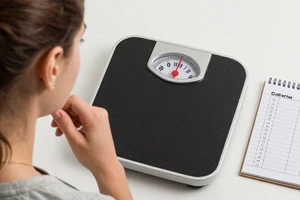
Another subtle sign is that your clothes fit differently in unexpected ways — a looser fit in the upper body or thighs while your midsection remains relatively unchanged. This kind of disproportionate loss can indicate that your body is catabolizing muscle. Tracking your strength levels and how your body feels, rather than relying solely on the scale, will give you a much clearer picture of whether your weight loss is coming from fat or from muscle.
How to Protect Your Muscles While Intermittent Fasting
Recognizing these warning signs is only the first step. If any of them sound familiar, consider adjusting your approach before making drastic changes to your routine. Simple modifications can help preserve muscle without abandoning the fasting framework that works for you.
Prioritize Protein Within Your Eating Window
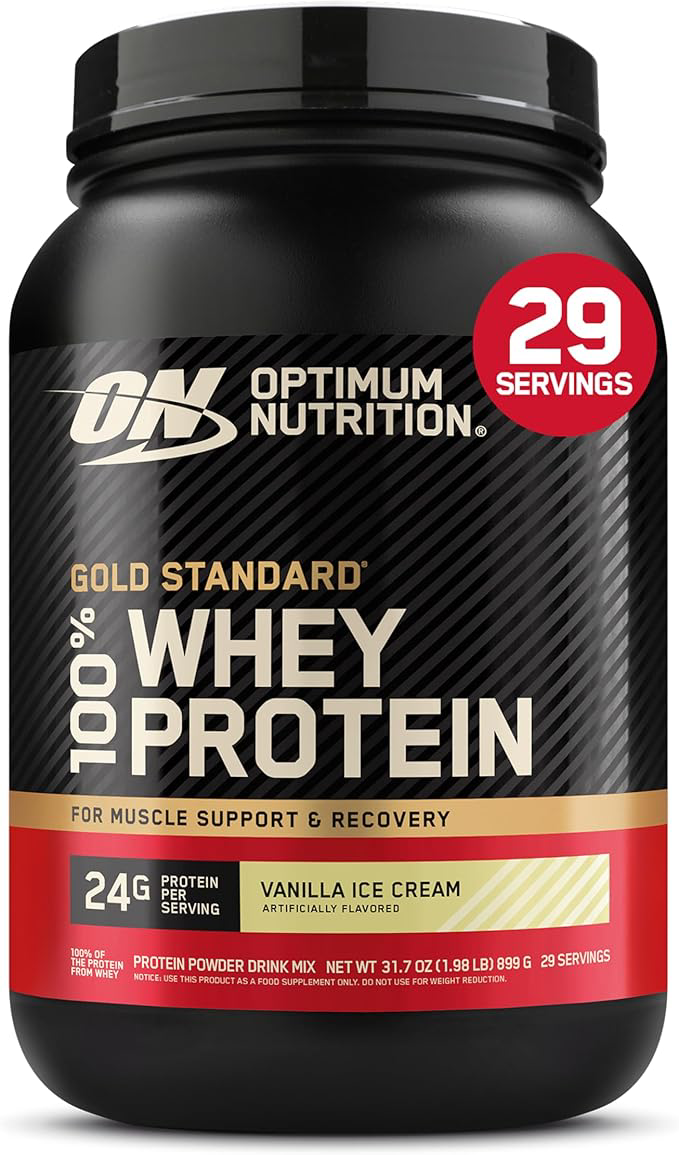
Your daily protein needs may actually increase while fasting, because your body has a shorter period to absorb the amino acids required for muscle repair. Aim to include a source of lean protein at every meal — eggs, poultry, fish, tofu, legumes, or dairy — and consider spacing your protein intake across two or three meals rather than trying to get it all in one sitting.
Keep Resistance Training in Your Routine
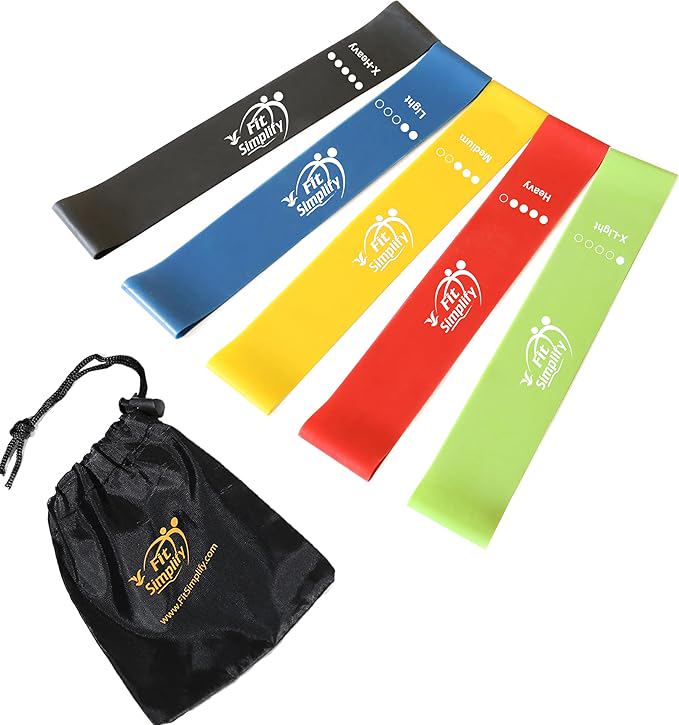
Strength training is one of the most powerful signals you can send to your body to preserve muscle. Bodyweight exercises like squats, push-ups, and lunges work well, but lifting weights — even moderate weights — tells your body that muscle is still necessary. If you're fasting, performing your resistance workout near the start of your eating window may help your body use the incoming nutrients for repair rather than breaking down stored muscle.
Don't Cut Calories Too Deeply
The caloric deficit created by intermittent fasting should be modest. Extremely low calorie intake increases the likelihood of muscle breakdown because your body has fewer resources to draw from. If you're losing more than one to two pounds per week consistently, your rate of loss may be too aggressive for muscle preservation.
Listen to your body closely. A mild energy dip during fasting hours is normal, but persistent weakness, prolonged soreness, and disproportionate changes in measurements warrant attention. These are not signs of failure — they are signals that your current approach may need fine-tuning.
Intermittent fasting can be a sustainable lifestyle tool for many people, but muscle preservation requires intentional effort. By staying alert to these warning signs and adjusting your nutrition and exercise habits accordingly, you can pursue your health goals without sacrificing the lean tissue that keeps you strong, functional, and metabolically healthy.