For decades, the connection between what we eat and the state of our skin has been a source of intense debate, often shrouded in folklore and conflicting advice. The idea that chocolate or greasy pizza directly causes a breakout is a deeply ingrained cultural belief, yet many dermatologists have historically downplayed the link. Today, the conversation is shifting. Emerging research suggests diet does play a role in skin health for many people, but not in the simplistic ways we once thought.
The relationship is more about internal biochemistry than surface-level grease. It involves how certain foods influence hormones, inflammation, and the skin's own oil production. Understanding this can move us from blanket food bans to a more nuanced, personalized approach to supporting clear skin through nutrition.
The Science Behind Food and Breakouts
To see how diet influences acne, we need to look at the primary drivers of breakouts: excess sebum (oil) production, clogged pores, bacteria (Cutibacterium acnes), and inflammation. Several dietary factors can exacerbate these conditions by affecting insulin and other hormone levels.
When we eat foods that cause a rapid spike in blood sugar, our bodies release insulin to manage it. High insulin levels can trigger a cascade of effects, including increasing the production of androgens (hormones) and a molecule called IGF-1. Both of these stimulate oil glands and skin cell growth, creating an environment ripe for clogged pores and bacterial overgrowth. This process is often at the heart of the diet-acne connection.
The link isn't about grease on your fingers touching your face; it's about how food influences the hormones that govern your skin's oil production.
Common Acne Myths About Food
Let's clear up some persistent misconceptions. The myth that greasy foods like fries and burgers directly cause acne likely stems from confusing correlation with causation. People with oily skin might be drawn to blotters or powders, and the word "oily" gets attached to both skin and food. There's no evidence that the fat from your pizza travels to your pores.
Similarly, chocolate has long been a scapegoat. Early studies that linked chocolate to breakouts often used candy bars high in both sugar and dairy—two potential culprits. More recent, better-controlled studies suggest it may not be the cocoa itself, but the other ingredients commonly paired with it that could be problematic for some individuals.
Dietary Factors with More Substantial Links
While the old myths fade, several dietary patterns have shown a more consistent connection to acne in research.
High-Glycemic Foods
This is one of the most well-researched areas. High-glycemic foods—like white bread, sugary cereals, pastries, and soda—break down quickly into sugar, spiking insulin. Studies have observed that populations consuming traditional, low-glycemic diets tend to have lower rates of acne. For some people, reducing these foods and opting for more whole grains, legumes, and vegetables can lead to noticeable skin improvements.
Dairy Products
The data on dairy is compelling, though not yet conclusive for everyone. Milk, particularly skim milk, has been associated with increased acne prevalence and severity. The theory is that milk contains growth hormones and bioactive molecules that may interact with our own human hormones, potentially influencing oil glands. It's important to note this doesn't mean everyone must avoid dairy; it means if you're struggling with persistent acne, it might be a meaningful factor to explore with observation.
Whey Protein and Other Supplements
A surprise to many in the fitness world, whey protein powder is a common trigger. Whey is a dairy-derived protein that can significantly boost insulin and IGF-1 levels, mimicking the effect of high-glycemic foods. Bodybuilders and athletes who develop sudden, often cystic acne sometimes trace it back to starting a whey supplement regimen.
What an Acne-Friendly Diet Might Look Like
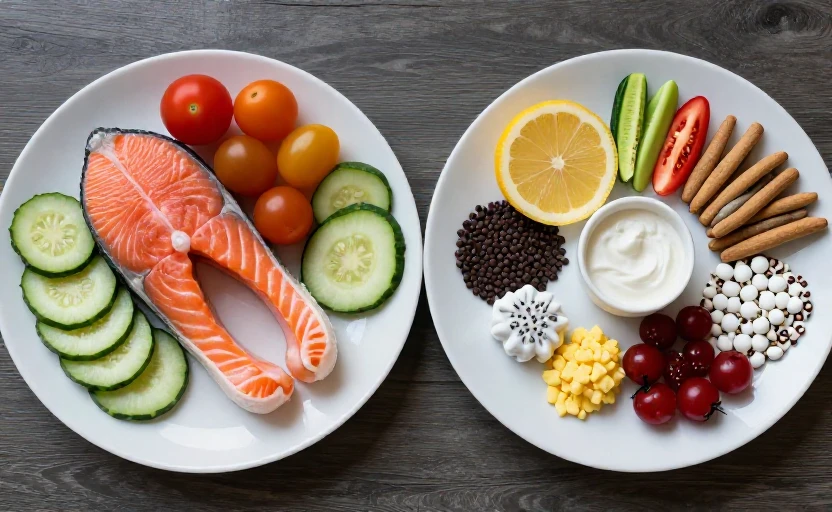
Focusing on what to include is more empowering than just listing restrictions. An anti-inflammatory, skin-supportive diet emphasizes foods that help stabilize blood sugar and reduce systemic inflammation.
Think about building meals around:
- Colorful vegetables and fruits: Rich in antioxidants and fiber, which can help combat inflammation and slow sugar absorption.
- Healthy fats: Found in foods like avocados, olive oil, nuts, and fatty fish (salmon, mackerel). These fats are building blocks for healthy cell membranes and have anti-inflammatory properties.
- Lean proteins: Such as chicken, fish, tofu, and legumes. Protein helps with satiety and blood sugar balance.
- Low-glycemic carbohydrates: Like sweet potatoes, quinoa, oats, and most beans.
Staying well-hydrated with water is also fundamental, as it supports all cellular functions, including skin cell turnover and detoxification pathways.
How to Discover Your Personal Triggers
There is no universal "acne diet." Spicy food might be fine for one person but a trigger for another. The key is mindful observation. Consider keeping a simple food and symptom journal for a few weeks. Note what you eat and any skin changes, looking for patterns that appear 24 to 48 hours later.
If you suspect a category like dairy or high-sugar foods, you could try a careful elimination: remove that one food group completely for 3-4 weeks while keeping everything else consistent. Observe your skin, then reintroduce the food and note any reaction. This process can reveal personal sensitivities.
Always approach dietary changes as an experiment for your own awareness, not a prescribed cure. Patience is essential, as skin cycles take time.
Working with Your Dermatologist
Diet is a supportive piece of the puzzle, not a replacement for professional care. If you have moderate to severe acne, a board-certified dermatologist is your best partner. You can bring your dietary observations to the conversation. They can help you interpret patterns within the context of your overall skin type, hormone levels, and lifestyle, and integrate this with effective topical, oral, or procedural treatments.
The goal is a holistic strategy. Effective skincare, stress management, quality sleep, and thoughtful nutrition work together. By separating the myths from the facts, you can move away from fear-based eating and toward using diet as one of many thoughtful tools to support your skin's health from the inside out.