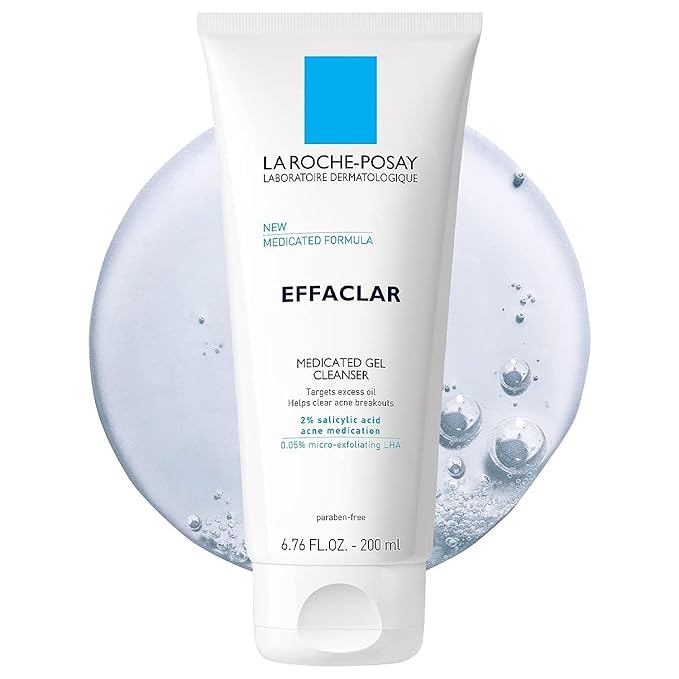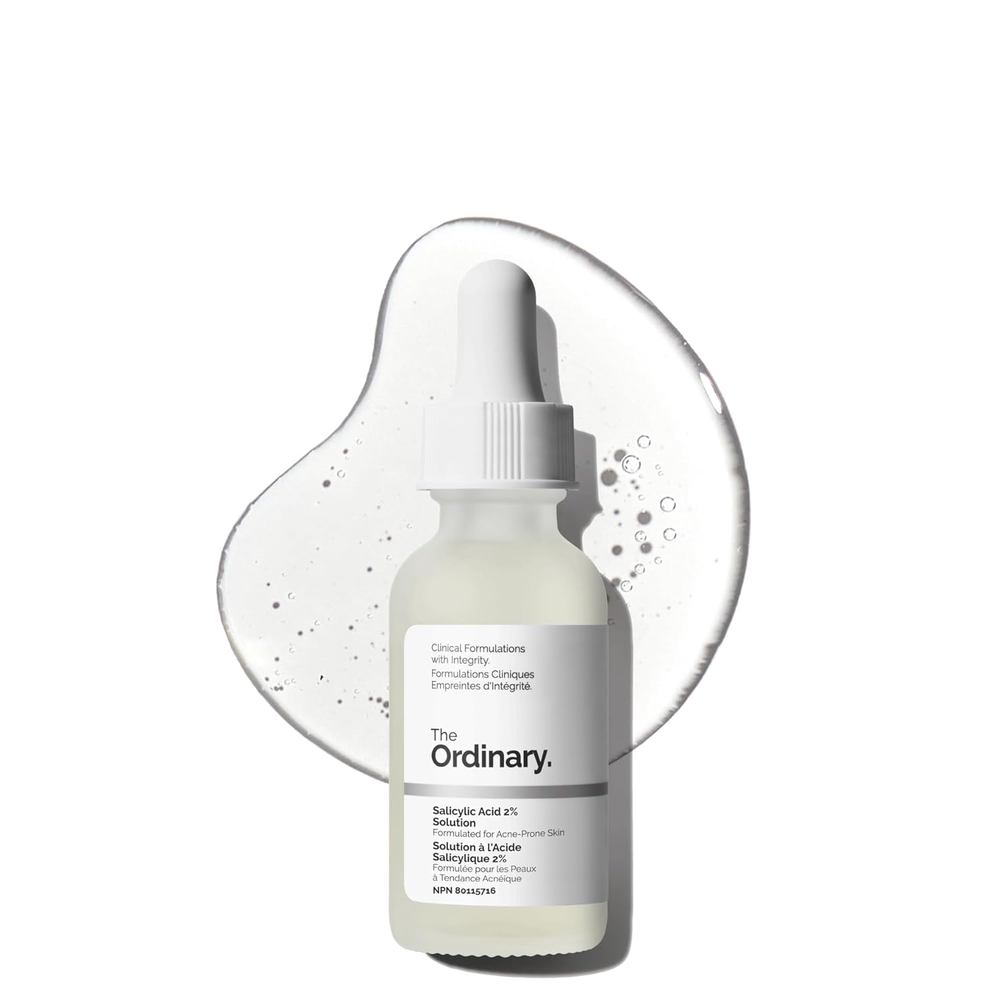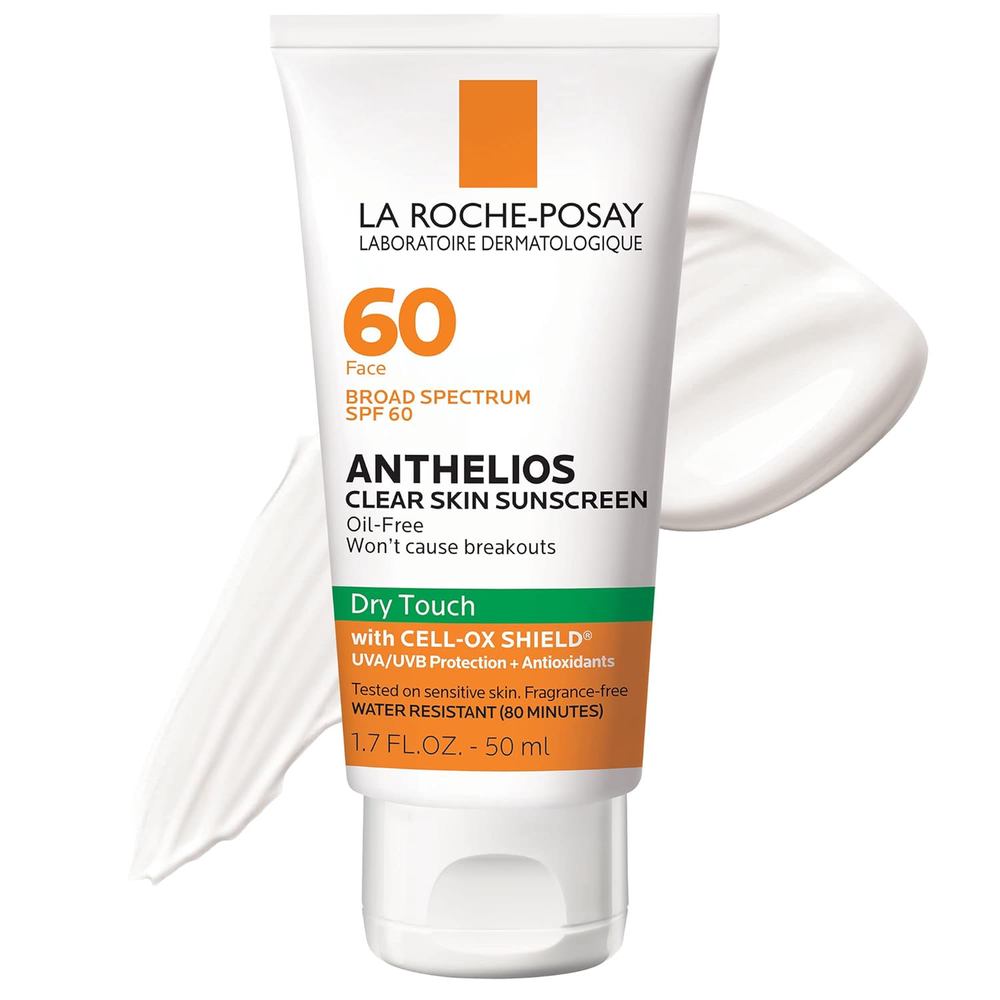

Blackheads can be stubborn, but the impulse to squeeze or scrub them aggressively is one you want to resist. Unlike the red, inflamed kind of acne, blackheads are open comedones — pores that have become clogged with a mix of oil and dead skin cells. The dark color isn't dirt; it's the oxidation of that material when it hits the air. The goal is to clear them gently, without damaging the skin barrier or inviting infection.
For anyone with acne-prone skin, the line between effective treatment and irritation is thin. Below, we walk through what actually works, what to skip, and how to build a routine that prevents new blackheads from forming.
What causes blackheads in the first place?
Your pores naturally contain oil (sebum) and shed skin cells. In acne-prone skin, this process goes off track. The cells don't separate the way they should, and oil production is higher. Together, they form a plug. When the pore stays open, the top oxidizes and turns dark — that's your blackhead.
Hormones, some skincare ingredients, and even genetics play a role. Stepping up your game with better cleansing won't fix the underlying retention of skin cells, but it can help keep the surface clear.
The ingredients that actually dissolve blackheads
Most effective blackhead treatments rely on exfoliation that reaches inside the pore. The gold-standard ingredient here is salicylic acid (a beta hydroxy acid or BHA). It is oil-soluble, meaning it can penetrate the sebum that clogs the pore. Regular, gentle use helps keep the lining of the follicle clear so plugs don't form.
Other helpful options include:
- Azelaic acid — Helps normalize skin cell turnover and has mild anti-inflammatory properties.
- Retinoids (adapalene or retinol) — Increase cell turnover, which prevents the buildup inside pores. Adapalene 0.1% gel is available over the counter and is well-studied for comedonal acne.
- Niacinamide — Supports the skin barrier while helping regulate oil production over time.
Start with one active ingredient at a time to see how your skin responds. Layering too many exfoliants can lead to redness, peeling, or extra breakouts.
A common mistake is using a salicylic acid cleanser in the morning and then a leave-on salicylic acid serum at night — that can easily over-strip your skin. Choose one format and stick with it for at least four to six weeks before judging results.
Manual extraction: when it helps and when it hurts
There's a reason dermatologists warn against at-home extraction. Squeezing with fingers pushes debris deeper into the pore and can rupture the wall, turning a simple blackhead into a swollen, red pimple. Professional extractions performed with a sterile tool under magnification are a different story. If you have many stubborn blackheads, a licensed esthetician or dermatologist can safely clear them in a session.
If you do need to remove a blackhead yourself (say, one that is very superficial and ready to come out), use a sterile comedone extractor. Gently press down around the lesion — never dig in. Stop if you meet resistance. Afterward, apply a soothing toner with ingredients like green tea or centella asiatica.
Build a maintenance routine that stops new blackheads
Prevention is where most people see the biggest change. A consistent, gentle routine that supports skin cell turnover and oil regulation will gradually reduce the number of blackheads you get.
Morning
- Rinse with lukewarm water or a gentle non-foaming cleanser if your skin feels oily.
- Apply a lightweight moisturizer with niacinamide or ceramides.
- Finish with a non-comedogenic sunscreen (SPF 30 or higher). Sun damage thickens the outer layer of skin, making blackheads worse.
Evening
- Double cleanse if you wear sunscreen or makeup: start with an oil-based cleanser, then follow with a gentle water-based cleanser.
- On nights you are not using a leave-on exfoliant, apply a moisturizing product that helps repair the barrier.
- Two to three times per week, use a leave-on salicylic acid treatment or adapalene. Do not use both on the same night.
Consistency beats intensity. Using a gentle BHA twice a week for six months will do far more than harsh scrubbing for a week followed by irritated, flaky skin.
What to avoid when your skin is prone to blackheads
Some popular trends actively make blackheads worse. Here is what to skip:
- Pore strips and charcoal masks — They pull out the top of the plug but leave the deeper part of the follicle stretched or damaged. They can also strip the skin's natural protective oils.
- Physical scrubs with large particles — Walnut shell powders, apricot scrubs, and sugar scrubs create micro-tears in the skin that increase inflammation and can lead to more clogged pores.
- Heavy oil-based or waxy moisturizers — Look for labels that say oil-free, non-comedogenic, or gel-based. Products containing coconut oil or cocoa butter are common culprits for acne-prone skin.
- Over-cleansing — Washing your face more than twice a day, or using very hot water, strips the barrier. This can trigger rebound oil production, creating more blackheads.
When to see a professional about blackheads
If over-the-counter options have not made a difference after three months, consider seeing a board-certified dermatologist. Prescription-strength retinoids like tretinoin, chemical peels, or even extraction treatments can address blackheads that are deep or extensive. For some people, stubborn comedonal acne on the forehead or chin may benefit from a medication like spironolactone (for women) or a course of antibiotics if inflammation is present.
Blackheads are not a sign of poor hygiene, and they do not clear overnight. A calm, consistent strategy — focusing on chemical exfoliation and barrier support — is the safest path to smoother skin.