
You’ve seen those glossy magazine spreads: a teenager staring into a bathroom mirror, one dramatic red bump on her chin. But if you’re in your twenties, thirties, or even forties and waking up to breakouts, the storyline can feel mismatched. The question isn’t just “Why me?” — it’s “Is this adult acne or teen acne?” Because while both involve clogged pores and inflammation, the underlying triggers, breakout patterns, and best ways to manage them can be distinctly different.
In my years editing health and wellness content, I’ve learned that the first step to clearing your skin is understanding what kind of acne you’re actually dealing with. Guessing wrong means you might spend months using teen-targeted treatments that leave your adult skin irritated, dry, or still breaking out. So let’s get specific.
Where breakouts appear: the geography test
One of the most reliable clues is location. Teen acne tends to be democratic — it pops up across the T-zone (forehead, nose, and chin) as well as the cheeks. The reason: adolescent skin typically produces more sebum across the entire face due to hormonal surges during puberty. This creates the classic combination of blackheads, whiteheads, and inflamed pustules spread across a wide area.
Adult acne, on the other hand, is far more strategic. It often settles along the jawline, chin, and lower cheeks — the so-called “U-zone” or “beard area.” This pattern is strongly linked to hormonal fluctuations (think menstrual cycles, pregnancy, perimenopause) because the oil glands in these lower-face regions are more sensitive to androgens. If you’re seeing the same deep, tender bumps appear cyclically around your jawline every month, adult hormonal acne is the likely culprit.
A quick visual: Teen acne = forehead, nose, cheeks. Adult acne = jawline, chin, lower cheeks.
Type of breakout: inflammation vs. congestion
Teen breakouts aren’t always angry. Many are comedonal — meaning a lot of blackheads and whiteheads, with occasional inflamed papules. The pores are simply overcrowded with excess oil and dead skin cells. Because teen skin is generally more resilient and thicker, these breakouts can respond faster to classic over-the-counter ingredients like benzoyl peroxide and salicylic acid.
Adult acne has a different texture. It tends to be “inflammatory” — think deep, red, tender nodules that sometimes never come to a head. These are often listed as papules or pustules and can linger for weeks. The skin around them may feel irritated, dry, or sensitive, especially if you’ve already tried teen-style harsh scrubs or astringents. The lesions themselves are fewer in number but more painful, and they heal slowly, often leaving behind dark marks (post-inflammatory hyperpigmentation) that can last months.
What’s really driving the breakouts?
The root causes aren’t the same. In teen skin, the dominant driver is oil production. During puberty, the body cranks up sebum output, and that oil combines with dead skin cells to form plugs in the pores. It’s a straightforward surplus problem.
In adult acne, hormones still play a role — but so do stress, medications, and lifestyle. Cortisol (the stress hormone) can send oil production into overdrive, and many women find that birth control pills, hormonal IUDs, or steroidal anti-inflammatories can trigger breakouts. Skincare and makeup can also be implicated: rich creams, silicones, and heavy occlusives that worked fine in your twenties can start to clog pores in your thirties as your skin’s cell turnover slows. Finally, adult acne is more likely linked to underlying conditions like polycystic ovary syndrome (PCOS), which is worth discussing with a dermatologist if you have irregular periods or extra facial hair.
How skin behaves: sensitivity and healing
Your skin changes as you age. The teen epidermis is relatively tough; it can bounce back from aggressive spot treatments. Adult skin is thinner, more prone to dehydration, and slower to heal. Using a teen-strength 10% benzoyl peroxide wash on adult acne often backfires — it strips the lipid barrier, leaving skin red, flaky, and paradoxically primed for more breakouts as it tries to compensate with more oil.
Adult breakouts also leave longer-lasting marks. The deep inflammation triggers melanocyte activity, so instead of a surface blemish that fades in a week, you get a brown or purple mark that can stick around for months. Treatment plans for adult acne almost always emphasize barrier repair alongside active ingredients.
What actually works: a side-by-side look
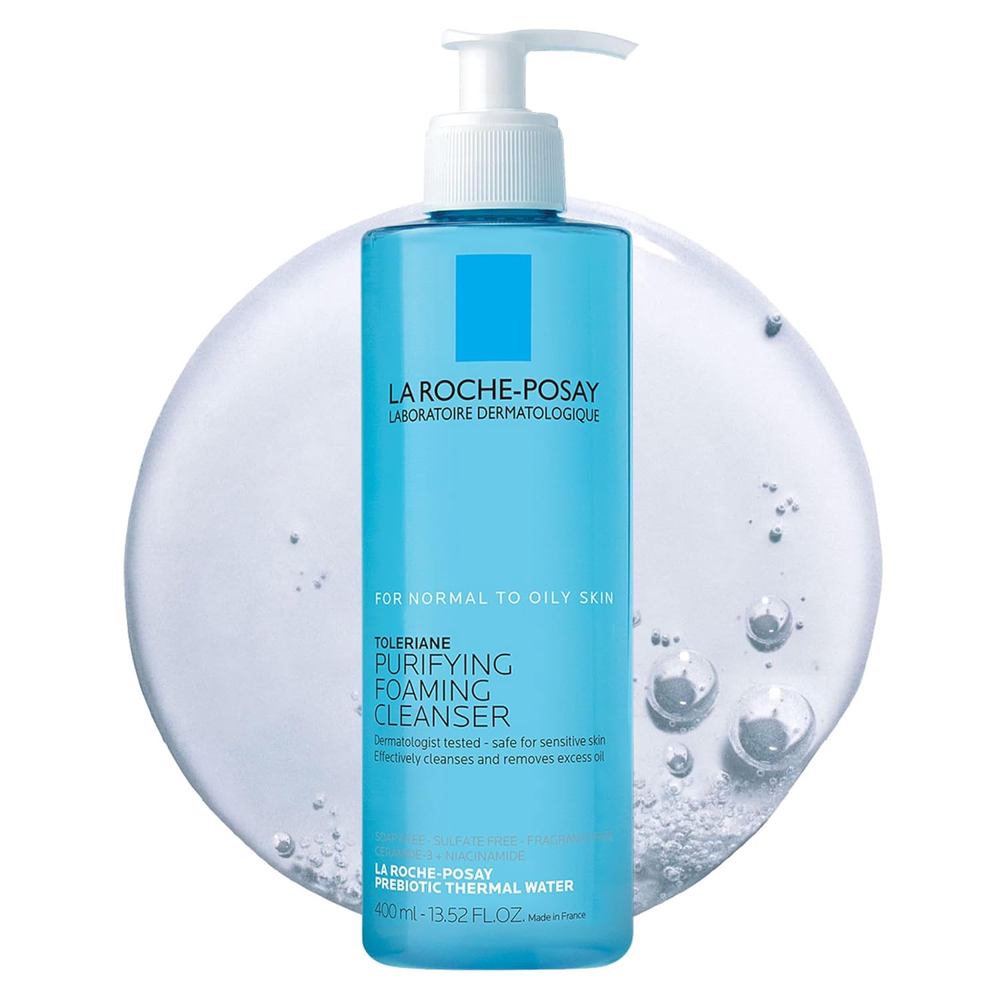
- Teen acne friendly: Foaming salicylic acid cleansers, benzoyl peroxide gels, clay masks, and lightweight gel moisturizers. Goals: dry out excess oil, exfoliate fast, kill bacteria.
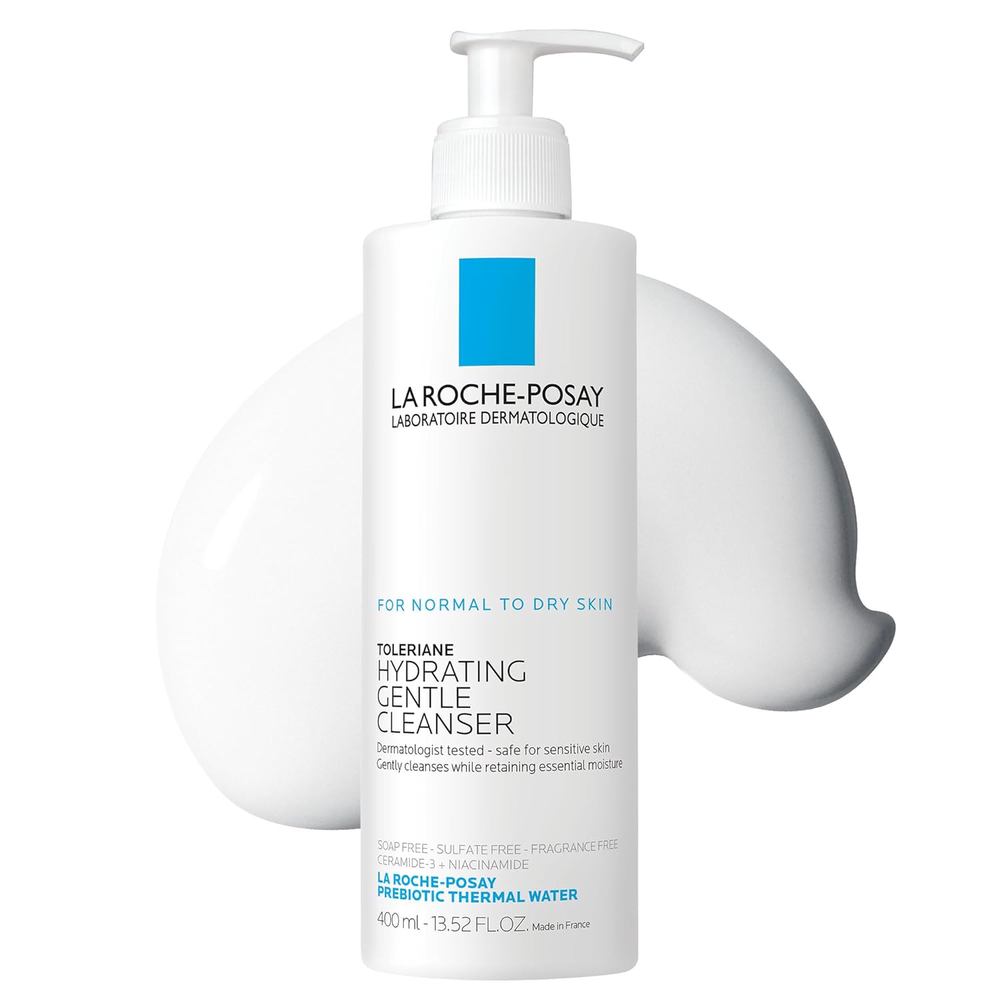
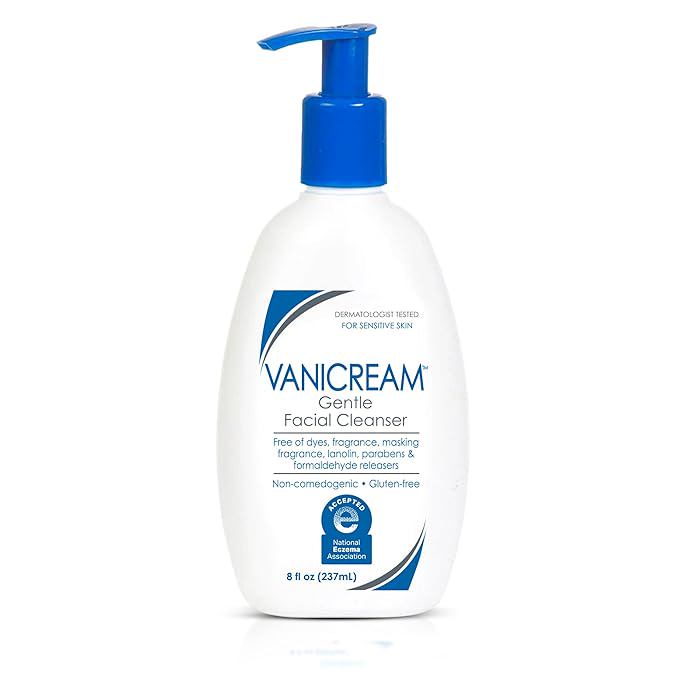
- Adult acne friendly: Mild cream cleansers, low-concentration benzoyl peroxide (2.5% is enough), niacinamide, azelaic acid, and non-comedogenic moisturizers plus a rich nighttime barrier cream. Goals: reduce inflammation, protect barrier, fade marks, regulate oil without stripping.
Retinoids work for both but must be introduced gently in adult skin. A dermatologist might recommend adapalene 0.1% for teens and a lower-frequency tretinoin or retinol for adults, always with a sandwich method of moisturizer before and after.
When it’s time to see a professional
If you’re unsure after a few weeks of self-assessment, a dermatologist can help. They can also run a simple blood panel to rule out hormonal imbalances. That said, a practical at-home rule: if your breakouts are deep, painful, and focused on the lower third of your face — and you’ve passed age 25 — it is very likely adult hormonal acne, not a second wave of teen acne. Treat it accordingly.
Remember: this is not a contest of suffering. Both types can be frustrating, but they respond best to different strategies. The right diagnosis — teen vs. adult — is half the battle.