Cooking vegetarian dinners during the week doesn’t have to mean splurging on pricey specialty items. With a few smart substitutions, you can keep the flavors bold, the prep time short, and the grocery bill reasonable. The key is knowing which ingredients pull double duty and when a simple swap won’t compromise the dish.
Below are practical, kitchen-tested ways to replace costly ingredients in vegetarian weeknight meals without sacrificing taste or texture. These ideas work for soups, grain bowls, pastas, stir-fries, and more.
Swap pine nuts for toasted sunflower seeds or walnuts
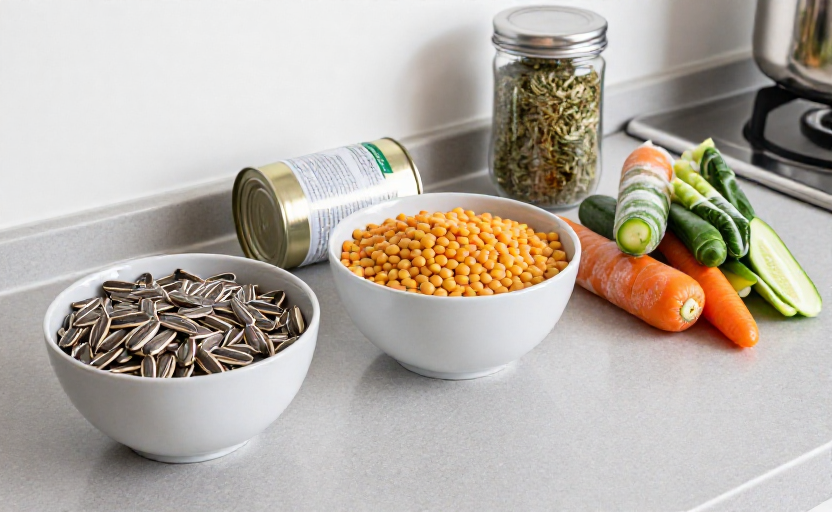
Pine nuts are notorious for their high price tag, especially when used in pesto or sprinkled over roasted vegetables. A direct swap that keeps the same nutty richness is sunflower seeds. Toast them in a dry pan for a few minutes until golden and fragrant, then use them exactly as you would pine nuts. Walnuts are another good stand-in, though they bring a slightly bolder, earthier flavor. For pesto, walnuts actually add a nice depth that pairs well with basil and garlic.
Use canned lentils or chickpeas instead of fresh exotic mushrooms
Recipes that call for fresh shiitake, chanterelle, or oyster mushrooms can quickly become expensive. Canned lentils or chickpeas offer a similar umami earthiness and a hearty texture that holds up in stews, tacos, and skillet dinners. Drain and rinse them well, then sauté with garlic, onion, and a splash of soy sauce or tamari to boost the savory notes. If you do want mushrooms on a budget, stick with cremini or white button mushrooms, which are far more affordable and still deliver good flavor.
Replace fresh herbs with frozen or dried versions
Fresh herbs like basil, cilantro, and mint add brightness but often come in large bunches that wilt before you can use them. Frozen herbs (sold in cubes or bags) are a perfect substitute for cooked dishes—just toss them directly into the pan. Dried herbs also work well, though you will need to adjust the quantity. A good rule: use one-third the amount of dried herb compared to fresh. For example, 1 tablespoon of fresh oregano equals about 1 teaspoon dried. This swap saves money and reduces food waste at the same time.
Opt for frozen vegetables over fresh out-of-season produce
When a recipe calls for asparagus, artichokes, or bell peppers in the middle of winter, fresh versions can be shockingly expensive. Frozen vegetables are frozen at peak ripeness, so they often contain more nutrients than fresh ones that have traveled long distances. They work especially well in stir-fries, soups, curries, and casseroles. No need to thaw before cooking—just toss them straight into the pan and adjust cooking time slightly.
Substitute cashews with raw sunflower seeds for creamy sauces
Soaked cashews are a go-to for creamy vegan sauces, dressings, and soups, but they are not cheap. Raw sunflower seeds make an excellent replacement with a similar creamy texture once blended. Soak them in hot water for 15 minutes, then drain and blend with water, lemon juice, garlic, and salt. The result is a smooth, neutral-tasting base that works for Alfredo-style sauces, creamy dressings, and even vegan sour cream. The flavor difference is minimal, especially when adding herbs or spices.
Swap expensive cheeses for more common varieties
Goat cheese, manchego, and imported Parmesan can inflate a grocery bill quickly. For most weeknight recipes, domestically produced feta, cheddar, or a simple pecorino Romano will work just as well. If a recipe specifically calls for a mild, creamy cheese, try cottage cheese blended until smooth—it provides a similar texture with far less cost. Nutritional yeast is another affordable option for adding a cheesy, savory flavor to pasta, popcorn, and roasted vegetables without any dairy.
Replace balsamic vinegar with red wine vinegar plus a touch of maple syrup
Aged balsamic vinegar can be pricey, especially the thick, syrupy kind used for drizzling. For a quick substitute that mimics both the acidity and sweetness, mix red wine vinegar with a small amount of pure maple syrup or honey. Start with 2 tablespoons of vinegar to 1 teaspoon of sweetener, then adjust to taste. This works beautifully in salad dressings, marinades, and reductions. It won’t have the exact same complexity as a 12-year-aged balsamic, but it will be perfectly satisfying for a Tuesday night dinner.
These swaps are designed to help you cook confidently without feeling limited by expensive ingredient lists. With a little experimentation, you’ll find that many of these substitutions become your new go-to choices—not just for saving money, but because they taste great and simplify your shopping.