
Pregnancy changes your body in ways that can feel both miraculous and overwhelming. Weight gain is a natural part of that transformation, providing essential energy for your growing baby, supporting placental development, and preparing your body for breastfeeding. But navigating the numbers on the scale can also stir up anxiety, especially if you have a history of disordered eating or body image concerns.
The goal of monitoring weight gain during pregnancy isn't strict control or rigid tracking—it's about staying within a healthy range that supports both you and your baby. Here's a sensible, evidence-based approach to understanding what the numbers mean, how to step on the scale without stress, and when to let your provider take the lead.
What does 'healthy pregnancy weight gain' actually look like?
There is no universal number that fits every person. Your healthy target depends primarily on your body mass index (BMI) before pregnancy. The Institute of Medicine (IOM) provides general guidelines based on pre-pregnancy BMI, and your doctor can help you adjust these if you're carrying multiples or have underlying health conditions.
- Underweight (BMI less than 18.5): 28–40 pounds total gain
- Normal weight (BMI 18.5–24.9): 25–35 pounds total gain
- Overweight (BMI 25–29.9): 15–25 pounds total gain
- Obese (BMI 30 or greater): 11–20 pounds total gain
These ranges reflect what research suggests is safest for minimizing risks like gestational diabetes, preeclampsia, preterm birth, and cesarean delivery. The pattern of gain matters too: most people gain very little (1–4 pounds) in the first trimester, then about a pound per week during the second and third trimesters.
How to weigh yourself without turning it into an obsession
Avoid daily weigh-ins. Fluctuations in water retention, digestion, and even the time of day can produce meaningless swings that spark unnecessary worry. Instead, aim for a consistent weekly check-in, ideally on the same day of the week and at the same time of day (first thing in the morning, after using the bathroom, wearing similar clothing).
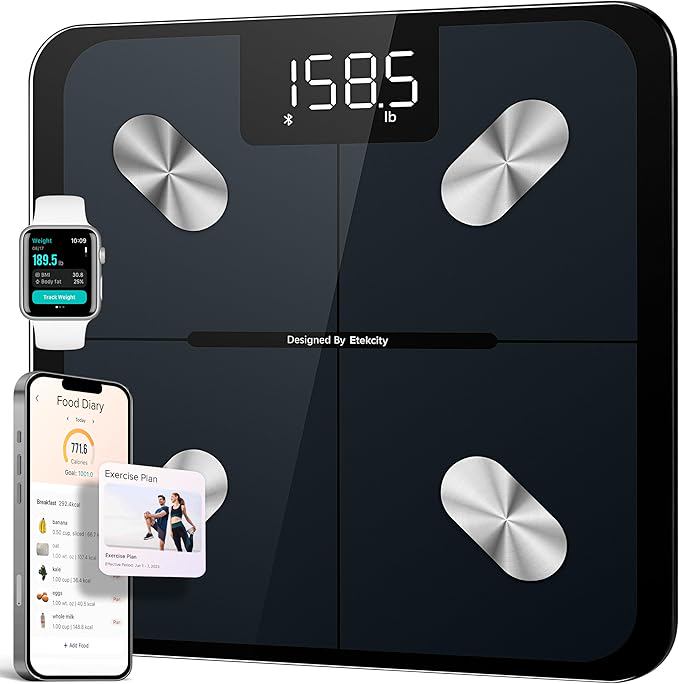
Use a scale that you trust—it doesn't have to be high-tech. A simple digital or analog scale is fine as long as it's on a hard, level surface. Carpet or uneven floors can throw off the reading. Record the number in a simple log or your pregnancy app, but avoid adding emotional commentary. The number is data, not a judgment.
If weekly weigh-ins still feel triggering, don't do them. Many providers are happy to track your weight at prenatal visits without you needing to see the scale—just tell them you prefer a "blind weigh-in." Your mental health matters just as much as the number.
What if your gain is suddenly faster or slower than expected?
Weight gain during pregnancy is rarely linear. You might gain nothing for two weeks and then jump two pounds in a single week. That's usually normal. However, there are a few patterns that deserve attention.
Rapid weight gain, especially in the second half of pregnancy, can signal fluid retention linked to preeclampsia. If you notice sudden swelling in your face or hands, or if the scale jumps 4–5 pounds in a week, contact your provider. On the other hand, gaining too little over two consecutive visits may indicate poor nutrition, hyperemesis gravidarum, or other concerns that need assessment.
A single concerning number is rarely a problem. It's the trend—up or down over several visits—that your provider will use to guide next steps.
Focus on what you can control: nutrition and gentle movement
Monitoring weight is not a substitute for healthy habits. Instead of fixating on the scale, redirect your attention to nourishing meals and comfortable activity. You don't need to "eat for two"—quality matters far more than quantity. Aim for a balanced plate with lean protein, whole grains, colorful vegetables, healthy fats (avocado, nuts, olive oil), and calcium-rich foods.
Gentle movement like walking, prenatal yoga, or swimming supports steady weight gain, improves sleep, and reduces pregnancy aches. Always check with your provider before starting or continuing any exercise routine, especially if you have complications like placenta previa or preterm labor risk.
When your provider should take over the tracking
Some conditions require closer monitoring of weight gain. If you have gestational diabetes, chronic hypertension, thyroid disorders, or a history of delivering a very large or very small baby, your OB or midwife may want to track your weight more frequently or recommend a referral to a maternal-fetal medicine specialist. In these situations, your provider becomes the primary monitor, and your job is simply to show up for appointments, stay honest about your eating and activity, and ask questions.
For most pregnancies, a routine prenatal visit every four weeks through week 28, then every two to three weeks through week 36, and weekly thereafter is enough to catch any major deviations. Trust the system—it's designed to notice problems early.
Let go of the postpartum body pressure—for now
It's natural to wonder about losing the weight after birth, but worrying about it during pregnancy can steal joy from the present. Weight gain is purposeful: it builds your baby's brain and bones, stores fat for breastfeeding, and increases your blood volume by nearly 50 percent. Your body is doing exactly what it needs to do.
If you find yourself consumed by anxiety over the scale, speak with a therapist who specializes in perinatal mental health. Some insurance plans cover these services, and many providers can recommend affordable resources. Pregnancy is temporary; your well-being is forever.