
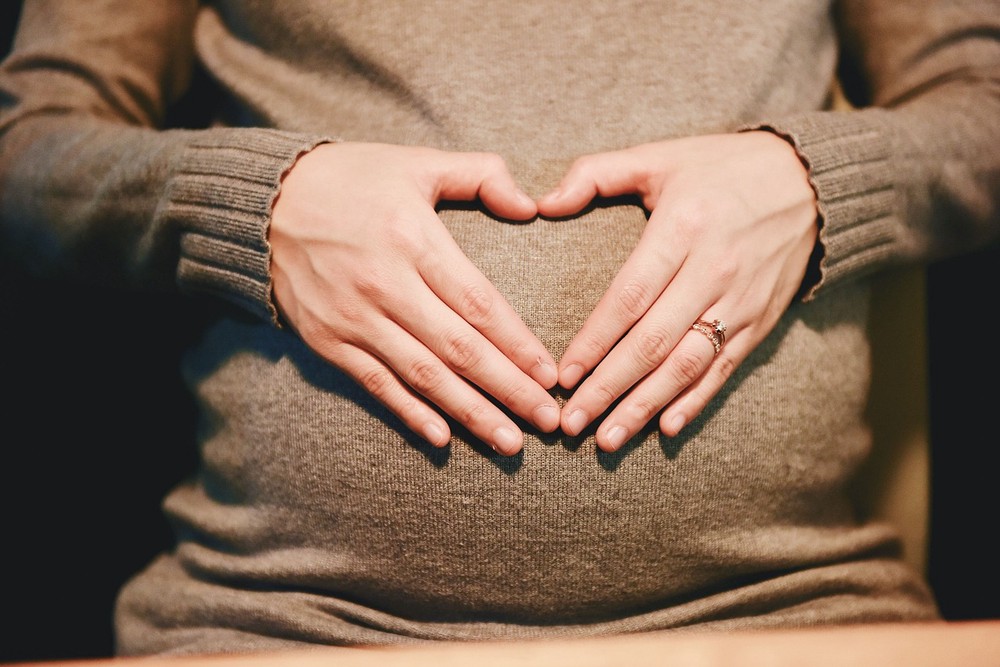
Weight gain is one of the most visible—and sometimes most anxiety-provoking—parts of pregnancy. Your body is doing something extraordinary, and the scale will move. But how do you know if the number is part of a healthy journey or a signal that something deeper needs attention?
Most weight gain during pregnancy is normal and expected. However, there are specific signs that warrant a conversation with your obstetrician or midwife. The goal is not to obsess over pounds, but to recognize when your body might be telling you (or your care team) that it needs support. Here are seven signs that your pregnancy weight gain may need a medical evaluation.
1. You're gaining weight very rapidly in a short period
While the second and third trimesters naturally involve more rapid growth, a sudden jump—say, five or more pounds in a single week—is worth discussing. This type of swift gain can sometimes indicate fluid retention, which may be related to preeclampsia or gestational hypertension. Your provider will check your blood pressure and look for swelling in your hands, face, or feet to determine the cause.
2. You're gaining very little weight (or losing weight) after the first trimester
Nausea in the first trimester can cause weight loss, and that is often not a concern. But if you hit the second trimester and are still not gaining—or are losing weight—your body may not be getting enough nutrients to support the baby's growth. This can lead to low birth weight or developmental issues. A dietitian or your OB can help you find ways to increase calorie intake safely.
3. You have sudden, severe swelling along with weight gain
Mild swelling in the feet and ankles is normal as pregnancy progresses. However, if you notice sudden puffiness in your face, hands, or around your eyes, or if the swelling is accompanied by headache or vision changes, this is a red flag. It could be a sign of preeclampsia, a serious condition that requires immediate medical evaluation.
Quick check: If you press on a swollen area and a dimple stays for a few seconds, mention it to your provider—especially if it's paired with rapid weight gain.
4. Your weight gain is far above or below the recommended range for your starting BMI
Guidelines from the American College of Obstetricians and Gynecologists offer ranges based on your pre-pregnancy body mass index (BMI). For example, a woman with a normal BMI is generally advised to gain 25–35 pounds. Gaining significantly more or less than your recommended range can increase risks like gestational diabetes, cesarean delivery, or preterm birth. Your doctor can help you adjust your diet and activity level if you're drifting off track.
5. You're losing weight uncontrollably despite eating well
Unintentional weight loss after the first trimester, especially if you feel you are eating enough, may point to undiagnosed gestational diabetes, hyperthyroidism, or a malabsorption issue. It could also indicate severe nausea (hyperemesis gravidarum) that requires treatment beyond ginger tea and crackers. Persistent vomiting or inability to keep food down warrants a call to your provider.
6. Weight gain is accompanied by extreme fatigue, thirst, or urination
If you are piling on pounds but feel constantly drained, unquenchably thirsty, and running to the bathroom all day, this triad is classic for gestational diabetes. This condition affects how your body processes sugar, and while it is manageable, it requires monitoring. Your doctor will likely order a glucose tolerance test to confirm and then guide you on diet and, if needed, medication.
7. Your weight gain is steady, but your belly measurement falls behind
Sometimes the scale says everything is fine, but your fundal height (the distance from your pubic bone to the top of your uterus) stops growing as expected. This can happen if you are gaining fat but the baby is not growing well. An ultrasound can check the baby's size, amniotic fluid levels, and overall health. Do not wait for a routine visit—contact your provider if you notice a change in your belly size.
When to call your doctor right away
Any weight gain that comes with severe headache, blurred vision, shortness of breath, chest pain, or decreased fetal movement should be treated as an emergency. Do not wait for an appointment—call your maternity triage line or go to the nearest emergency room.
Remember: the number on the scale is just one piece of the puzzle. Your care team uses it alongside your blood pressure, urine tests, ultrasound measurements, and how you feel overall. If something feels off, speak up. You know your body best, and asking a question is never a waste of time.