
As you move through the third trimester, your baby is growing quickly, and your body is working hard to support that development. Gradual, steady weight gain during these final weeks is a sign that both you and your baby are getting the nutrients needed. The goal isn't to eat for two, but to choose foods that pack a lot of nutrition into each bite. Snacking strategically can help you meet those increased energy and nutrient demands without feeling overly full or uncomfortable.
Instead of reaching for empty calories, focus on snacks that provide a balance of healthy fats, quality protein, and fiber-rich carbohydrates. These two snack ideas are designed to support gradual weight gain by nourishing your body with what it truly needs during the home stretch of pregnancy.
Why nutrient density matters now
In the third trimester, your calorie needs increase by about 450 calories per day compared to pre-pregnancy levels, according to the American College of Obstetricians and Gynecologists. That's roughly the amount in a small, well-balanced snack. The key is making those calories count. Nutrient-dense foods supply vitamins and minerals like iron, calcium, choline, and omega-3 fatty acids, which are critical for your baby's brain development and bone growth. They also help you maintain steady energy levels and support healthy weight gain without excessive sugar or refined ingredients.
Snack 1: Full-fat Greek yogurt with berries and chia seeds
This combination is a powerhouse for late-pregnancy nutrition. A single serving of full-fat Greek yogurt provides about 15–20 grams of protein, which helps support your expanding blood volume and the growth of placental and fetal tissues. The healthy fats in whole-milk yogurt are also important for your baby's developing brain and nervous system.
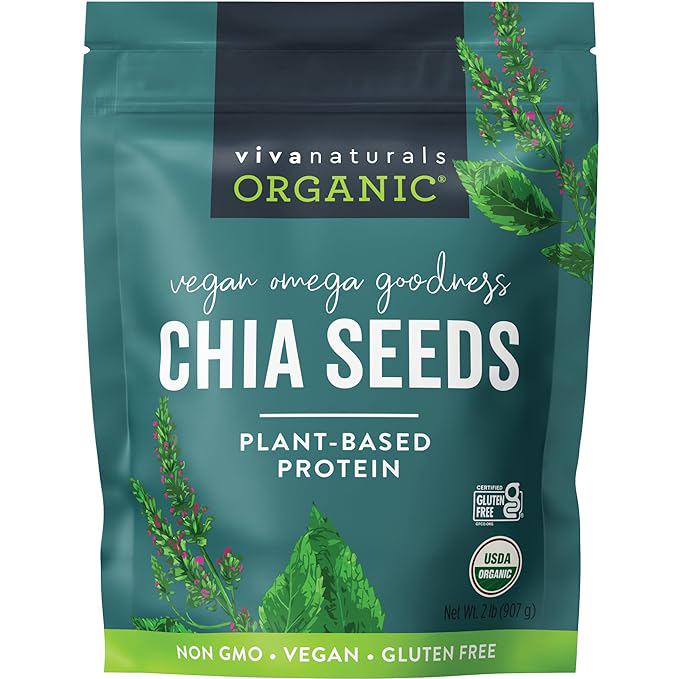
Adding berries brings natural sweetness along with antioxidants and vitamin C, which aids iron absorption. Chia seeds contribute omega-3 fatty acids, fiber (about 5 grams per tablespoon), and calcium. The fiber is especially helpful during the third trimester, when digestion often slows down. This snack also delivers a modest amount of energy—roughly 250–350 calories depending on portion size—making it an ideal choice for gradual weight gain.
How to prepare it
Start with a 6-ounce serving of plain, full-fat Greek yogurt. Top with a half-cup of fresh or frozen berries. Stir in one tablespoon of chia seeds. You can add a light drizzle of honey or maple syrup if you prefer a touch more sweetness, but many find the berries provide enough flavor on their own.
Snack 2: Whole-grain avocado toast with a boiled egg
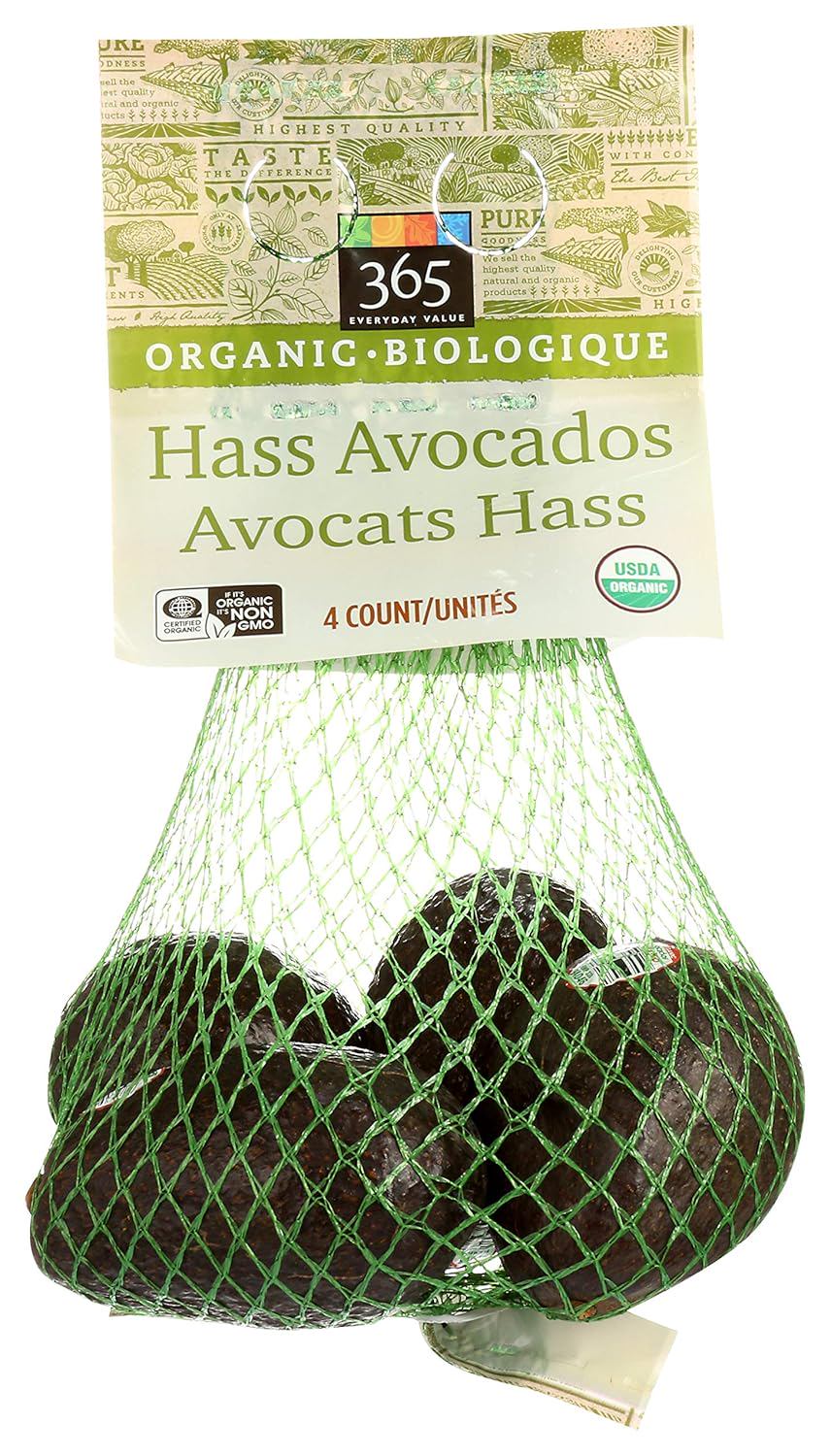
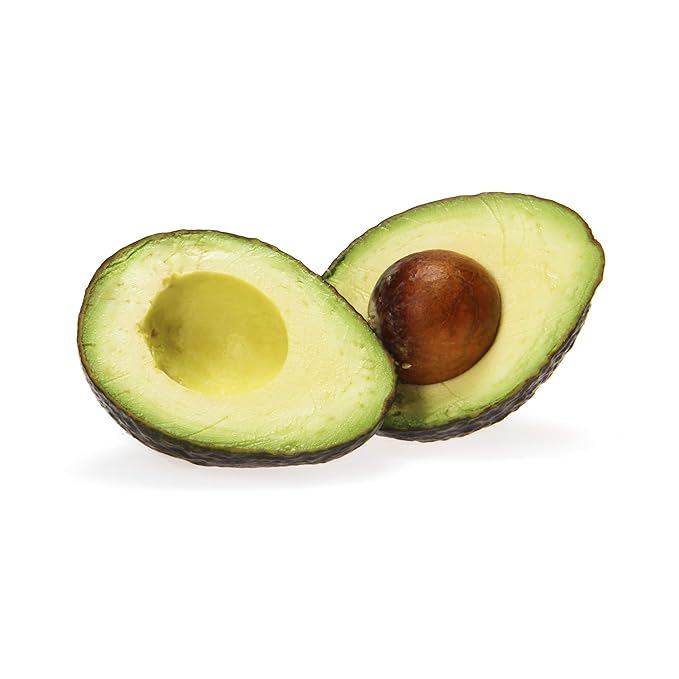
Avocado toast has become a breakfast staple for good reason, but it also makes an excellent third-trimester snack. Half an avocado provides about 7 grams of fiber, healthy monounsaturated fats, and folate—a B vitamin that continues to be important for fetal development throughout pregnancy. The whole-grain bread adds complex carbohydrates for sustained energy, plus B vitamins and additional fiber.
Topping it with a boiled egg adds roughly 6 grams of high-quality protein and choline, a nutrient that supports your baby's memory and brain development. Choline is especially important during the third trimester, yet many pregnant people don't get enough from their diet. One large egg provides about 147 milligrams of choline, or roughly 27 percent of the daily recommended intake during pregnancy (450 mg).
This snack clocks in around 350–400 calories, depending on the type of bread you choose. It's satisfying enough to curb hunger for several hours and provides a solid nutritional foundation for gradual, healthy weight gain.
Pairing snacks with hydration
Your body's blood volume increases by about 45 percent during pregnancy, and staying hydrated is especially critical in the third trimester. Pair either of these snacks with a glass of water or a cup of herbal tea. Adequate fluid intake also helps mitigate common third-trimester discomforts like constipation and Braxton Hicks contractions. Keep a water bottle nearby and sip throughout the day.
A good rule of thumb: if you're feeling hungry between meals, reach for a snack that includes protein, healthy fat, and fiber. This trio supports gradual weight gain while helping keep blood sugar levels steady.
Listening to your body's cues
Every pregnancy is different. Some people feel hungrier in the third trimester; others experience less appetite because the growing uterus presses on the stomach. Rather than fixating on the scale, pay attention to your hunger and fullness signals. Eating when you're hungry and stopping when you're satisfied—rather than eating to a predetermined portion—helps support natural, gradual weight gain.
If you're unsure about your specific weight gain goals, talk with your healthcare provider. They can offer personalized guidance based on your pre-pregnancy weight, overall health, and your baby's growth pattern.