
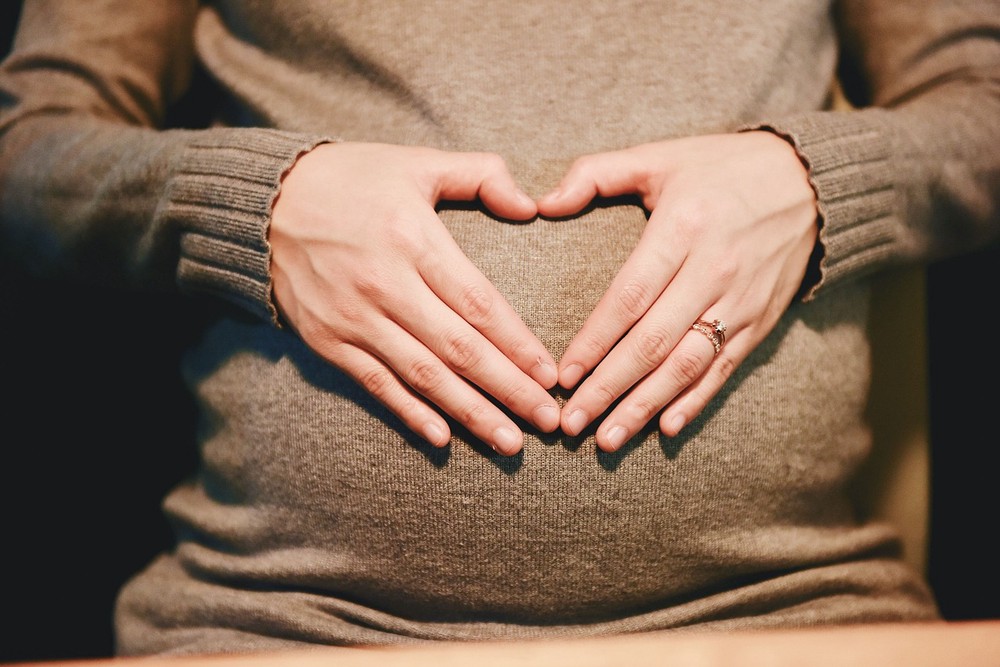
Pregnancy weight gain is a sign your body is nourishing a growing baby, but not all calories are created equal. Some foods can tip the scale toward excessive gain while also raising your risk for blood sugar spikes, high blood pressure, or inflammation. The good news? Swapping just a few common triggers for smarter options can keep you on a healthy track without feeling deprived.
Here we look at four foods to limit—and the nutrient-dense replacements that support steady, appropriate weight gain for you and your baby.
1. Sugary Breakfast Cereals and Granolas
Many cereals and granolas marketed as “healthy” are anything but. They often pack 10 to 20 grams of sugar per serving—sometimes more than a glazed donut. These rapid-digesting carbs spike blood sugar and insulin, encouraging fat storage around the midsection and leaving you hungry again in an hour.
What to eat instead
Choose a warm, whole-grain breakfast like steel-cut oats or a savory quinoa bowl. Top it with cinnamon, chopped nuts, and a handful of berries. You get steady energy, fiber to keep you full, and natural sweetness from the fruit—no added sugar needed.
- Opt for plain, unsweetened oatmeal (look for “rolled oats” or “steel-cut” on the label).
- Mix in unsalted almonds, walnuts, or chia seeds for healthy fats.
- Add mashed banana or a few dates instead of honey or maple syrup.
2. Fruit Juice (Even “100% Juice”)
Juice strips away the pulp and fiber that normally slow down sugar absorption. What’s left is a concentrated liquid sugar hit. A single 12-ounce glass of orange juice has about 33 grams of sugar—roughly eight teaspoons. Without fiber, your body processes that sugar almost as fast as soda, triggering insulin surges and fat storage.
What to drink instead
Eat whole fruit instead of drinking it. An orange gives you fiber (which helps stabilize blood sugar) and fewer calories per serving. For hydration, flavor your water with cucumber slices, fresh mint, or a splash of lemon or lime. If you crave something fizzy, try sparkling water with a few crushed berries.
Hydration tip: Aim for 8 to 12 cups of water or unsweetened beverages daily. Milk and coconut water also count, but keep fruit juice to an occasional small glass (4 oz) if you really miss it.
3. White Bread, White Rice, and Refined Pasta
Refined grains have been stripped of their germ and bran, so they digest quickly and spike blood sugar. They also offer little in the way of vitamins, minerals, or fiber. Over time, a diet high in refined carbs can lead to rapid weight gain and increase the risk for gestational diabetes.
What to eat instead
Replace white bread with 100% whole-wheat or sprouted-grain bread. Swap white rice for brown rice, quinoa, farro, or barley. For pasta, choose lentil- or chickpea-based pasta, which provides protein and fiber. These swaps keep you fuller longer and help you gain weight at a steady, healthy pace.
- Read labels: “whole wheat” or “whole grain” should be the first ingredient.
- Start with half your usual portion of refined grain and gradually increase the whole-grain version.
- Add non-starchy vegetables (spinach, bell peppers, broccoli) to grain dishes to boost nutrients without many extra calories.
4. Sugary Drinks (Soda, Sweet Teas, and Flavored Coffees)
Liquid sugar is the fastest route to excess weight gain because it bypasses your brain’s satiety signals. A 12-ounce can of soda has about 39 grams of sugar—nearly 10 teaspoons. Sweet teas and coffee drinks with syrups and whipped cream can be even worse. These drinks contribute to “empty calories” and have been linked to excessive pregnancy weight gain and gestational diabetes.
What to drink instead
Stick with water, sparkling water with a squeeze of lemon, or unsweetened iced tea. If you want a warm treat, make a latte with unsweetened plant milk and a sprinkle of cinnamon. Herbal teas (check that they’re pregnancy-safe) like ginger or peppermint can satisfy a flavor craving without sugar.
Pregnancy weight gain is normal and necessary—the goal is to make every calorie count. By cutting back on sugary cereals, juice, refined grains, and sweet drinks, you give your body the nutrients it needs without the added sugar roller coaster. Fill your plate with whole fruits, vegetables, lean proteins, healthy fats, and fiber-rich whole grains. Your body and baby will thank you.
As always, talk with your healthcare provider about your personal weight gain goals and any dietary concerns during pregnancy.