You wash your face. You use the right moisturizer. And yet, the morning of a big presentation or after a week of sleepless nights, your skin rebels. It is not your imagination. Stress directly triggers breakouts, and the cycle often feels impossible to break. The good news is that you do not need a ten-step regimen or a dermatologist's prescription to fight back. A simple, targeted routine designed for acne-prone skin can calm both your cortisol levels and your complexion.
This guide walks through the biology of stress breakouts and builds a no-nonsense skin care routine that actually works when life gets chaotic. No fluff, no harsh gimmicks—just the steps that keep your skin stable when your schedule is not.
Why stress makes your skin break out
When you are under pressure, your body releases cortisol and androgens. These hormones tell your sebaceous glands to pump out more sebum (oil). Extra oil alone is not enough to cause acne, but it creates a perfect environment for Cutibacterium acnes bacteria and clogged pores. At the same time, stress weakens your skin barrier, making it more reactive and slower to heal. It is a biological double punch: more oil production plus a compromised barrier equals a stress breakout.
The chin, jawline, and lower cheeks are especially prone to these hormonal flare-ups. If you notice deep, tender bumps in those areas after a particularly heavy week, that is your stress signature.
The 4-step routine for acne-prone skin under stress
A complicated routine is the enemy of consistency, especially when you are already stretched thin. Stick to these four steps morning and evening. Each one serves a specific purpose without overloading your skin.
Step 1: Gentle cleanser (no stripping)
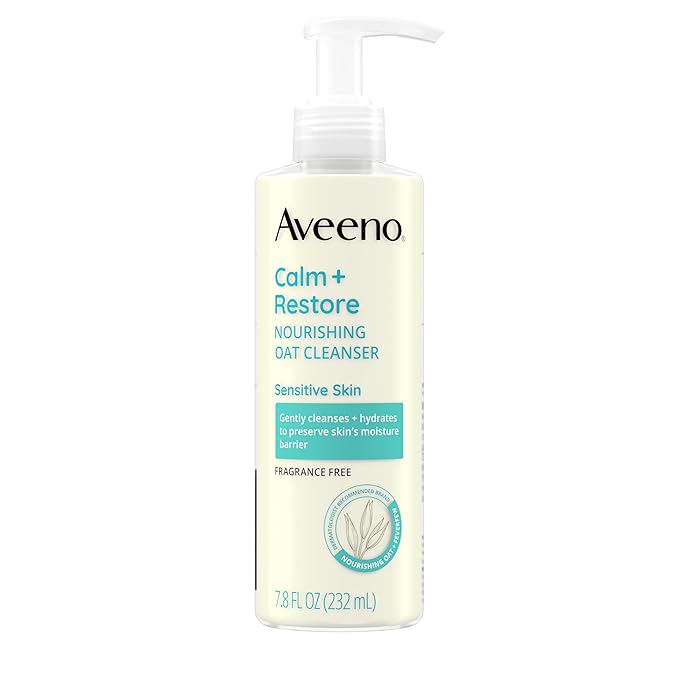
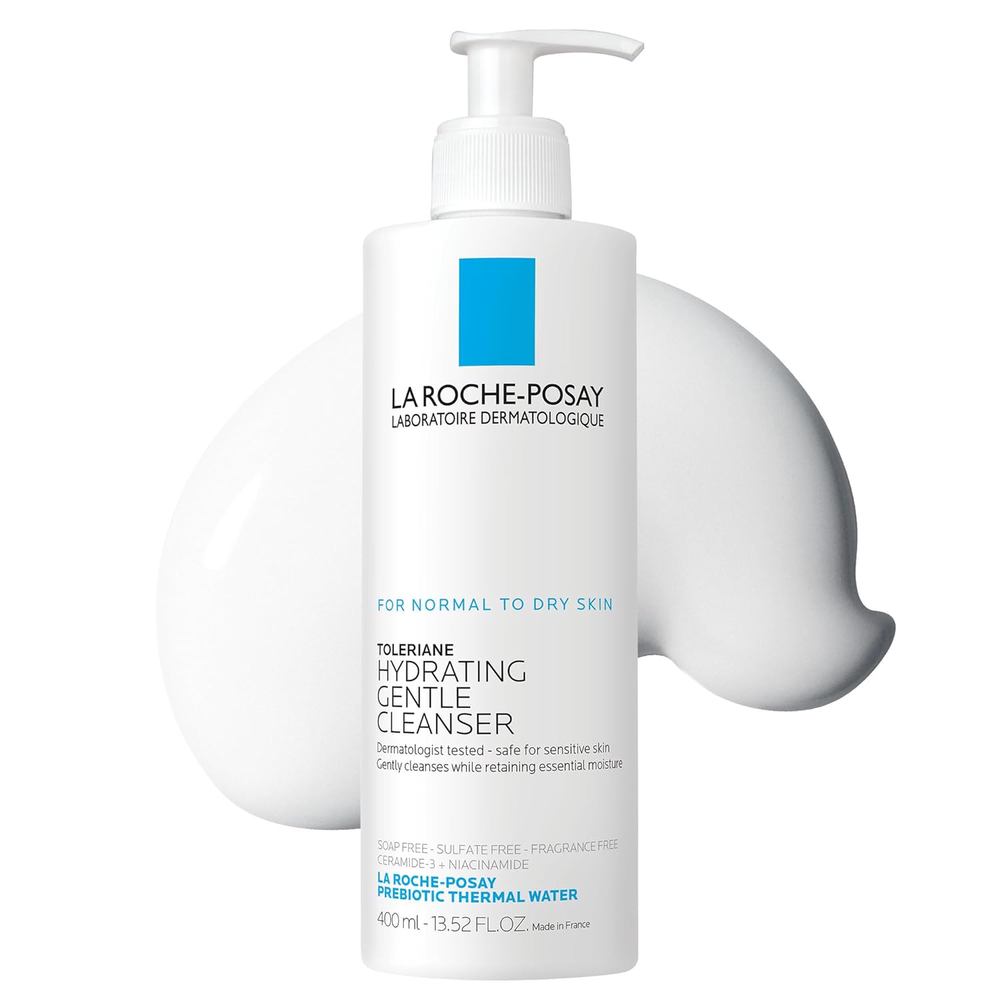
If your face feels tight after washing, your cleanser is too aggressive. Harsh surfactants damage the skin barrier, which triggers even more oil production to compensate. Look for a gel or cream cleanser with ingredients like glycerin, ceramides, or aloe vera. Avoid sulfates and high-alcohol formulas. Wash for 60 seconds with lukewarm water—hot water strips natural lipids.
Quick tip: Double-cleanse only if you wear sunscreen or makeup. Otherwise, a single gentle wash is sufficient and less irritating.
Step 2: A targeted acne fighter
This is where you address active breakouts and prevent new ones. The best choices for acne-prone skin are beta hydroxy acid (BHA / salicylic acid) and benzoyl peroxide. Salicylic acid is lipophilic, meaning it penetrates oil-clogged pores and exfoliates from the inside. Benzoyl peroxide kills acne-causing bacteria. Use them in a leave-on product (a serum or a treatment lotion), not a wash-off cleanser, so the active ingredient stays on your skin long enough to work.
Alternate them, do not layer them. Use salicylic acid in the morning and benzoyl peroxide in the evening, or choose one if your skin is sensitive. If you have never used these before, start with every other day and build tolerance.
Step 3: Lightweight moisturizer
Even oily, acne-prone skin needs hydration. Skipping moisturizer signals your skin to produce more sebum. Pick a non-comedogenic, oil-free moisturizer with ingredients like niacinamide or hyaluronic acid. Niacinamide is particularly helpful because it reduces inflammation and regulates oil activity. Apply it while your skin is still slightly damp to lock in hydration.
Step 4: Sunscreen (non-negotiable)
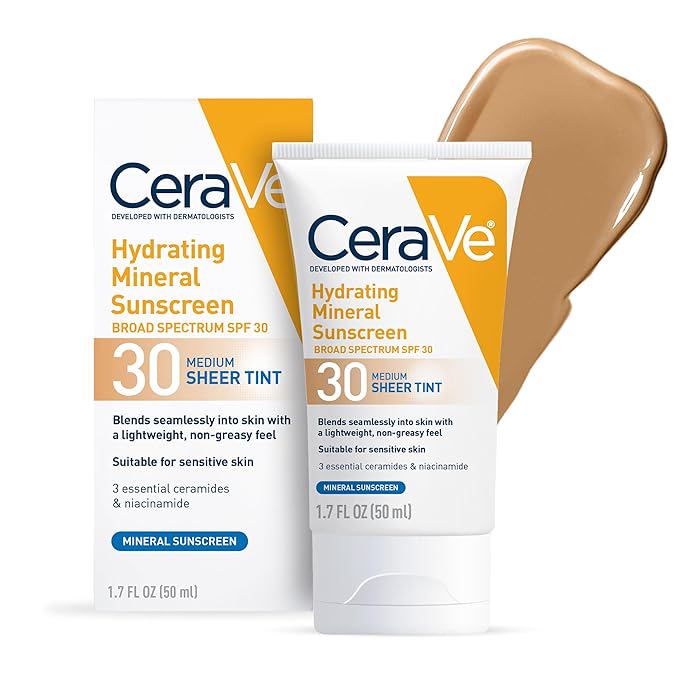
Acne treatments make your skin more sensitive to UV damage. Sun exposure darkens post-inflammatory hyperpigmentation (the red or brown marks left after a pimple heals) and can worsen inflammation. Choose a broad-spectrum SPF 30 or higher that is labeled oil-free or mattifying. Mineral sunscreens with zinc oxide are usually well-tolerated by sensitive, acne-prone skin.
What to add when stress is high
During peak stress weeks, your skin may need extra support. Consider adding one of these targeted helpers, but only one at a time so you do not disrupt your base routine.
- Azelaic acid — reduces redness and kills bacteria. It is gentle enough for daily use and especially good for post-acne marks.
- Retinoid (adapalene or retinol) — speeds cell turnover and unclogs deep pores. Use it only at night, and if you are new to retinoids, start twice a week. Do not combine with benzoyl peroxide in the same session.
- Hypochlorous acid spray — a soothing antimicrobial mist you can use during the day, even over makeup. It calms inflammation without drying.
Diet and habits that support stress-prone skin
Topical treatments cannot undo what your internal environment is doing. High-glycemic foods (white bread, sugary snacks, sodas) spike insulin, which can amplify androgen-driven oil production. Dairy, especially skim milk, is linked to breakouts in some individuals. During a stressful period, try swapping one sugary drink for water or green tea, and lean toward whole foods when you can.
Sleep is a pillar for clear skin. Poor sleep raises cortisol even higher. If you cannot get eight hours, aim for at least six, and keep your pillowcases clean—oil and bacteria transfer onto your skin every night.
Common mistakes that make stress breakouts worse
- Over-exfoliating. More acid does not mean fewer pimples. It means a destroyed barrier and more inflammation. Stick to one exfoliating step per day (the BHA or retinoid).
- Popping pimples. Stress often triggers deeper cysts that do not come to a head easily. Popping them forces bacteria deeper and guarantees a longer healing time with a higher risk of scarring.
- Ignoring neck and jaw. Stress breakouts often travel down the jawline and onto the neck. Extend your routine one inch below your jaw to those areas.
- Switching products too often. Acne treatments take four to six weeks to show visible results. Changing your routine every week confuses your skin and breaks the progress cycle.
When to see a professional
A simple routine works for most mild to moderate stress breakouts, but some situations need a dermatologist's guidance. If you have deep, painful cysts that do not respond to over-the-counter treatments, or if breakouts persist for months even when you are not stressed, a professional can evaluate whether oral medications (like spironolactone for hormonal acne) or prescription-strength topicals are appropriate. There is no shame in needing extra help—acne is a medical condition, not a failing in your cleansing habits.