You've just made a batch of dairy-free pudding, but when you take that first spoonful, it's gritty instead of silky. That rough texture is a common problem with plant-based puddings, but the good news is that you can fix it quickly without starting over. We talked to pastry chefs who shared a simple, one-minute rescue method that works for almost any dairy-free pudding recipe.
Why dairy-free pudding turns gritty
The grit comes down to how starches and fats behave when there's no dairy. Traditional pudding relies on milk's natural emulsifiers and fat structure to create a smooth mouthfeel. With plant-based milks and cream substitutes, starches like cornstarch or arrowroot can clump, and fats may separate as the pudding sets. The result is that unmistakable sandy, gritty texture.
Another common cause: undercooking the base. Starch granules need enough heat and time to fully swell and gelatinize. If the mixture doesn't reach the right temperature or thicken evenly, the starch stays in tiny, crystalline grains that you can feel on your tongue.
“Dairy-free puddings are more delicate because the protein structure is different. You can’t just blast the heat and expect it to work,” notes one pastry chef. “Patience with the whisk is your best friend.”
The 1-minute fix for gritty dairy-free pudding
Here's the method pastry chefs use in their own kitchens. You only need one tool and a little patience.
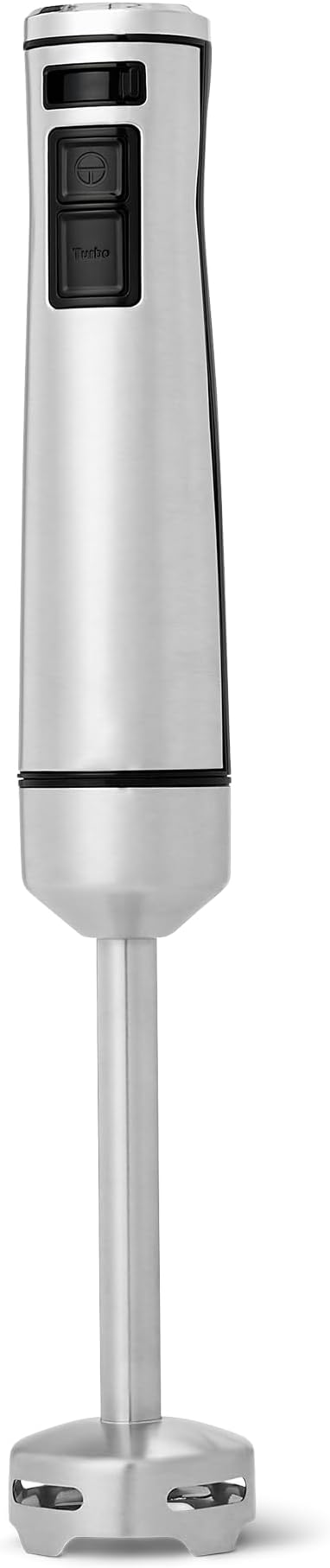
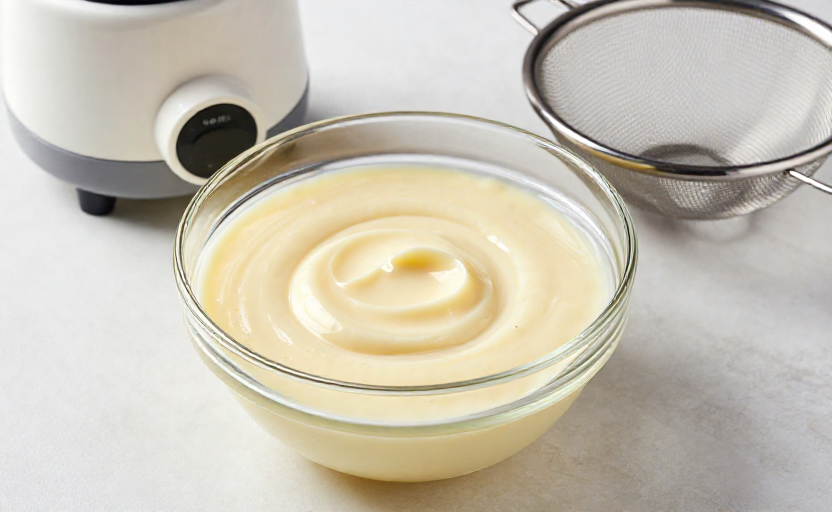
- Pour the gritty pudding into a blender. A high-speed blender works best, but an immersion blender also does the job. Add about 1 to 2 tablespoons of warm non-dairy milk (like oat, soy, or almond milk) to help it move smoothly.
- Blend on low for 30 seconds. Start at the lowest speed, then gradually increase to medium. This breaks down the starch clumps and re-emulsifies the fats.
- Strain through a fine-mesh sieve. For the final 30 seconds, pour the pudding through a fine-mesh strainer into a fresh bowl. Press it through with a spatula. This catches any remaining stubborn grains.
That's the entire fix. In less than a minute, your pudding should go from gritty to restaurant-smooth. Return it to the fridge to firm up again if needed.
A second trick: the low-heat second whisk
If you don't want to break out the blender (or you made just one serving), use this alternative: return the pudding to a low heat, add a splash of non-dairy milk, and whisk vigorously for about 45 seconds. The gentle heat softens the starch crystals, and the whisking forces the mixture to homogenize.
“You're essentially giving the starch a second chance to hydrate,” explains another pastry chef. “It's not as foolproof as the blender method, but it works for small batches and lighter grittiness.”
How to prevent grit in the first place
Avoiding grittiness is better than fixing it later. Here are a few tips from pros:
- Temper the starch. Always dissolve cornstarch or arrowroot in a cold liquid before adding it to the hot pot. A smooth slurry prevents lumps.
- Whisk continuously while cooking. Don't walk away from the stove. Constant whisking distributes heat evenly and stops starch from settling on the bottom.
- Use full-fat plant milks. Higher fat content helps carry starch smoothly and creates a creamier base. Oat milk, coconut milk, and cashew milk are top choices.
- Let it cool slowly. Rapid temperature changes can cause fat separation. Cover the pudding with plastic wrap directly on the surface as it cools. This prevents a skin from forming and keeps the emulsion stable.
What about the mango mousse example?
A recent recipe from actress Shilpa Shetty for a no-refined-sugar mango mousse sparked interest in easy, dairy-free desserts. While her mousse uses low-fat cream, the same textural principles apply to plant-based puddings. A mango purée, whipped cream, and careful mixing can produce a gentle, airy texture. If a dairy-free version of that mousse turned out gritty, you could use the same one-minute blender fix above to save it.
Mango is a great choice for dairy-free desserts because its natural pectin adds body and helps bind the mixture. Just make sure you use very ripe mangoes, as underripe fruit can contribute a chalky texture when puréed.
When to accept the grit and start over
Unfortunately, not every gritty pudding can be saved. If the mixture has a sour smell, has separated into watery and solid layers, or looks curdled, it's likely past saving. That often happens when the emulsion has broken completely. In that case, it's safer to discard it and blend up a new batch with the precautions above.
With practice, you'll be able to tell by feel and smell whether your pudding is just gritty or truly spoiled. Most of the time, the one-minute blender trick will do the job. Keep calm, blend on, and enjoy your smooth, dairy-free treat.