
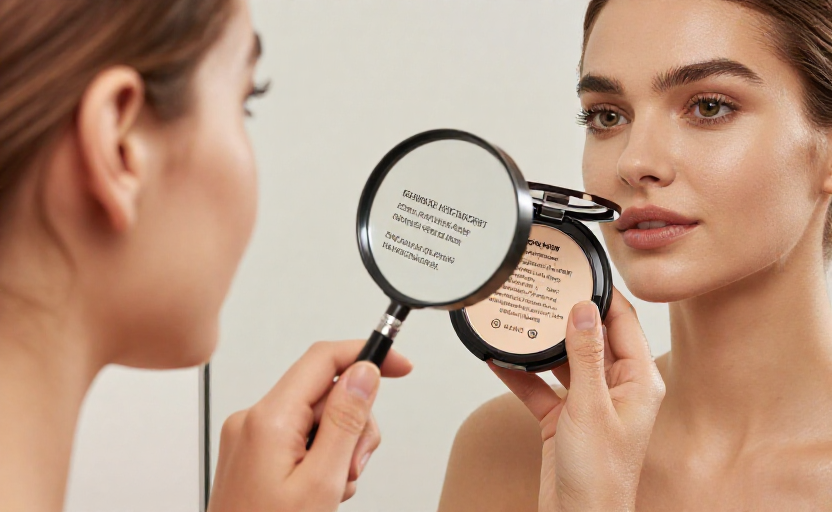
Walking down the makeup aisle can feel like a minefield when you have acne-prone or sensitive skin. Every bottle promises to be gentle, but the proof is in the tiny words on the back label—specifically, the word non-comedogenic. This term means the product has been formulated to not block pores, but it is not a regulated term. Knowing how to choose non-comedogenic makeup that actually works for your skin type requires a little label literacy and a dose of dermatologist-approved strategy.
What does non-comedogenic actually mean?
Comedogenicity refers to a product’s tendency to cause comedones—those small flesh-colored or dark bumps that form when a hair follicle gets clogged with oil and dead skin cells. A non-comedogenic product is designed to reduce that risk. However, there is no legal standard for how a company proves this claim. Some brands test on rabbit ears or human skin, but many slap the term on a bottle simply because they omitted a few known pore-cloggers.
Dermatologists emphasize that skin is individual. A formula labeled non-comedogenic may still break you out if you are sensitive to a specific ingredient. The real trick is learning which ingredients tend to be problematic for most people and then reading your own skin’s feedback.
Key ingredients to look for and avoid
When scanning the ingredient list, keep an eye out for some common culprits that are known to be highly comedogenic. Oils like coconut oil, cocoa butter, and palm oil have a high comedogenic rating, as do ingredients such as isopropyl myristate and lanolin. Silicones have a mixed reputation—dimethicone is generally considered safe in small amounts, but heavier silicones like dimethicone copolyol can cause issues for some.
On the safer side, look for lighter emollients such as caprylic/capric triglyceride, squalane, and jojoba oil. Mineral oil, shea butter, and petrolatum are often less likely to clog pores than some botanical oils. Water-based or gel formulas are almost always a safer bet than heavy cream-based foundations.
If you are unsure about a specific ingredient, you can check its comedogenic rating online—usually on a scale of 0 to 5. Dermatologists suggest sticking with ingredients rated 0 or 1 when possible, but remember that the concentration and overall formula matter as much as the individual rating.
Foundation and concealer: weight matters
Liquid and cream foundations are where most people get tripped up. Look for labels that say oil-free, water-based, or non-comedogenic. Powder foundations are often a good option for oily and acne-prone skin because they absorb excess sebum and sit on the surface rather than sinking into pores. However, some powders contain talc and bismuth oxychloride, which can irritate sensitive skin.
Concealers are trickier because they need to be thick enough to cover spots, and that thickness often comes from waxes or heavy oils. A good workaround is to use a matte concealer stick that is labeled non-comedogenic. Dab it only on the blemish itself, not the surrounding area, to limit pore exposure.
A quick caveat: just because a product says "matte" does not mean it is non-comedogenic. Many matte formulas rely on powders to absorb oil, but the liquid base may still contain heavy emollients.
Primer, blush, and bronzer
Primer can be a helpful buffer between your skin and foundation—if you choose the right one. Silicone-based primers may improve wear time, but they can also trap oil and exacerbate congestion in some people. A water-based primer is often safer for acne-prone skin.
For blush and bronzer, powder formulations are generally less comedogenic than cream ones. If you prefer cream products, look for those labeled oil-free and non-comedogenic. Mineral-based blushes that list zinc oxide or titanium dioxide near the top of the ingredients tend to be quite safe and also offer a bit of sun protection.
Setting sprays and powders
Setting sprays often contain alcohol or glycerin. Alcohol can be drying and irritating for sensitive acne-prone skin, while glycerin is usually safe but can feel sticky in high humidity. A finely milled translucent powder applied with a brush is a low-risk way to set makeup without adding pore-clogging ingredients. Avoid high-shimmer setting powders, which often contain mica and other reflective particles that can cause micro-irritation.
How to test a new product safely
The best way to know if a product will work for your skin is to patch test it. Apply a small amount behind your ear or on your jawline for two to three consecutive days. If no new bumps or irritation appear, try it on a small area of your face. Even with a clean ingredient list, your unique skin chemistry might react.
Keep a running list of products that have worked for you and those that did not. Over time, you will notice patterns—maybe fatty alcohols are fine but heavy silicones are not, or vice versa. This personal database is more reliable than any label because it accounts for your skin’s unique microbiome and sensitivity.
When to consult a dermatologist
If you have tried swapping to non-comedogenic products and still see persistent breakouts, it is possible the problem is not cosmetic at all—or that you have an underlying condition such as acne mechanica or perioral dermatitis. A board-certified dermatologist can run a patch test with actual product ingredients and help you build a routine that works with your skin’s biology rather than against it.
Choosing non-comedogenic makeup is a mix of science and trial-and-error. Stick with light, water-based formulas, avoid known pore-clogging oils, and pay close attention to how your skin responds. Over time, you will develop a reliable short list of go-to products that keep your skin clear without sacrificing your favorite beauty routines.