
Walking into the gym with a growling stomach is a recipe for a weak session. On the other hand, eating the wrong thing—or too much—leaves you feeling heavy, sluggish, or even queasy under the barbell. For anyone serious about strength training, the pre-workout meal is the literal fuel for performance. But it doesn’t need to be complicated. A simple, balanced meal eaten at the right time can give you steady energy, better focus, and more power when you need it.
Why timing matters for strength fuel
Your body needs time to digest and absorb nutrients so they’re available as you work out. Eat too close to your session, and blood flow diverts to your gut instead of your muscles. Eat too early, and you risk running out of gas mid-set. A solid rule of thumb is to finish your meal about 60 to 90 minutes before you start lifting. This window works for most people—it allows digestion to settle while keeping fuel available in your bloodstream.
A quick check: If you feel any fullness or sloshing when you bend over to tie your shoes, give yourself more time next meal.
The core components of a pre-workout meal
You don’t need a dozen ingredients or a specialty product. Every effective pre-workout meal for strength training rests on two essential macronutrient groups: carbohydrates and protein. Fats and fiber are best kept minimal here, since they slow digestion and can cause discomfort under heavy loads.
Carbohydrates for ready energy
Carbs are your body’s preferred fuel for high-intensity effort. They break down into glucose, which gets stored in your muscles as glycogen. When you lift, your muscles draw on that glycogen for explosive movements and sustained reps. Simple, easily digestible carbs are the ticket—think white rice, bananas, white bread, or a plain bagel. The goal is fuel without fiber overload.
Protein for muscle support
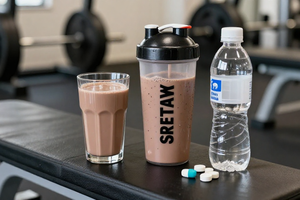
A small amount of protein before you train helps prime muscle protein synthesis and provides amino acids during your workout. You don’t need a full chicken breast here—20 to 30 grams of a quickly digestible protein is plenty. Options like a scoop of whey or plant-based protein powder, a single serving of Greek yogurt, or a few slices of turkey work well.
Sample pre-workout meals that are dead simple
Here are three combinations that tick the boxes—carbs and protein, minimal fat and fiber, easy on the stomach.
- Banana with peanut butter – One medium banana and a thin spread of natural peanut butter. Quick carbs from the banana, a touch of protein and fat from the PB. Keep the peanut butter modest if you are sensitive to fat.
- White rice and grilled chicken – About one cup of plain white rice with four to six ounces of lean chicken breast. This is a classic bodybuilder staple for a reason. It is bland, predictable, and works.
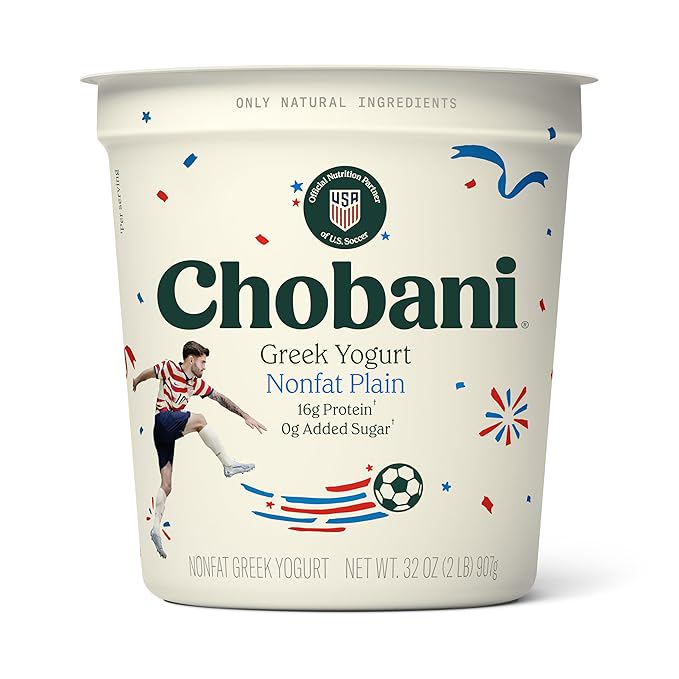
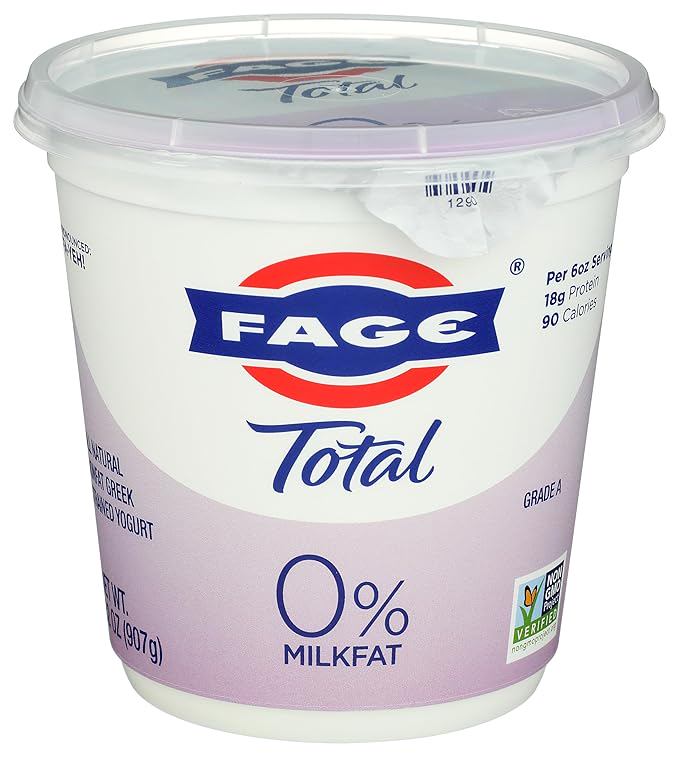
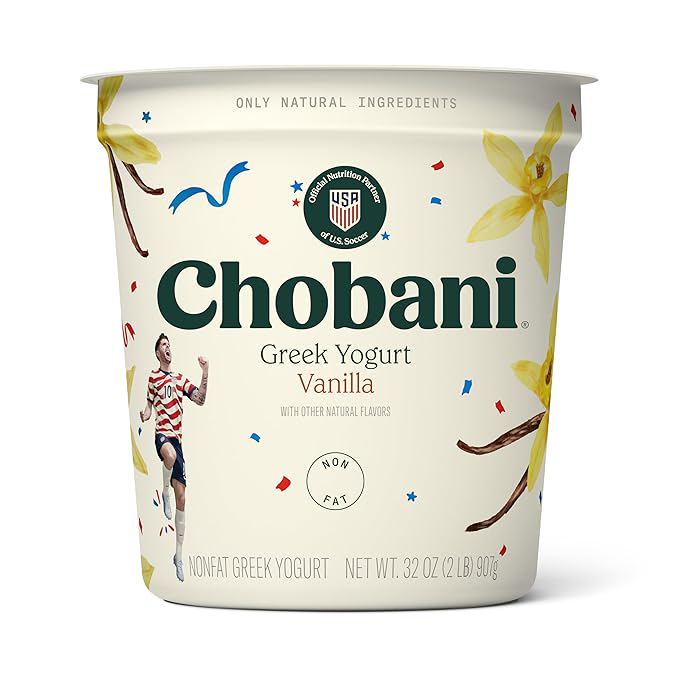
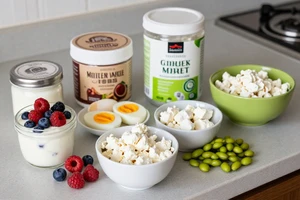
- Greek yogurt with honey – One single-serving container of plain Greek yogurt (or skyr) drizzled with a tablespoon of honey. The yogurt supplies protein and a little natural sugar; the honey adds fast-acting carbs.
What about caffeine and other additions?
Caffeine is a well-studied performance enhancer. If you already drink coffee or tea in the morning, having a cup about 45 minutes before your workout can improve focus and reduce perceived effort. For people who do not regularly consume caffeine, starting low (half a cup) is wise. Avoid experimenting with high doses on training day if you are not used to it.
Some lifters add a pinch of salt to their pre-workout water to support fluid balance, particularly if they sweat heavily. That is a simple, safe strategy for most people—but always listen to your body and consult a professional if you have specific health concerns like high blood pressure.
Common pitfalls to avoid
Many lifters sabotage their pre-workout fuel without realizing it. One frequent mistake is eating a meal that is too high in fat—think fried foods, oily dressings, or heavy cheese. Fat sits in your stomach longer and can make you feel lethargic. Another issue is relying on large amounts of fiber, such as a big bowl of oatmeal with berries and seeds. While healthy in general, that combo can cause bloating and cramping during squats or deadlifts.
One more note: Do not confuse “pre-workout” with “pre-workout supplement.” Powders and pills are not necessary. Whole foods are almost always better tolerated and more nutrient-dense. A simple meal beats an expensive, overhyped product every time.
Adapting for early morning versus afternoon training
If you train first thing in the morning, your stomach might not tolerate a full meal. That is fine—a smaller snack works. A banana or a piece of toast with a little jam gives you carbs without the weight. For afternoon or evening sessions, you have the advantage of having eaten lunch or a snack already. Just make sure your last substantial meal is two to three hours before you lift, then top off with a small carb-based snack 30 to 45 minutes prior if needed.
Hydration matters alongside food. Drink water steadily throughout the day, not just right before you train. A good goal is to have about 16 to 20 ounces of water two hours before exercise, then sip more in the hour leading up.
The bottom line
Building a simple pre-workout meal comes down to two things: eat easy-to-digest carbs and a moderate amount of protein, and time it roughly an hour before your session. Skip the heavy fats and excess fiber, stay hydrated, and keep it consistent. Once you find a combination that feels good and lets you lift with power, you will wonder why you ever made it so complicated.