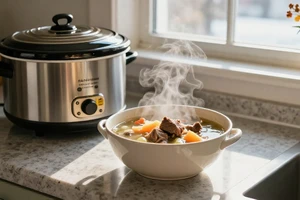
There’s a quiet magic to coming home to a meal that’s been simmering all day, filling the house with warmth and the promise of dinner with zero last-minute effort. The slow cooker is a champion of convenience, but the idea of building a meal for it can feel daunting. It doesn’t need to be. With a simple, reliable framework, you can assemble a satisfying slow cooker meal in about fifteen minutes, set it, and forget it until it’s time to eat.
Think of your slow cooker as a gentle, low-temperature oven that traps moisture. This method excels at tenderizing tougher, more affordable cuts of meat and melding flavors together. The key to a quick build is understanding the few essential components that work in harmony over the long cook.
The Essential Slow Cooker Framework
Every successful quick-assembly meal follows a basic structure. You don’t need a recipe every time if you understand these building blocks.
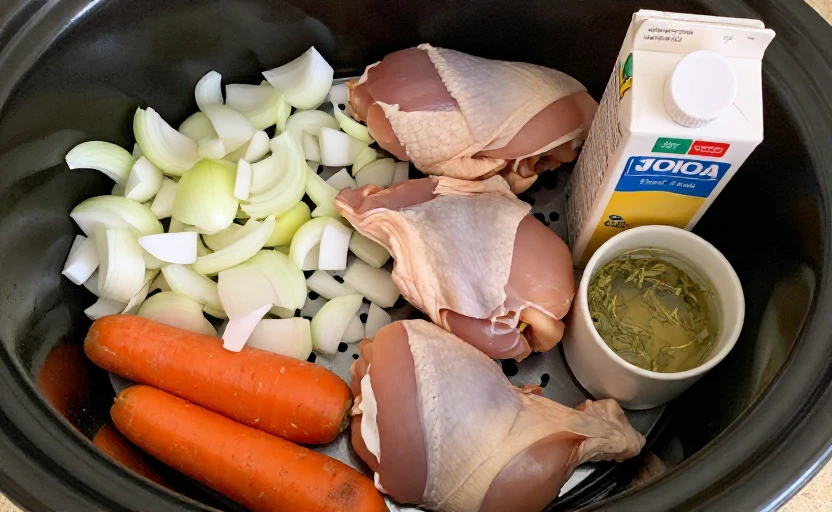
1. The Foundation: Aromatics. This is your flavor base. Onions, garlic, carrots, and celery are classics for a reason. A rough chop is all that’s needed—they’ll soften and sweeten over hours. Toss them into the bottom of the pot first.
2. The Main Event: Protein. Choose a cut that benefits from slow, moist heat. Chicken thighs (bone-in or boneless), pork shoulder, beef chuck roast, or even sturdy beans for a vegetarian option are perfect. Place your protein on top of the aromatics. There’s no need to brown meat for a quick build, though it does add depth of flavor if you have an extra minute.
3. The Moisture: Liquid. This creates the cooking environment and becomes your sauce. Use about ½ to 1 cup of liquid for most meals. Broth, stock, a splash of wine, canned tomatoes, or even just water works. Pour it around, not directly over, the protein to keep your aromatics hydrated.
4. The Seasoning: Herbs & Spices. Dried herbs hold up better over long cooking. A simple combination like rosemary and thyme, oregano and basil, or cumin and chili powder is all you need. Sprinkle generously over everything.
The slow cooker’s superpower is forgiveness. As long as you have these four elements, you’re almost guaranteed a good result.
Your 15-Minute Assembly Plan
With your ingredients gathered, the assembly is a straightforward layering process. Here’s how to do it efficiently.
- Prep your aromatics. Peel and roughly chop one onion. Mince a few cloves of garlic. Chop a carrot or two. No need for perfection.
- Layer the base. Scatter the chopped aromatics evenly over the bottom of your slow cooker insert.
- Add the protein. Place your chicken, pork, or beef directly on top of the vegetables. Season the protein lightly with salt and pepper.
- Pour in the liquid. Add your chosen broth, tomatoes, or other liquid around the sides.
- Apply the seasoning. Sprinkle your dried herbs and spices evenly over the entire contents.
- Set it and go. Place the lid on securely. Choose your cooking setting—‘Low’ for 6-8 hours is ideal for tenderness and safety, ‘High’ for 3-4 hours if you’re shorter on time. Do not open the lid during cooking; you release valuable heat and steam.
Finishing Touches for Maximum Impact
When you return hours later, a few quick steps can elevate your meal from good to great. These are optional but highly effective.
Adjust the consistency. If your sauce is too thin, you can thicken it. Remove the cooked protein and vegetables to a serving platter. Turn the cooker to High. Mix a tablespoon of cornstarch with two tablespoons of cold water to form a slurry. Whisk this into the simmering liquid in the pot. In about 10-15 minutes, it will thicken into a glossy sauce.
Brighten the flavors. Long cooking can mellow tastes. A squeeze of fresh lemon juice, a sprinkle of chopped fresh herbs like parsley or cilantro, or a zest of citrus right before serving wakes everything up.
Add delicate ingredients last. If you want to include vegetables like peas, spinach, or zucchini, stir them in during the last 30 minutes of cooking. This preserves their color, texture, and nutrients.
Common Questions About Quick Slow Cooker Meals
Can I put raw meat directly in the slow cooker?
Yes, that’s one of its main conveniences. The slow cooker will safely bring the meat up to a temperature that destroys bacteria. Browning first adds flavor, but skipping it is perfectly safe and saves time.
Why is there so much liquid at the end?
The slow cooker lid is designed to be very tight, preventing evaporation. That’s why you use much less liquid than in oven or stovetop cooking. Start with ½ to 1 cup maximum; you can always thin a sauce, but you can’t easily remove liquid.
Is it safe to leave it on all day while I’m at work?
Absolutely. Modern slow cookers are designed for this. Using the ‘Low’ setting for 6-8 hours is within the safe operating window. Ensure the cooker is on a stable, heat-resistant surface away from anything flammable.
Can I cook pasta or rice directly in it?
It’s tricky for a quick-build meal. Pasta and rice can easily become mushy. For best results, cook them separately and add them to the finished dish, or add uncooked rice/pasta during the last hour of cooking and check frequently.
Building a quick slow cooker meal is less about following a strict recipe and more about trusting a simple, flexible method. Once you internalize the framework—aromatics, protein, liquid, seasoning—you unlock the ability to create endless variations with what you have on hand. It turns the slow cooker from a specialty appliance into a reliable cornerstone for effortless, nourishing meals.