You know the feeling. The morning is a blur, lunch is a distant thought, and your body is asking for something substantial—something that will actually keep you going. That’s where the high-protein smoothie shines. It’s not a fussy, complicated recipe; it’s a fast, forgiving way to fuel your day. Think of it as a nutritional anchor, a creamy, satisfying drink you can build in minutes that delivers the protein your muscles and mind need to thrive.
Whether you’re rushing out the door, need a post-workout refuel, or simply want a snack that won’t leave you hungry an hour later, mastering the quick high-protein smoothie is a game-changer. Let’s walk through how to make one, step-by-step, without overcomplicating it.
What makes a smoothie high-protein?
First, let’s clear up what we’re aiming for. A typical fruit-and-juice blend might have 2-5 grams of protein. A high-protein smoothie intentionally includes one or more significant protein sources to reach a more substantial range, generally between 15 to 30 grams or more. This isn’t about arbitrary numbers, but about creating a balanced, satiating meal or snack that supports energy, muscle repair, and overall fullness.
The magic is in the ingredients you choose to build upon your liquid base. It’s a simple formula: liquid + protein source + fruits/veggies + healthy extras. The protein source is the star here, transforming a light drink into a sustaining one.
Your step-by-step building guide
Follow this flexible framework. You don’t need to measure everything perfectly—smoothies are wonderfully adaptable.
Step 1: Start with your liquid base (about 1 cup)
This determines the texture and adds the first layer of nutrition. Pour it into your blender first to help everything blend smoothly.
- Dairy milk: A classic choice, offering about 8 grams of protein per cup.
- Unsweetened almond, soy, or pea milk: Great dairy-free options. Soy and pea milk are particularly high in protein.
- Water or coconut water: A lighter option that lets other protein sources take the lead.
Tip: Using a frozen banana or frozen cauliflower florets instead of ice cubes creates a creamier, thicker texture without dilution.
Step 2: Add your main protein source
This is the core of your high-protein build. Choose one or combine a couple.
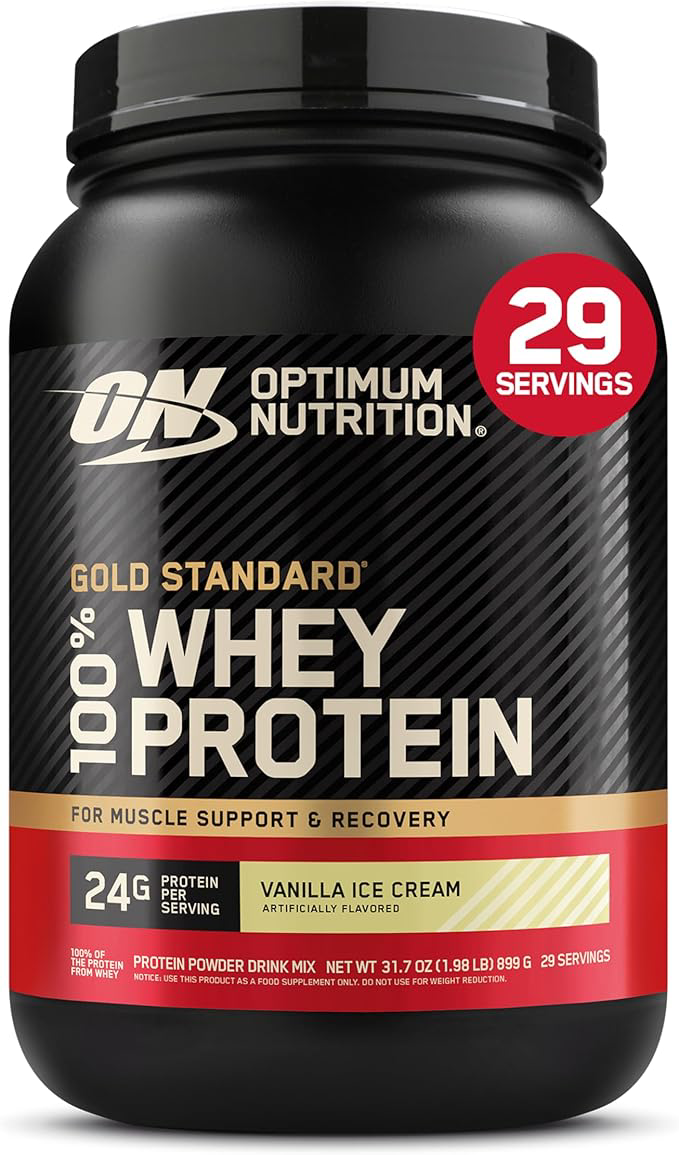
- Protein powder: The most direct route. A scoop of whey, casein, or plant-based powder (like pea, brown rice, or hemp) can add 15-25 grams of protein. Unflavored varieties let other ingredients shine.
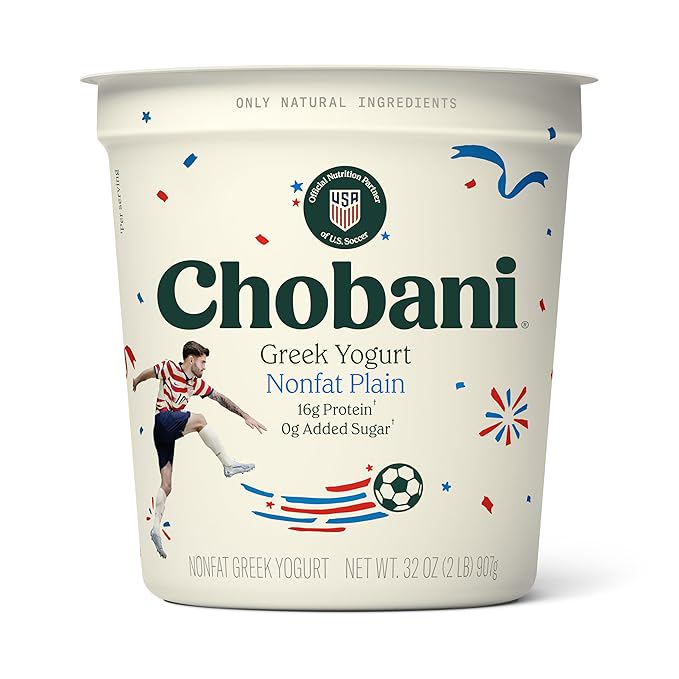
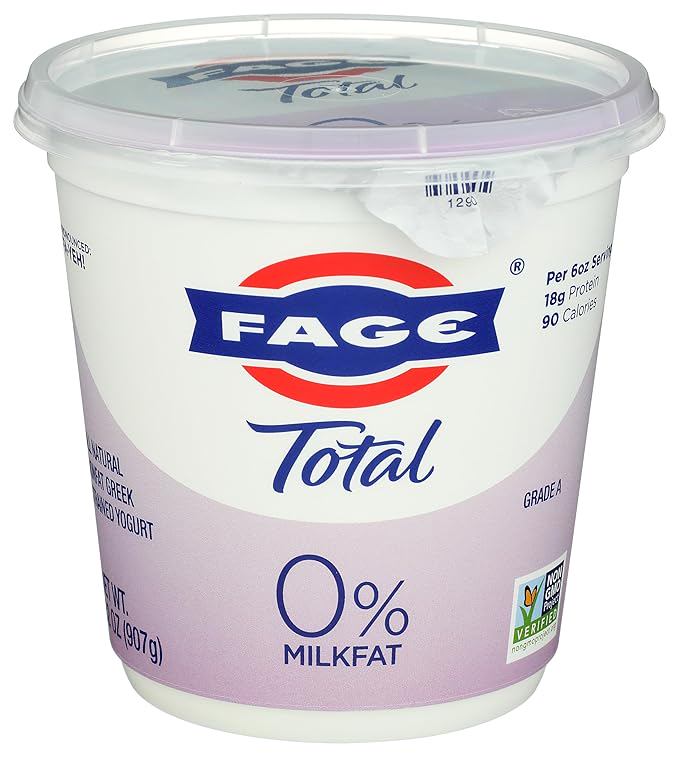
- Greek yogurt or skyr: Adds creaminess, tang, and a big protein punch (15-20 grams per ¾ cup).
- Cottage cheese: Blends up surprisingly smooth and is packed with casein protein, which digests slowly for prolonged fullness.
- Silken tofu: A fantastic neutral-tasting, plant-based option that creates a luxuriously thick texture.
- Nut or seed butter: A tablespoon of peanut, almond, or sunflower seed butter adds healthy fats, flavor, and 3-7 grams of protein.
Step 3: Include fruits and vegetables
This is for flavor, fiber, vitamins, and natural sweetness. Using frozen fruit gives you that thick, milkshake-like consistency.
- Fruits: Berries, banana, mango, pineapple, or peach.
- Vegetables: A handful of spinach or kale blends in without a strong taste. Cooked, frozen zucchini or cauliflower are other great stealth options for creaminess.
Step 4: Consider healthy extras (optional)
These are boosters, not essentials, but they can enhance nutrition and flavor.
- For fiber & fats: A tablespoon of chia seeds, ground flaxseed, or hemp hearts.
- For flavor: A dash of cinnamon, vanilla extract, or unsweetened cocoa powder.
- For sweetness: A pitted date, a drizzle of honey or maple syrup, if needed.
Step 5: Blend and adjust
Secure the lid and start blending on low, then gradually increase to high until completely smooth. This usually takes 30-60 seconds. Stop and scrape down the sides if needed. Give it a taste. Is it too thick? Add a splash more liquid. Not sweet enough? Add half a date. Then pour and enjoy immediately for the best texture and nutrient quality.
Two simple templates to try
To get you started, here are two balanced, delicious examples.
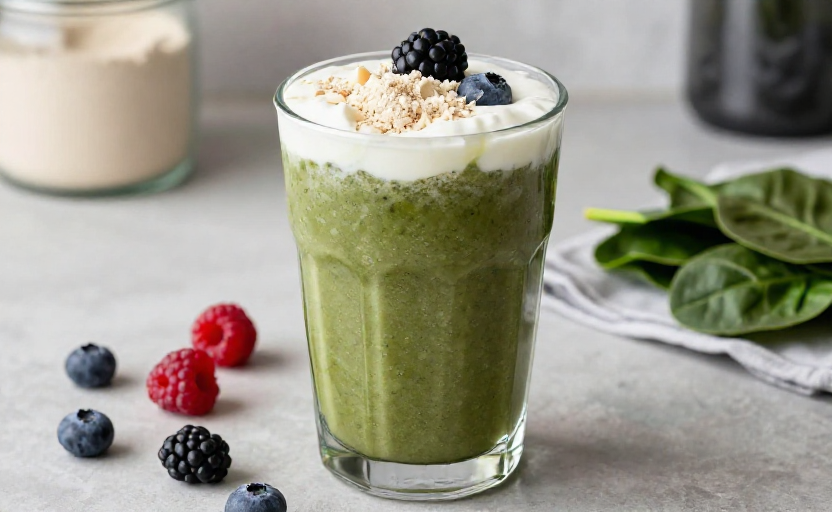
The Classic Berry Cream
1 cup unsweetened almond milk
¾ cup plain Greek yogurt
1 cup frozen mixed berries
1 tablespoon almond butter
Handful of spinach
A dash of vanilla extract
The Chocolate Peanut Butter Cup
1 cup milk (dairy or soy)
1 scoop chocolate protein powder
½ a frozen banana
1 tablespoon peanut butter
1 tablespoon unsweetened cocoa powder
Ice cubes (if banana isn’t frozen)
Common questions about high-protein smoothies
Can I make a smoothie ahead of time?
For the best texture and to prevent nutrient degradation, it’s ideal to drink your smoothie right after blending. If you must prep ahead, store it in a sealed jar in the fridge for up to 24 hours. Give it a vigorous shake or a quick re-blend before drinking, as separation is natural.
Are protein powders necessary?
Not at all. While they are a convenient and efficient source, you can absolutely build a high-protein smoothie using whole foods like Greek yogurt, cottage cheese, tofu, and nut butters. It’s about finding what works for your taste and dietary preferences.
My smoothie is too thin/thick. How do I fix it?
This is an easy fix. If it’s too thin, add more frozen fruit, a handful of ice, or a scoop of yogurt. If it’s too thick and won’t blend, add more liquid, one tablespoon at a time, until it moves freely.
Is a high-protein smoothie a good meal replacement?
When built with balance—containing protein, healthy fats, fiber, and complex carbs from whole foods—a smoothie can be a complete and satisfying meal. For a true meal replacement, ensure it’s substantial enough (typically 300-500 calories) and isn’t just fruit and protein powder in water.