
What you eat after a workout doesn’t just refuel your muscles — it can also help quiet inflammation in your body and, yes, even protect your teeth and gums. The window after exercise is a prime time to give your body ingredients that support recovery, reduce oxidative stress, and keep your mouth healthy. Here’s how to build a post-workout meal that does all three.
Why post-workout nutrition matters for inflammation and oral health
Exercise naturally creates a temporary inflammatory response: tiny tears in muscle fibers signal your body to repair and rebuild. But chronic, low-grade inflammation is different — it’s linked to heart disease, diabetes, and even gum disease. A smart post-workout meal can help dial down that systemic inflammation while also delivering nutrients that strengthen teeth and fight oral bacteria.
Your mouth is the gateway to your body. Foods that reduce inflammation throughout your system also benefit your gums, and key nutrients like vitamin C, calcium, and polyphenols are critical for keeping your oral microbiome balanced. When you combine these with protein and healthy fats post-exercise, you set yourself up for better recovery and a healthier smile.
The core components of an anti-inflammatory, mouth-friendly post-workout meal
Think of your plate as having three parts: a lean or plant-based protein source, colorful vegetables or fruits rich in antioxidants, and a small amount of healthy fat. That fat helps your body absorb fat-soluble vitamins like A, D, E, and K, which support gum tissue and enamel integrity.
Aim for a mix of protein, produce, and healthy fat within 30–60 minutes after exercising for the best recovery and inflammation control.
Protein: repair muscles without stoking inflammation
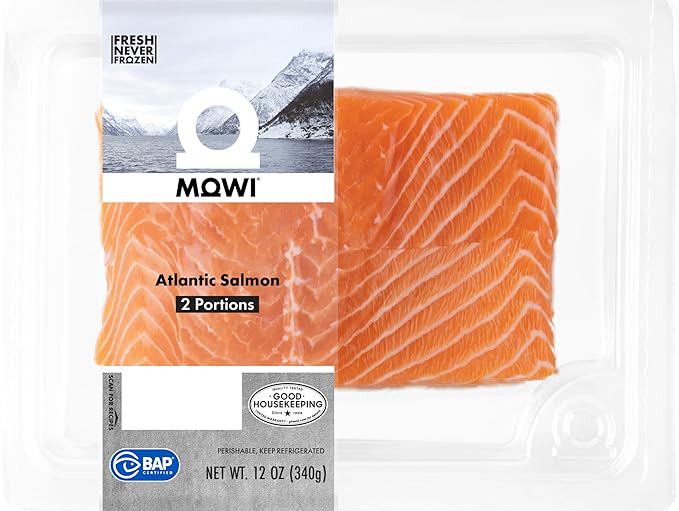
Choose high-quality proteins that are low in saturated fat. Fatty fish like salmon or sardines provide omega-3 fatty acids, which are well-researched for their anti-inflammatory effects. If you prefer plant-based options, lentils, chickpeas, or tempeh offer fiber and polyphenols that also support oral health.
Colorful produce: antioxidants for your whole body
Dark leafy greens like spinach and kale are rich in magnesium, a mineral often low in people with high inflammation. They also provide vitamin K, which helps regulate calcium — essential for strong teeth. Berries, bell peppers, and sweet potatoes add vitamin C, important for gum tissue repair and collagen production.
Healthy fats: fight inflammation and aid absorption
Avocado, olive oil, nuts, and seeds deliver monounsaturated fats and vitamin E. These have been shown to reduce inflammatory markers like interleukin-6. Plus, the same fats can help reduce gum inflammation by supporting cell membrane health.
Meal ideas that check all the boxes
Here are three concrete examples of post-workout meals that fight inflammation and support oral health:
- Smoked salmon on whole-grain toast with mashed avocado and a handful of baby spinach. Add a squeeze of lemon for vitamin C.
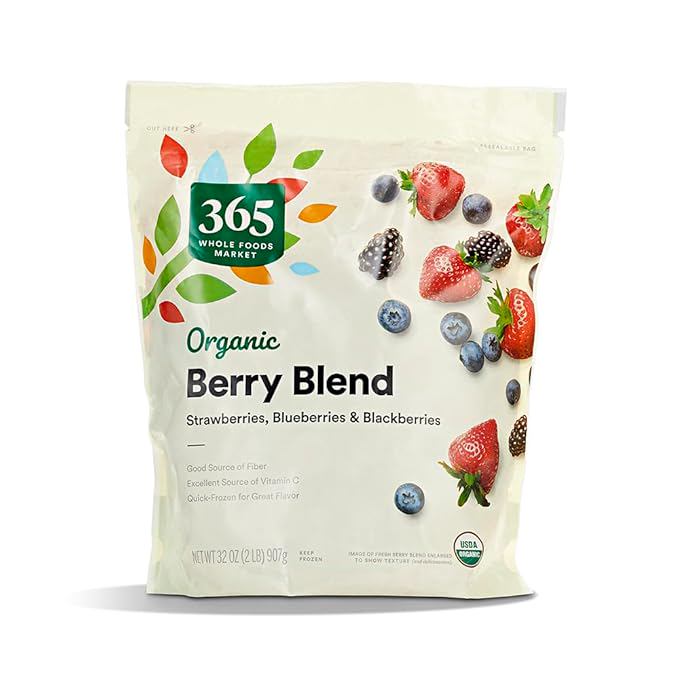
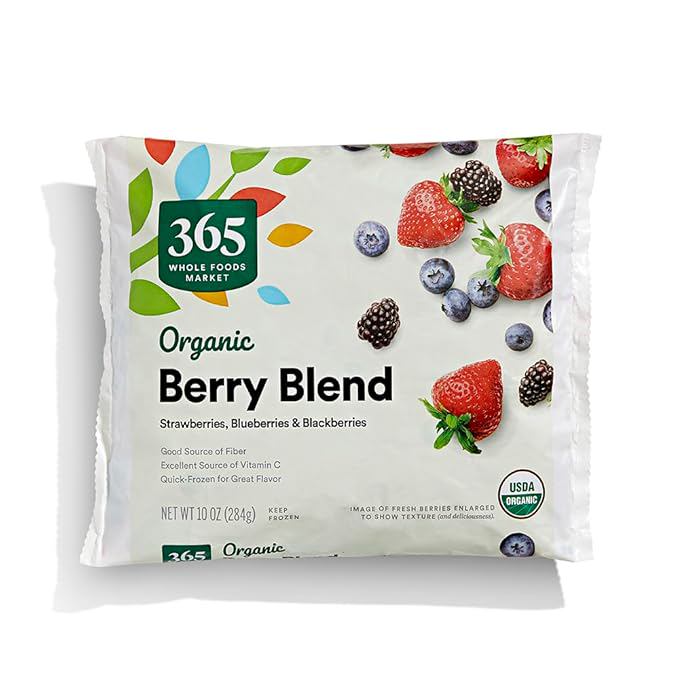
- Greek yogurt parfait with mixed berries (frozen works), a tablespoon of walnut pieces, and a drizzle of honey. The yogurt provides calcium for enamel, and the berries deliver anthocyanins that reduce gum inflammation.
- Lentil and sweet potato bowl with chopped kale, a tahini-lemon dressing, and pumpkin seeds. Lentils and seeds are rich in zinc, which helps fight oral bacteria and supports healing.
What to avoid in a post-workout meal
Just as important as what you include is what you leave out. Sugary sports drinks, granola bars with added sugar, and refined-carb snacks like white crackers can spike blood sugar and promote inflammation. They also feed cavity-causing bacteria in your mouth. If you need quick energy, stick with whole fruit or unsweetened coconut water.
Similarly, highly processed meats like bacon or deli slices contain advanced glycation end products (AGEs) that increase oxidative stress. Choose fresh or minimally processed proteins instead.
Hydration matters more than you think
Water is your post-workout beverage of choice — it helps flush out metabolic waste and keeps your mouth moist, which is critical for saliva production. Saliva neutralizes acids, washes away food particles, and delivers minerals to your teeth. If you want a little flavor, try adding a slice of lemon, cucumber, or mint. Avoid acidic fruit juices or sweetened teas, which can erode enamel and feed oral bacteria.
Don’t forget timing
Eating within two hours of a workout is ideal for recovery, but the first 30 minutes are especially effective for replenishing glycogen and starting muscle repair. If you can’t manage a full meal, a small snack like an apple with almond butter or a hard-boiled egg with a handful of blueberries will still deliver anti-inflammatory and oral-health benefits.
Building a post-workout meal that fights inflammation and supports oral health doesn’t require fancy ingredients or complicated recipes. Focus on whole foods, lean protein, lots of colorful plants, and water — and your body and your smile will thank you.