
When you wake up with acne-prone skin, the first few minutes of your day can feel like a gamble. Will that new cleanser calm things down, or will you end up with more bumps by lunch? A thoughtful morning routine acts as a commitment to your skin's stability—not with a ten-step regimen, but with deliberate, restorative choices.
Experts consistently say that less is more for acne-prone complexions. The goal isn't to strip every trace of oil, but to support your skin barrier while keeping pores clear. Here's how to build a morning lineup that actually works with your skin, not against it.
Start with a gentle, non-stripping cleanse
Your nighttime skincare likely did the heavy lifting—retinoids, exfoliants, or prescription treatments. Overnight, your skin also goes through repair. In the morning, you don't need a deep scrub. What you need is a rinse that removes sweat, excess sebum, and leftover product residue without disrupting your pH.
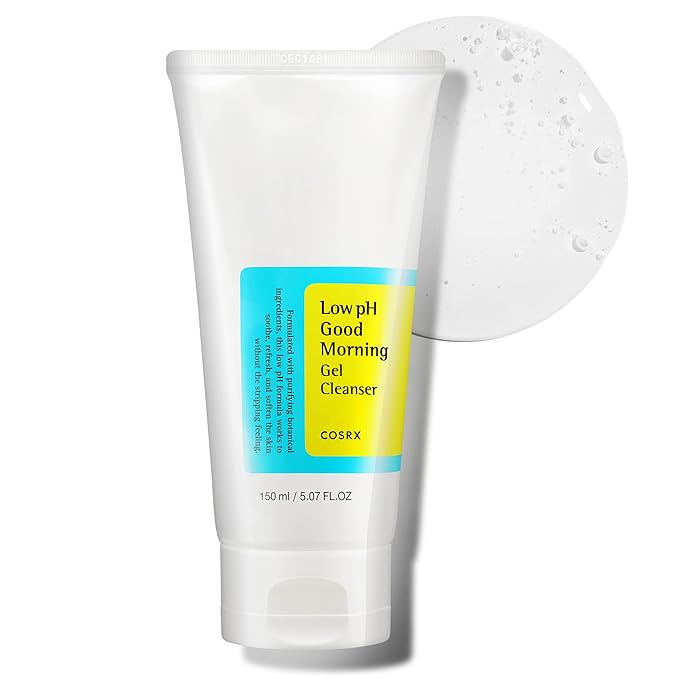
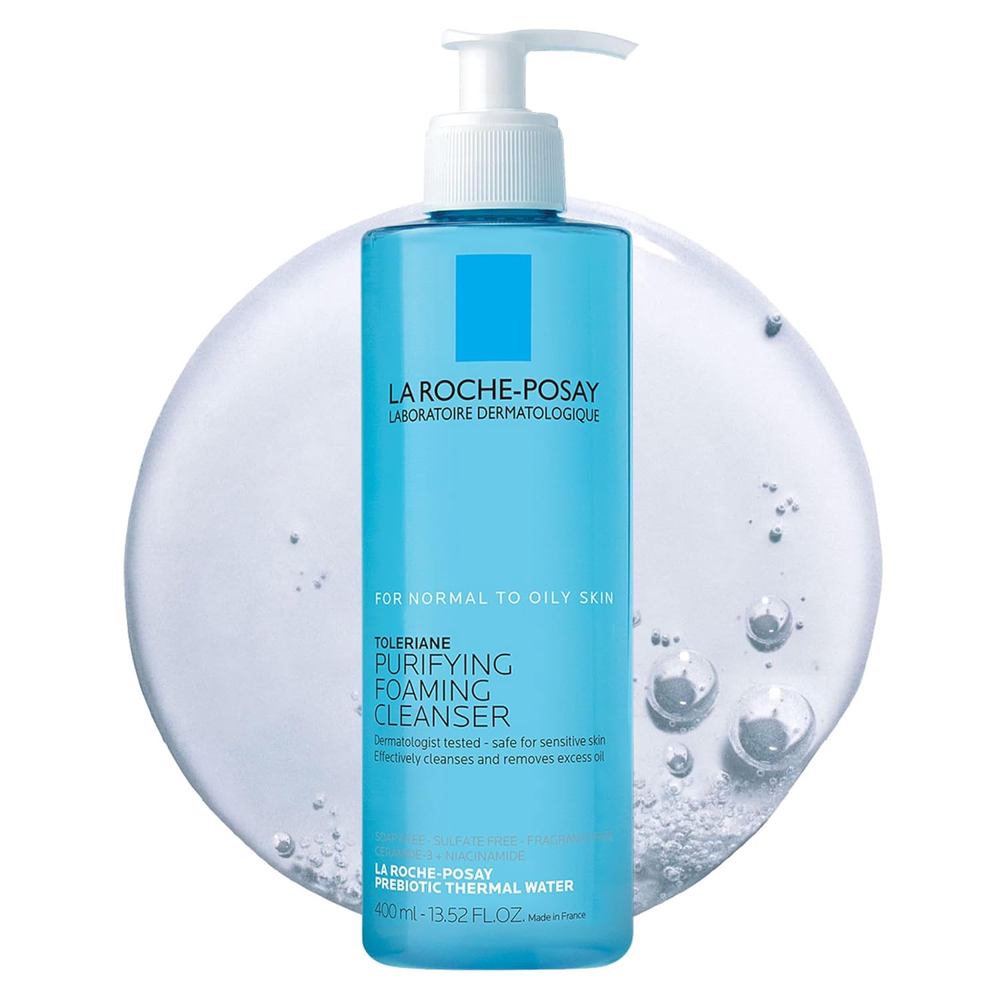
Dermatologists often recommend a creamy or gel-based cleanser with ingredients like ceramides or low-concentration salicylic acid (0.5% to 1%). Avoid foaming cleansers with sodium lauryl sulfate, which can trigger irritation and rebound oil production.
Tip: If your skin feels tight or dry after washing, your cleanser is too harsh. Switch to a milky or hydrating formula for your morning wash.
Apply a targeted treatment (only if your skin tolerates it)
Some people with acne thrive with a morning active ingredient—something to keep pores clear and bacteria in check. Niacinamide is a standout here. It's an anti-inflammatory form of vitamin B3 that helps regulate sebum production, reduces redness, and strengthens the skin barrier.
For those who find benzoyl peroxide too irritating for day use, a low-concentration (2.5%) leave-on wash or gel can be applied as a spot treatment on active breakouts. But hold off if you're already using a retinoid at night; combining strong actives morning and night can trigger a painful rash.
If your skin is reactive or you're new to actives, skip this step entirely. Hydration and protection are non-negotiable; treatments are optional.
Hydrate without clogging pores
Acne-prone skin often gets dehydrated because of drying treatments. Dehydration makes fine lines more visible and can cause the skin to overproduce oil as a defense mechanism. A lightweight, non-comedogenic moisturizer is essential—even if you have oily skin.
Look for gel or water-based formulas with ingredients like hyaluronic acid, glycerin, or squalane. Avoid heavy creams with coconut oil, shea butter, or petrolatum near your T-zone. A pea-sized amount is enough for the whole face.
If you're prone to persistent acne, try a moisturizer containing niacinamide or ceramides to support barrier repair while keeping oil in check.
Protect with a high-quality sunscreen—no exceptions
This step is the single most important part of your morning routine for acne-prone skin. Many ingredients that heal acne (like retinoids, salicylic acid, and benzoyl peroxide) make your skin more sensitive to UV damage. A sunburn can worsen inflammation, darken existing acne scars, and slow healing.
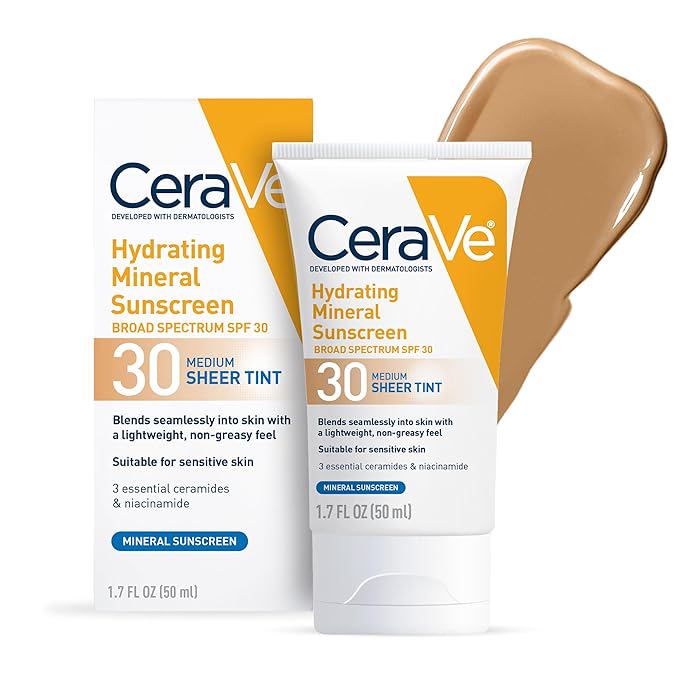
Choose an oil-free, non-comedogenic sunscreen with at least SPF 30. Mineral sunscreens containing zinc oxide or titanium dioxide are well-tolerated and less likely to cause breakouts. Look for labels that say "matte finish" or "oil absorbing" if shine is a concern. Reapply if you are outdoors more than two hours.
A common mistake is skipping sunscreen on cloudy days or when staying indoors—but UVA rays penetrate through windows and can contribute to hyperpigmentation.
Putting it all together: sample morning order
- Rinse with lukewarm water and use a gentle gel or cream cleanser.
- Pat skin dry (do not rub).
- Apply a niacinamide serum if you use one.
- Apply a lightweight, water-based moisturizer.
- Finish with an oil-free, mineral sunscreen of SPF 30 or higher.
Stick to this sequence for at least four weeks before evaluating results. Acne treatments—even gentle ones—need time to regulate sebum and cell turnover.
Common mistakes that sabotage a clear complexion
Even a well-intentioned routine can backfire. Here are the top things experts say to avoid:
- Over-washing or scrubbing: Washing more than twice a day or using abrasive scrubs strips the protective barrier, leading to more breakouts and dryness.
- Skipping moisturizer out of fear of oiliness: Without moisture, pores actually produce more oil to compensate, which clogs them further.
- Piling on multiple active ingredients: Layering a vitamin C serum, salicylic acid, and benzoyl peroxide in one morning can cause chemical burns. Pick one targeted active if any.
- Choosing the wrong sunscreen: Thick, chemical sunscreens with fragrances or silicones can trap sweat and bacteria. Stick to mineral-based formulations.
When to see a professional
If you've been consistent with your morning routine for eight to twelve weeks and you see no improvement—or if your acne is painful, cystic, or leaving scars—it is time to consult a board-certified dermatologist. They may recommend prescription topicals, oral medications, or in-office treatments such as chemical peels or laser therapy that cannot be replicated with over-the-counter products.
A morning routine can't cure every form of acne, but it can significantly reduce flares and support your skin's natural resilience. Choose products with care, protect your barrier, and give your skin the time it needs to respond.