Pulling together a meal that supports digestion doesn't have to mean spending an hour in the kitchen. A gut-healthy vegetarian bowl can be ready in 15 minutes or less, and it's the kind of meal that leaves you feeling steady and satisfied—not heavy or sluggish. The trick is to choose ingredients that work with your digestive system, not against it: think prebiotic-rich vegetables, high-fiber legumes, and a handful of fresh toppings that add flavor without irritation.
Below is a flexible blueprint you can adapt with whatever you have on hand. It centers on red lentils, which cook quickly, deliver plenty of plant-based protein, and act as a gentle base for a range of toppings.
What makes a bowl 'gut healthy'?
A bowl is gut supportive when it includes three main elements: fiber to feed beneficial bacteria, a modest amount of protein for satiety, and healthy fats that help you absorb fat-soluble vitamins. It should also be low in added sugars and processed ingredients, which can disrupt the microbiome. The beauty of a bowl format is that it naturally encourages variety—you can swap in different vegetables, grains, or legumes depending on what's in season or what your digestion tolerates best.
Start with a legume base: red lentils
Red lentils are a smart choice for a fast bowl because they break down quickly during cooking, require no soaking, and deliver a creamy texture that pairs well with crisp toppings. They're rich in soluble fiber (the type that helps feed good gut bacteria) and provide a steady supply of plant-based iron and magnesium. Unlike some beans that can cause bloating in sensitive individuals, red lentils are generally well tolerated, especially when cooked with a bit of ginger or cumin.
The 15-minute assembly guide
This isn't a rigid recipe—think of it as a template. Cook time is the main constraint; prep can happen while the lentils simmer.
- Cook the lentils. Rinse ½ cup red lentils. Add them to a small pot with 1 cup water or vegetable broth. Bring to a boil, then reduce to a simmer. Cook for 10–12 minutes until tender. Stir occasionally to prevent sticking.
- Warm your grain or green base. If you have leftover cooked quinoa, brown rice, or even a handful of spinach, use that as your foundation. If starting from scratch, try a bag of pre-cooked grains (just heat for 60 seconds) or use raw baby greens.
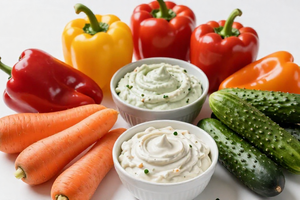
- Add a vegetable component. Quick options: a handful of cherry tomatoes halved, shredded carrots, thinly sliced cucumber, or steamed broccoli florets. For extra prebiotic fiber, consider a few tablespoons of cooked or raw onion or a sprinkle of garlic.
- Top with a healthy fat. A drizzle of olive oil, a spoonful of tahini, or a few slices of avocado work well. Coconut milk (as used in the original lentil soup recipe) also contributes medium-chain triglycerides that are easy to digest.
- Finish with a punch of flavor. Lemon juice, a pinch of black pepper, fresh coriander, or a sprinkle of roasted flax seeds add texture and polyphenols without overwhelming the bowl.
Tip: If you want the bowl warmer and more soup-like, add an extra splash of broth or coconut milk and let it all come together for another minute before serving.
Why this bowl works for your microbiome
The ingredients in this 15-minute bowl each play a supporting role. The soluble fiber in lentils and the prebiotic compounds in onions and garlic help maintain a diverse gut environment. The healthy fats from coconut milk or avocado support the absorption of fat-soluble vitamins found in the vegetables. Even the simple act of adding fresh herbs and lemon juice provides polyphenols—plant compounds that act as fuel for beneficial gut bacteria.
Beyond the gut, red lentils contribute folate, iron, and zinc, making this bowl especially suitable for a range of life stages, including pregnancy and later years when nutrient density matters. A 2020 review in Nutrients noted that regular consumption of legumes is associated with a lower risk of chronic disease, in part due to their effects on gut health.
Practical customization tips
- If lentils cause any discomfort, use canned, rinsed chickpeas or black beans instead.
- For a lower-carb version, skip the grains and double the greens and non-starchy vegetables.
- To boost the probiotic content, add a tablespoon of plain fermented vegetables such as sauerkraut or kimchi on top after cooking (so the heat doesn't kill the live cultures).
- If you need extra protein, add a poached egg or a handful of hemp seeds.
A note on speed and planning
The 15-minute target assumes you have a few basics prepped: rinsed lentils, washed produce, and maybe a batch of cooked grains from earlier in the week. Even without those, this bowl is faster than most takeout. The red lentil soup from the original recipe can be adapted into a bowl simply by reducing the liquid and serving it over grains or greens. The same principle applies: keep the ingredients simple, let the lentils do the heavy lifting, and finish with something fresh and bright.
Whether you're feeding a family or just yourself on a busy evening, this bowl is proof that eating for gut health doesn't require complicated cooking or rare ingredients. It's just real food, assembled thoughtfully, ready in the time it takes to set the table.