
When summer heat drains your energy, the last thing you want is to spend an hour over a hot stove. The solution? A one-pan dinner that comes together in 10 minutes and can go straight into the freezer for later. Celebrity nutritionist Pooja Makhija recently shared a smart, balanced sandwich idea on Instagram that fits this exact brief—fast, cool, and packed with protein, carbs, fats, vitamins, and minerals. The genius part: you prep it once, freeze it, and have a ready meal whenever you need it.
Here's how to build your own freezer-friendly one-pan dinner in under ten minutes, using ingredients you probably already have on hand.
What you need for a 10-minute freezer meal
The beauty of this approach is flexibility. Start with a base of bread or a sturdy wrap, then layer on a protein-rich spread, fresh veggies, and a flavorful sauce. For the version inspired by Makhija, gather:
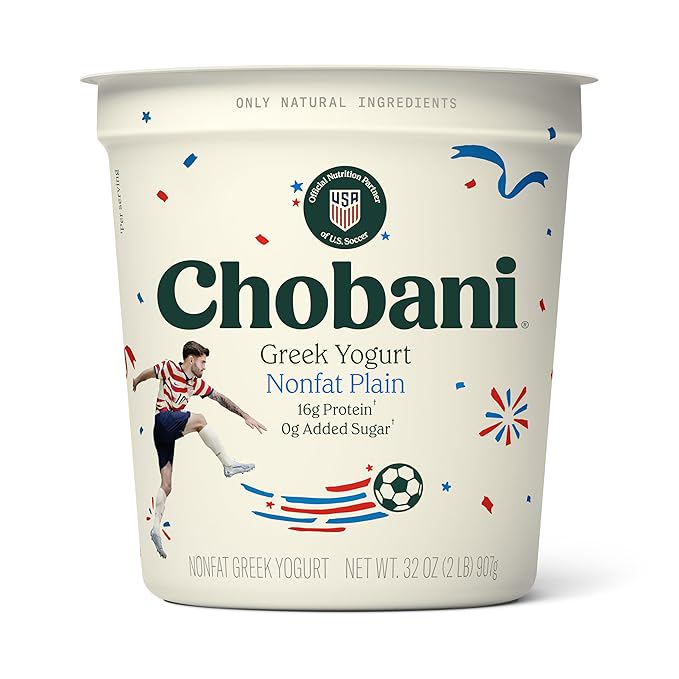
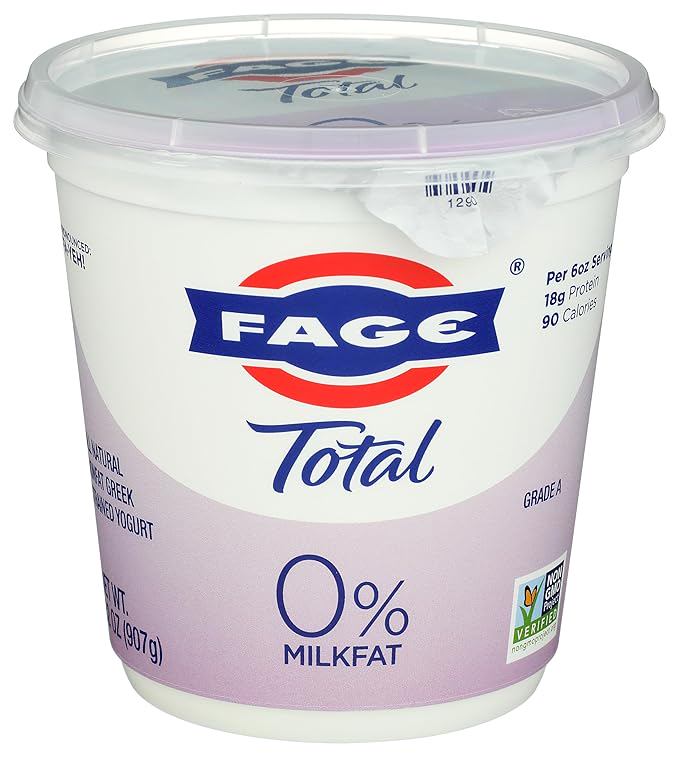
- Hung curd (Greek yogurt works great as a substitute)
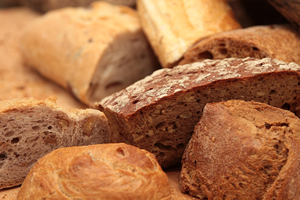
- 2 slices of your favorite bread
- 1 cucumber, thinly sliced lengthwise
- Pesto (store-bought or homemade)
- Veggies of choice — sautéed mushrooms and bean sprouts add protein and texture
That's it. No complicated ingredients, no long prep.
Step-by-step: assemble in 10 minutes
This method works for almost any filling combination, but here's the exact sequence for a balanced, freezer-friendly sandwich:
- Spread hung curd evenly on one slice of bread. This acts as a creamy, protein-rich base that freezes well.
- Layer cucumber slices diagonally, overlapping slightly. Cucumber adds hydration and a cooling crunch.
- Trim the edges if you like a cleaner look (optional, but helps prevent sogginess when freezing).
- Spread pesto on the inside of the second bread slice. The herbs and oil help preserve flavor during freezing.
- Add your veggies. Makhija recommends sautéed mushrooms and bean sprouts for an extra protein boost.
- Press gently, cut in half, and freeze in a sealed container or wrap tightly in parchment.
Pro tip: For best results, freeze sandwiches individually on a baking sheet first, then transfer to a zip-top bag. This prevents them from sticking together.
Why cucumbers are a summer staple
This sandwich wouldn't be the same without cucumbers, and they bring more than just crunch. At 96% water, cucumbers are one of the most hydrating foods you can eat during hot weather. They also act as a natural coolant, which is why traditional eating patterns in many warm climates include them in almost every meal.
Three science-backed benefits of cucumbers
Hydration and gentle detox: Because cucumbers are mostly water, they help maintain fluid balance without adding many calories. Some people also infuse water with cucumber and mint to support the body's natural elimination processes.
Blood pressure regulation: Cucumbers provide potassium, magnesium, and dietary fiber—three nutrients linked to healthy blood pressure levels. Regular consumption of cucumber juice has been associated with better cardiovascular markers in some studies.
Digestive support: The soluble fiber in cucumbers slows digestion slightly, which can help stabilize blood sugar after meals. The high water content also softens stools, making them easier to pass if you struggle with constipation.
How to make your one-pan dinner truly freezer-friendly
The key to freezing sandwiches without turning them into soggy, sad rectangles is moisture management. Here are a few principles to follow:
- Use spreads as barriers. Hung curd, pesto, hummus, or cream cheese create a seal that keeps moisture from veggies away from the bread.
- Pat vegetables dry before layering. Extra moisture is the enemy of frozen bread.
- Wrap tightly. Press out as much air as possible before sealing. Freezer burn ruins texture.
- Label with the date. Most frozen sandwiches stay good for about 1–2 months.
Reminder: This article is for general wellness education. It does not replace personalized medical advice. Always consult a healthcare provider for dietary changes that affect your specific health conditions.
Customize your 10-minute freezer dinner
The template above is just a starting point. You can swap ingredients based on what's in your fridge or what you're craving:
- Protein: Use hummus, smashed chickpeas, or cottage cheese instead of hung curd.
- Spread: Try sun-dried tomato paste, tapenade, or even a thin layer of mustard.
- Veggies: Roasted bell peppers, shredded carrots, or spinach all freeze reasonably well.
- Bread: Whole-grain, sourdough, or even gluten-free wraps work—just choose something sturdy.
The goal is a balanced meal that tastes good after thawing, not a gourmet creation. Keep it simple, and you'll actually want to eat it on a busy weeknight.