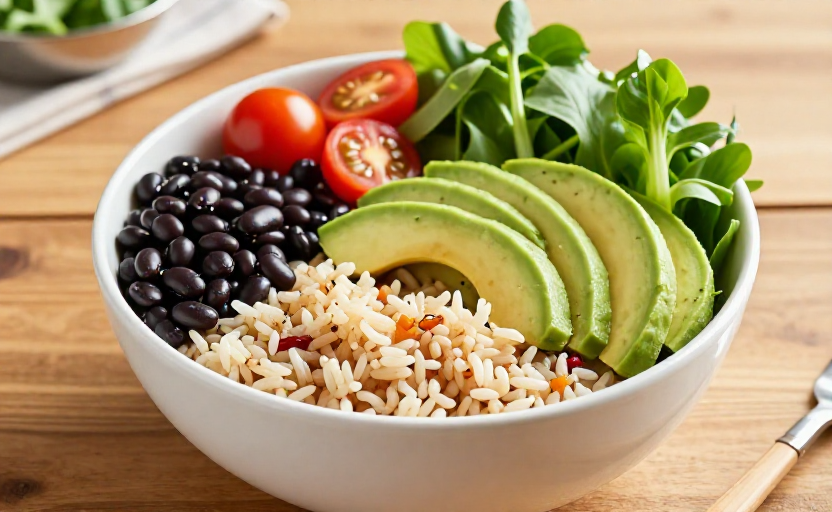
Building a balanced, satisfying meal on a busy weeknight often feels like a trade-off between speed, nutrition, and cost. You want something that fills you up without draining your wallet or keeping you in the kitchen for an hour. A well-constructed vegetarian bowl can check all those boxes, and with a little planning, you can have one on the table in about ten minutes.
This approach isn't about a single rigid recipe. It's a flexible framework that works with whatever vegetables, grains, and proteins you have on hand. The goal is a bowl that delivers steady energy, a variety of textures, and enough flavor to make you forget it came together in a flash.
What makes a vegetarian bowl truly balanced?
A bowl that keeps you satisfied for hours needs three core components: a source of complex carbohydrates for sustained energy, a plant-based protein for repair and satiety, and vegetables for fiber, vitamins, and color. A healthy fat—like avocado, nuts, or a simple dressing—adds richness and helps your body absorb fat-soluble nutrients. When you hit these elements, you don't need to count ingredients or stress over portion sizes.
The budget-friendly formula starts with smart shortcuts
You can shave minutes off your prep time without sacrificing quality by relying on a few pantry staples and ready-to-use items:
- Cooked grains on hand: Make a batch of brown rice, quinoa, or farro over the weekend. It keeps for days in the fridge and becomes the bowl's sturdy base.
- Canned beans are your shortcut: Chickpeas, black beans, or lentils from a can (rinsed well) cost pennies per serving and need no cooking.
- Frozen vegetables that steam in the microwave: Broccoli, edamame, corn, or peas are just as nutritious as fresh and are often cheaper. A quick 90-second steam and they're ready.
- Pre-washed greens or bagged slaw: A handful of spinach, arugula, or shredded cabbage adds bulk and crunch without any chopping.
Five-minute assembly: your simple bowl blueprint
- Start with your grain base. Scoop about half a cup of pre-cooked grain into your bowl. If you don't have leftovers, use a quick-cooking grain like quick oats or microwaveable brown rice pouches (watch for sales to keep it budget-friendly).
- Add your protein. Drain and rinse a can of chickpeas or black beans. You can eat them straight from the can, or give them a quick warm-up in the microwave. A sprinkle of salt, cumin, or chili powder does wonders.
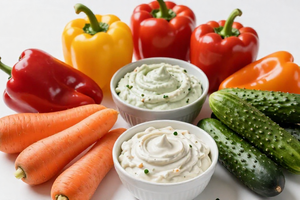
- Pile on vegetables. Toss in a generous handful of greens. Then add a portion of steamed frozen broccoli or corn. If you have a fresh vegetable like a bell pepper or a tomato, slice it in and add it now.
- Top with a healthy fat. A quarter of an avocado, a tablespoon of pumpkin seeds, or a drizzle of olive oil works perfectly. This step makes the bowl feel complete.
- Finish with a simple dressing or sauce. A squeeze of lemon juice, a splash of your favorite vinaigrette, or a dollop of plain yogurt mixed with a pinch of salt and garlic powder is enough to tie everything together.
Three budget combos you can make in 10 minutes
Tex-Mex bowl
Combine brown rice, canned black beans (rinsed), frozen corn (thawed), a handful of baby spinach, and a few spoonfuls of salsa. Top with a slice of avocado or a little shredded cheese if you have it. No dressing needed—the salsa does the work.
Mediterranean-inspired bowl
Start with quinoa or couscous. Add canned chickpeas, chopped cucumber (or any crunchy vegetable), a handful of cherry tomatoes, and a drizzle of olive oil and lemon juice. A pinch of dried oregano or za'atar adds depth.
Simple green bowl with edamame
Use a base of leftover rice or farro. Top with frozen edamame (thawed and shelled), steamed broccoli, and a handful of arugula. Dress with a mix of soy sauce, rice vinegar, and a tiny bit of sesame oil.
Tip: Keep a small jar of your go-to dressing in the fridge. A simple mix of olive oil, vinegar, mustard, and salt can transform any bowl in seconds.
How to keep costs low without losing flavor
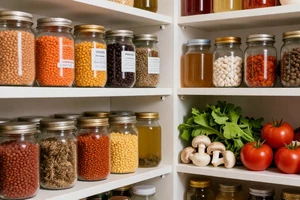
Eating well on a budget is about choosing ingredients that pull double duty. Dry grains and beans are incredibly cheap and store well, so buying them in bulk saves money over time. Frozen vegetables are almost always cheaper than fresh—and they won't spoil. When you do buy fresh produce, go for what's in season or on sale. A single bell pepper or a leftover sweet potato can elevate a bowl for pennies.
Spices and condiments are a one-time investment that keeps paying off. A small collection of salt, pepper, cumin, smoked paprika, chili flakes, and a bottle of vinegar or soy sauce gives you endless variety without buying new ingredients each week.
Frequently asked questions about building a quick vegetarian bowl
Can I meal prep these bowls for the week?
Yes. Cook a large batch of grains and roast a sheet pan of vegetables on Sunday. Store components separately in airtight containers. In the morning or at lunch, simply assemble your bowl. Pre-portioned beans and dressing keep everything fresh.
What if I don't have pre-cooked grains?
Use instant quinoa, couscous, or microwaveable rice pouches as a backup. They are slightly more expensive than cooking from dry, but still budget-friendly. You can also swap grains for a base like roasted sweet potato or cauliflower rice.
How do I make sure the bowl is filling enough?
Make sure your bowl includes all three macronutrients: a fist-sized portion of grains, a good half-cup of beans or lentils, and a generous amount of vegetables. Don't skip the fat—it's what signals fullness to your brain.
Can I make this bowl gluten-free or soy-free?
Easily. Use gluten-free grains like quinoa, rice, or certified gluten-free oats. Skip soy sauce if needed and use tamari or coconut aminos. Edamame is soy, so choose chickpeas or lentils instead. The bowl is naturally dairy-free if you avoid cheese and creamy dressings.
Key Takeaways
Balanced vegetarian bowls rely on a simple formula: complex carbohydrates, plant protein, vegetables, and healthy fats.
Using pantry staples like canned beans, frozen vegetables, and pre-cooked grains makes assembly possible in under ten minutes.
Choosing budget-friendly ingredients and bulk staples keeps each bowl affordable without sacrificing nutrition.
Small flavor boosters like citrus juice, vinegar, spices, or a single dressing add variety to your weekly rotation.
Meal prepping components in advance allows you to mix and match combinations all week long.