
If your eyes feel tired, dry, or heavy by mid-afternoon, you are not alone. Prolonged screen time, poor lighting, and hours of near work tax the visual system and make it harder to concentrate. The good news is that small, intentional changes to what you eat and how you structure your day can ease eye strain and sharpen mental focus without requiring a complete lifestyle overhaul.
Below are practical, evidence-informed adjustments you can start making today — from nutrient-rich foods that support retinal health to daily habits that give your eyes and brain the breaks they actually need.
Why diet matters for eye strain and focus
The eyes are metabolically active tissues that depend on a steady supply of specific vitamins, antioxidants, and healthy fats. When the diet lacks these nutrients, the eyes become more vulnerable to dryness, fatigue, and oxidative stress — all of which contribute to the sensation of eye strain. At the same time, blood sugar swings and dehydration can directly impair attention and mental clarity.
A focus-friendly diet doesn't require exotic ingredients. It centers on whole foods that stabilize energy, reduce inflammation, and protect the delicate structures of the eye.
Key nutrients that support eye health and concentration
Lutein and zeaxanthin
These carotenoids accumulate in the macula — the part of the retina responsible for sharp central vision. They act as natural blue-light filters and antioxidants. Food sources include leafy greens like kale, spinach, and collard greens, as well as eggs (especially the yolk), corn, and orange bell peppers. Aim to include at least one serving of these foods daily to support long-term retinal resilience.
Omega-3 fatty acids
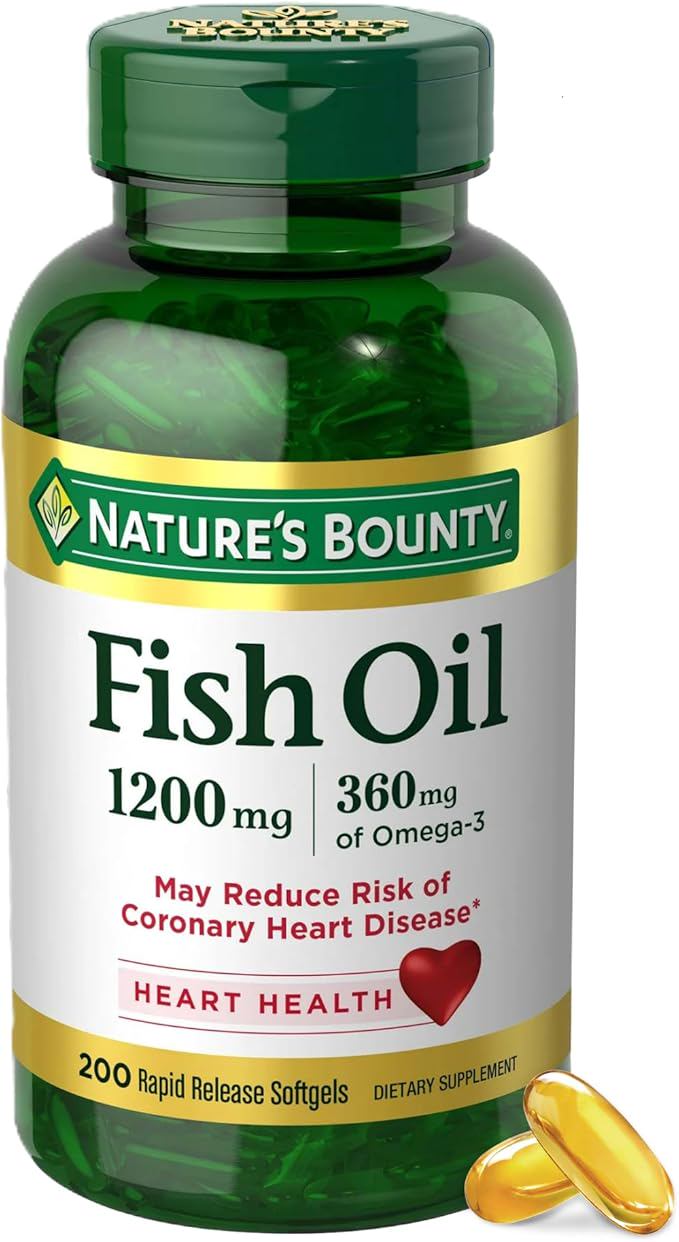
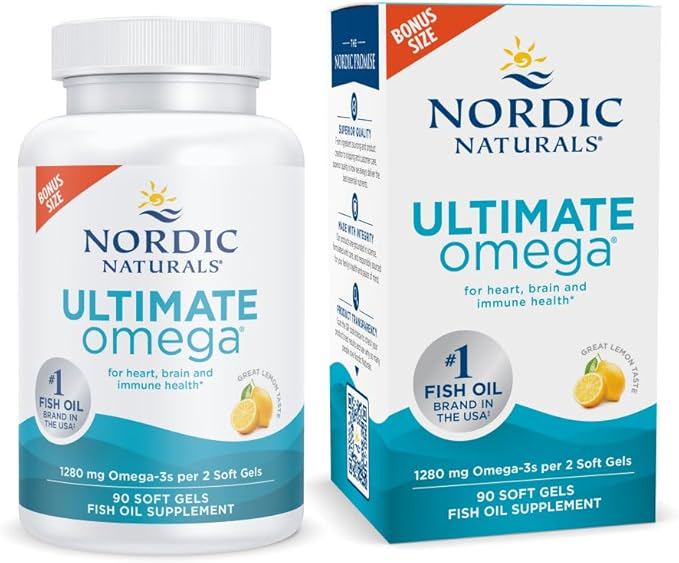
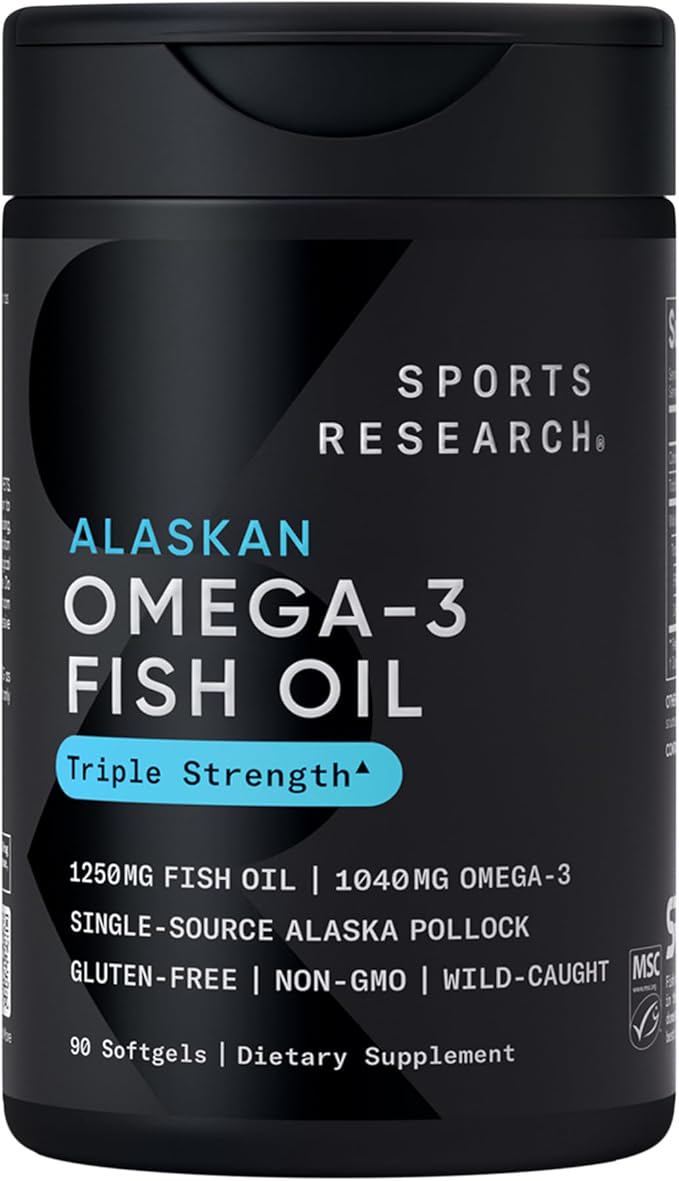
Omega-3s, particularly DHA, are structural components of retinal cell membranes. They also help regulate tear production and reduce dry eye symptoms, which often accompany screen-related eye strain. Good sources are fatty fish such as salmon, mackerel, sardines, and trout. Plant-based options include flaxseeds, chia seeds, and walnuts, though the conversion to DHA is less efficient.
Vitamin A and beta-carotene
Vitamin A is essential for low-light vision and maintaining the surface of the eyes. Beta-carotene, a precursor found in orange and yellow vegetables like carrots, sweet potatoes, and butternut squash, supports adequate vitamin A levels. Pair these foods with a small amount of fat — such as olive oil or avocado — to improve absorption.
B vitamins and magnesium
The B-vitamin complex — especially B6, B12, and folate — supports neurotransmitter function and energy metabolism in the brain. Magnesium aids in muscle relaxation (including the tiny muscles that control the lens of the eye) and helps calm the nervous system. Whole grains, legumes, nuts, seeds, and leafy greens provide both B vitamins and magnesium in a single meal.
Hydration and blood sugar balance
Dehydration reduces tear volume, making eyes feel gritty and strained. It also lowers blood volume, which can trigger fatigue and brain fog. Aim for consistent water intake throughout the day — not just when you feel thirsty. Herbal teas and water-rich fruits like cucumber, watermelon, and oranges count toward your total.
Blood sugar fluctuations are another hidden culprit. A high-carb, low-protein lunch can cause a sharp glucose spike followed by a crash, leaving you drowsy and unable to focus. To keep energy steady, pair complex carbohydrates (quinoa, sweet potato, brown rice) with lean protein (chicken, tofu, beans) and a source of healthy fat (avocado, nuts, olive oil).
Daily routines that reduce visual fatigue
The 20-20-20 rule
Every 20 minutes, look at something 20 feet away for at least 20 seconds. This simple habit relaxes the ciliary muscles inside the eye that contract during near work. Set a timer or use a browser extension if you tend to lose track of time.
Adjust your workspace lighting
Harsh overhead lights and glare from windows or screens force your eyes to work harder. Position your monitor perpendicular to windows, use adjustable task lighting, and keep the screen brightness similar to the ambient light level. A warm, dimmable desk lamp can reduce contrast strain during evening work sessions.
Blink more, and more fully
People blink about half as often when staring at screens. Incomplete blinking leaves the cornea exposed and dry. Make a conscious effort to close your eyes fully and slowly several times in a row whenever you feel tightness. Artificial tears (preservative-free drops) can help if dryness persists.
Micro-breaks for focus recovery
Attention naturally wavers after 25–30 minutes of sustained concentration. Instead of forcing through, take a 5-minute break to stand, stretch, or walk a few steps. Physical movement increases blood flow to the brain and the eyes, restoring alertness more effectively than scrolling on your phone.
Foods to include — and a few to limit
- Include: dark leafy greens, eggs, fatty fish, citrus fruits, nuts, seeds, whole grains, legumes, berries, bell peppers, carrots, and plenty of water.
- Limit: high-sugar snacks, sugary sodas, refined white bread and pasta, and excessive caffeine that can dehydrate and disrupt sleep.
A single meal won't fix eye strain, but consistently choosing nutrient-dense options creates a foundation that helps both vision and cognition hold up over hours of demanding work.
Common questions about diet and eye strain
Can blue-light-blocking glasses replace dietary changes?
Not really. Blue-light glasses reduce some visual discomfort, but they don't address dryness, muscle fatigue, or the metabolic needs of the retina. A protective diet works from the inside out and pairs well with screen filters, but one does not substitute for the other.
Do supplements help with eye strain?
Some supplements — such as lutein, zeaxanthin, and omega-3s — have research supporting their role in eye health. However, whole foods provide these nutrients alongside fiber and other beneficial compounds in a way that isolated supplements cannot fully replicate. If your diet is already balanced, supplements are unlikely to provide dramatic additional benefit for routine eye strain. Always talk with a healthcare professional before starting any supplement regimen.
How quickly will I notice changes after adjusting my diet?
Some people notice reduced midday fatigue and fewer dry-eye symptoms within a week or two of improving hydration and blood sugar balance. Retinal protection from carotenoids takes longer — weeks to months of consistent intake. Focus on building habits you can maintain long-term rather than expecting overnight transformation.