The sun feels good on your skin, but over time, it leaves marks that go far beyond a tan. The medical term is photoaging—the premature aging of skin caused by repeated exposure to solar ultraviolet (UV) radiation. While wrinkles and fine lines are often accepted as a natural part of getting older, a large portion of visible aging actually comes from the sun, not from your birthday candles. Understanding exactly how sun exposure causes aging is the first step toward keeping your skin resilient for years to come.
What happens to your skin when UV rays hit
Think of your skin as a layered shield. The outermost layer, the epidermis, contains pigment-producing cells called melanocytes that try to protect you by darkening (tanning). The deeper dermis holds collagen, elastin, and blood vessels—the infrastructure that gives skin its firmness, bounce, and healthy color. When UVA rays (the longer wavelengths) penetrate deep into the dermis, they trigger a cascade of damage. They generate unstable molecules called free radicals that attack collagen and elastin fibers. Over time, these fibers break down and become disorganized, leading to sagging, leathery texture, and deep wrinkles. UVB rays, meanwhile, are shorter and more intense; they directly damage DNA in skin cells and are the primary driver of sunburns and skin cancers. Together, UVA and UVB are a one-two punch for premature aging.
“Up to 80 to 90 percent of the visible changes we associate with aging skin are actually caused by the sun,” says Dr. Stuti Khare Shukla, MD Dermatologist and founder of Elements of Aesthetics.
The difference between chronological aging and photoaging
Chronological aging is the slow, inevitable process that happens regardless of lifestyle. Skin becomes thinner, drier, and more fragile because cell turnover slows and oil production drops. Photoaging is different. It shows up as coarse wrinkles, a yellow or brownish tint, rough patches, broken capillaries, and a leathery or cobblestone texture. The damage is often uneven—more pronounced on the face, neck, chest, and the backs of the hands, areas that get the most sun. If you compare skin on your inner arm (suns-protected) to skin on your face, the difference is a living example of the sun's aging effect.
Key culprits: Collagen breakdown, elastosis, and pigment changes
Three main processes drive sun-related aging. First, collagen breakdown occurs when UV radiation triggers enzymes called matrix metalloproteinases (MMPs) that degrade collagen fibers faster than the body can rebuild them. This leaves skin slack and lined. Second, solar elastosis describes the accumulation of abnormal elastin fibers in the dermis; instead of providing bounce, they form a tangled, clumpy mess that gives skin a rough, yellowed look. Third, abnormal melanin production leads to age spots (solar lentigines), freckles, and uneven pigmentation—the telltale spots that announce, “I’ve had a lot of unprotected sun time.”
Practical prevention steps that actually work
Make sunscreen a daily habit, every season
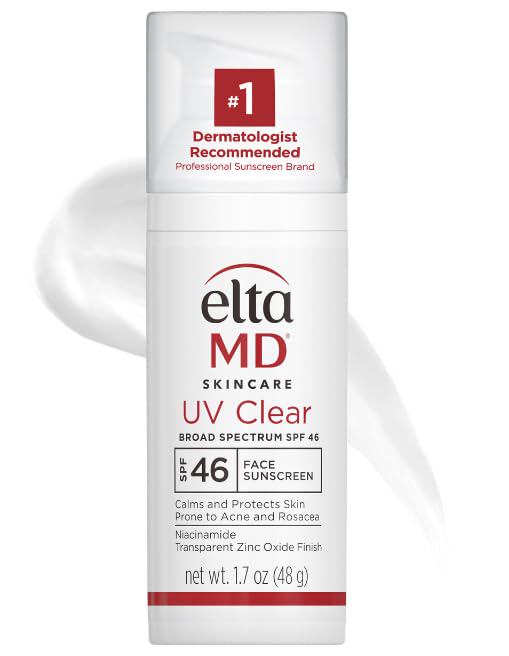
The single most effective strategy to slow sun-induced aging is consistent daily sunscreen use. Choose a broad-spectrum product (protects against both UVA and UVB rays) with at least SPF 30. Apply it every morning—even when it’s cloudy, even in winter, even if you’re mostly indoors. UV rays can pass through clouds and windows. Reapply every two hours if you’re outdoors, and don’t forget the ears, neck, and tops of your hands.
Wear protective clothing and seek shade
Clothing is a powerful physical barrier. A wide-brimmed hat, UV-blocking sunglasses, and long sleeves make a real difference. Look for clothing with an ultraviolet protection factor (UPF) label for extra assurance. When the sun is strongest—typically between 10 a.m. and 4 p.m.—aim to stay in the shade or under an umbrella during outdoor activities.
Prioritize antioxidant-rich skincare
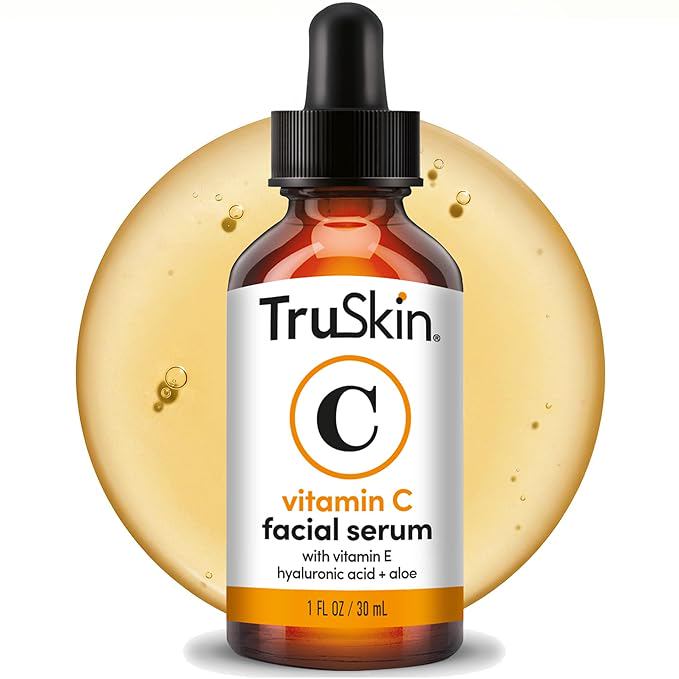
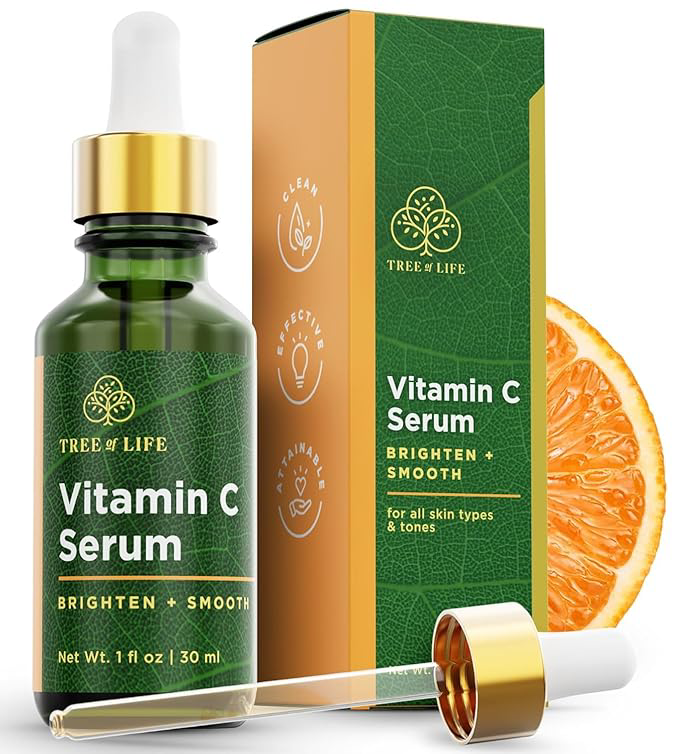
Antioxidants help neutralize free radicals before they can damage collagen and DNA. Vitamin C (L-ascorbic acid) serums applied in the morning under sunscreen have good evidence for boosting photoprotection and brightening skin. Vitamin E, ferulic acid, and green tea extracts can also help. These are complements to sunscreen, not substitutes.
Support your skin from the inside out
A diet rich in colorful fruits and vegetables delivers natural antioxidants that your body uses to repair UV damage. Foods containing lycopene (tomatoes, watermelon), beta-carotene (carrots, sweet potatoes), and omega-3 fatty acids (fatty fish, flaxseeds) may provide modest photo-protective benefits. Staying well-hydrated helps keep skin cells functioning optimally, though no food can undo the damage of chronic unprotected exposure.
What about reversing sun damage that’s already there?
While prevention is always the better path, some treatments can help improve the appearance of photoaged skin. Topical retinoids—compounds derived from vitamin A—are considered the gold standard for stimulating collagen production and speeding skin cell turnover. Prescription-strength tretinoin is effective, but over-the-counter retinol can also produce gradual improvements. Chemical peels, micro-needling, and laser resurfacing are in-office procedures that target deeper damage, but they should always be discussed with a board-certified dermatologist. No treatment can completely reverse severe photoaging, which is why protecting your skin now is so important.
A quick look at common myths
- “I only get sun damage on sunny days.” UVA radiation is constant throughout daylight hours and penetrates clouds and glass. Up to 50 percent of cumulative damage happens in the shade or on overcast days.
- “My makeup with SPF is enough.” Most people don’t apply enough foundation or powder to reach the labeled SPF level. A dedicated sunscreen under makeup gives better protection.
- “Dark skin doesn’t get sun damage.” More melanin provides some protection, but everyone—regardless of skin tone—can develop photoaging and skin cancers from UV exposure.
Understanding how sun exposure causes aging gives you the power to take simple, daily steps to keep your skin healthier longer. Sunscreen, shade, protective clothing, and a diet rich in antioxidants are accessible tools. Start now, because the best time to protect your skin was twenty years ago—the second best time is today.