
When you look in the mirror and notice your face looking a bit more hollow or gaunt than it did a few years ago, the culprit isn't just gravity or sun exposure. A less obvious but critical factor is how much protein you eat. Facial volume loss is a natural part of aging, but the speed and extent of that loss are heavily influenced by what is on your plate.
Your skin relies on collagen and elastin to maintain its plump, springy structure. These are proteins. Your body needs a steady supply of the right amino acids—the building blocks of protein—to keep manufacturing them. If your diet is consistently low in protein, the body begins to prioritize vital organs over cosmetic concerns like skin firmness. The result is a thinning dermis, less support for facial fat pads, and a more pronounced appearance of lines and hollows, particularly around the cheeks, eyes, and temples.
What happens to your face when protein is scarce?
Facial volume is not just about fat; it is about the scaffolding that holds that fat in place. That scaffolding is made of connective tissue, which is largely composed of collagen fibers. Consider these specific changes that occur with inadequate dietary protein:
- Collagen breakdown outpaces production. Without sufficient glycine, proline, and hydroxyproline—amino acids found abundantly in animal and some plant proteins—the body cannot repair the collagen network damaged by UV rays and normal metabolic processes. The skin becomes thinner and less resilient.
- Loss of muscle mass. The face has dozens of muscles. When overall protein is low, the body catabolizes muscle tissue for energy. This includes the delicate muscles around the mouth and eyes, leading to a deflated appearance that no topical cream can fix.
- Impaired fat metabolism. Proteins are needed to transport lipids. When protein is low, the specialized fat compartments in the face (such as the malar and periorbital fat pads) can shrink faster. This creates the classic look of sunken cheeks and deepened tear troughs.
Think of dietary protein as the construction crew for your facial structure. Without enough workers and materials, the building starts to sag and crumble from the inside out.
How much protein do you need to protect facial volume?
The standard Recommended Dietary Allowance (RDA) of 0.8 grams of protein per kilogram of body weight was set to prevent deficiency in the general population—it was not designed for optimal skin health or anti-aging. Many nutritionists suggest that adults over 40, and particularly those noticing facial changes, should aim higher.
A practical target for most women and men
A more effective range for preserving lean mass, including facial muscle and collagen support, is 1.2 to 1.6 grams of protein per kilogram of body weight per day. This is not an extreme athlete-level intake—it is a moderate increase that many people find manageable.
For a 140-pound woman, this translates to roughly 76 to 102 grams of protein daily. For a 170-pound man, it is about 92 to 123 grams. That level of intake should be spread across three or four meals and snacks rather than crammed into one dinner.
The importance of leucine and collagen precursors
Not all protein is equal when it comes to facial volume. The amino acid leucine acts as a trigger for muscle protein synthesis, which helps maintain facial muscle tone. Collagen protein (or the raw materials for it) provides the specific amino acid profile that dermal fibroblasts need. A mix of high-leucine foods like eggs, dairy, and soy, plus good sources of glycine and proline (found in bone broth, gelatin, chicken skin, and fish skin), appears to be the most strategic approach.
Which protein sources are best for skin support?
A diverse protein portfolio yields the best results because different tissues have different amino acid requirements. Consider including these categories in your weekly rotation:
- Complete animal proteins: Eggs, chicken, turkey, beef, fish, and dairy. These provide all essential amino acids in a highly bioavailable form. Salmon is particularly beneficial because it also delivers omega-3s that reduce skin inflammation.
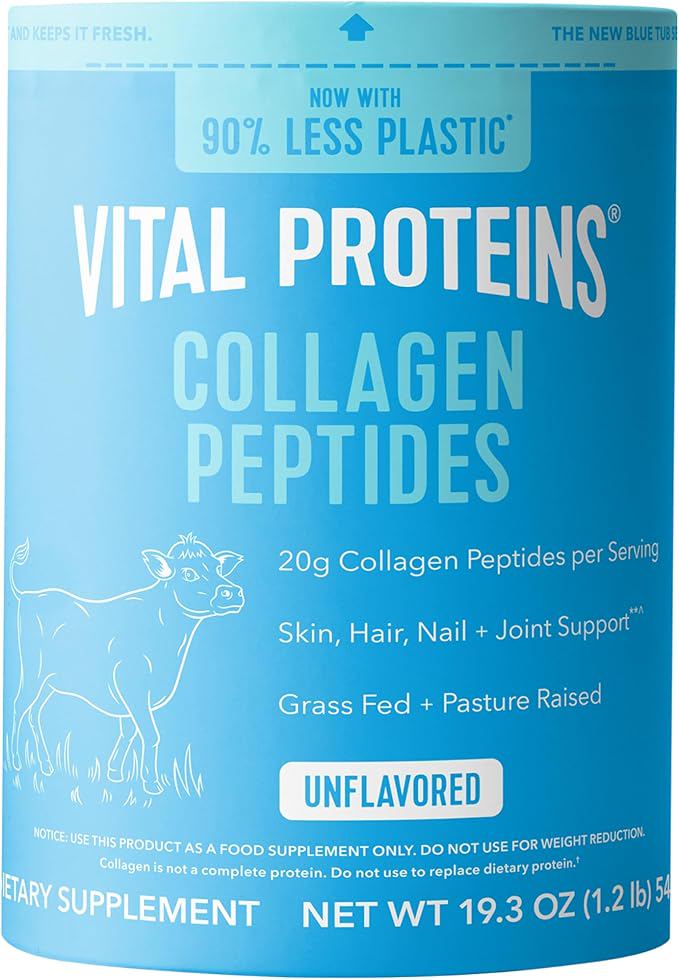
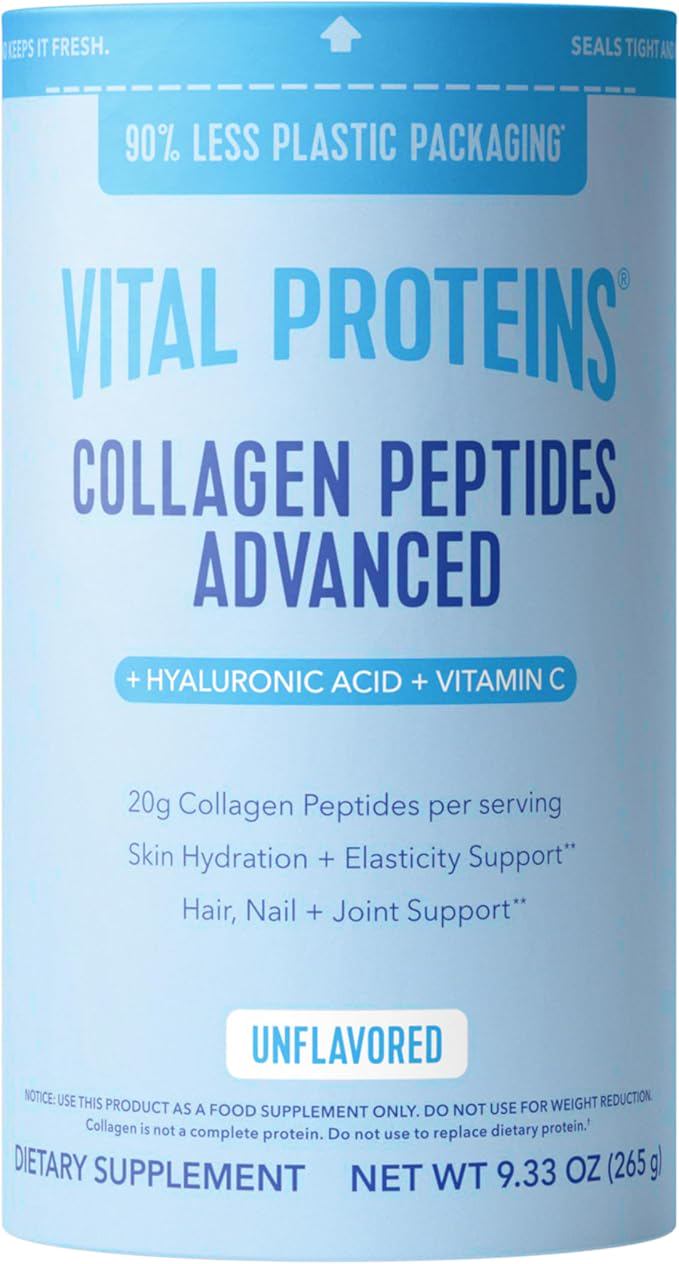
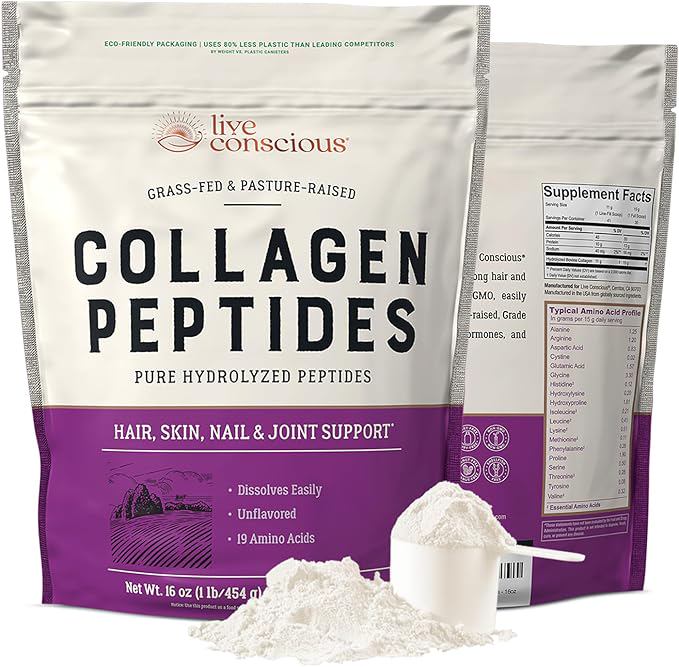
- Collagen-rich foods and supplements: Slow-cooked bone broth, chicken feet, pig trotters, and commercially available collagen peptides. These are not complete proteins on their own (they lack tryptophan), but they strongly support connective tissue repair.
- Plant-based complements: Soy (tofu, edamame, tempeh), quinoa, pumpkin seeds, and legumes. To achieve a complete amino acid profile on a plant-forward diet, you must eat complementary proteins within the same day—such as rice and beans, or hummus with whole-wheat pita.
Will simply eating more protein reverse facial hollowing?
Increasing protein can slow the progression of volume loss and may improve skin thickness and elasticity over several months, but it is not a magic bullet. If the fat pads have already descended significantly or the bone structure of the midface has eroded (as happens with natural age-related bone resorption), dietary protein alone will not fully restore the lost volume.
The real role of protein is as a foundational prevention strategy. It works best in combination with other volume-supporting habits:
- Protecting collagen from UV damage with daily broad-spectrum sunscreen
- Avoiding excessive sugar intake, which forms advanced glycation end-products (AGEs) that cross-link and stiffen collagen fibers
- Staying well hydrated—skin cells need water to plump up within their protein framework
- Getting adequate vitamin C from citrus, berries, or bell peppers, as this nutrient is essential for collagen cross-linking
Nutritionists agree that the most effective approach is to view dietary protein as a long-term maintenance tool, not a short-term fix. If you have noticed that your face looks thinner or more tired than it used to, evaluating your daily protein intake is a logical first step before considering more invasive aesthetic procedures.
Common mistakes women and men make with protein and skin
Even people who think they eat enough protein often slip into patterns that undermine their efforts:
- Relying on breakfasts like toast or cereal. A typical American breakfast is carb-heavy and protein-light. Starting the day with 20–30 grams of protein (three eggs, a Greek yogurt parfait, or a smoothie with protein powder) sets a better metabolic stage for the day.
- Assuming all protein from plants is the same. A cup of lentils has about 18 grams of protein, but it is low in methionine. To get the full spectrum for collagen synthesis, you need to pair it with a methionine-rich grain like rice or oats.
- Skipping collagen cofactors. Protein alone is insufficient without adequate vitamin C, copper, and zinc. A diet that includes citrus, nuts, seeds, and leafy greens will maximize the use of the protein you consume.
Facial aging is multifactorial, but the role of protein is often underestimated. By ensuring you consume enough high-quality protein each day, distributed across meals, you give your body the raw materials it needs to maintain the architecture of a more youthful face.