
Dark under-eye circles have a way of making you look tired even when you feel fine. While genetics and aging play a role, many people inadvertently do things every day that make the shadows worse. The good news is that by identifying and correcting a few common habits, you can reduce the appearance of dark circles without resorting to expensive treatments.
We spoke with Dr. Nivedita Dadu, a renowned dermatologist, to break down the three routine mistakes that most often deepen dark circles under the eyes—and what to do instead.
Mistake #1: Rubbing or pulling at the delicate under-eye skin
The skin around your eyes is the thinnest on your entire body—about 0.5 mm thick. It has very few oil glands and loses moisture quickly. When you rub, tug, or pull at this area while removing makeup, applying skincare, or simply because your eyes feel tired, you create micro-tears and break down collagen and elastin fibers.
Over time, this thins the skin further, making the blood vessels underneath more visible. That bluish or purplish tint you see? That's blood pooling under translucent skin. You are quite literally rubbing the shadows darker.
"Stop rubbing your eyes," says Dr. Dadu. "Instead, use gentle tapping motions with your ring finger—it naturally applies the least pressure. Pat skincare products on, never pull or drag."
Mistake #2: Skimping on sleep or sleeping in a poor position
Sleep and dark circles are closely linked. When you don't get enough sleep, blood flow to the skin slows down, and fluid can pool under the eyes. The resulting stagnation makes blood vessels dilate and look darker against the skin. But it's not just the amount of sleep that matters—it's also how you sleep.
Sleeping face down or with your face pressed into a pillow for hours can cause fluid to accumulate under the eyes. This fluid buildup, combined with the pressure from the pillow, can lead to puffiness that casts shadows, making dark circles look more pronounced in the morning.
Dr. Dadu recommends sleeping on your back with an extra pillow to keep your head slightly elevated. This simple shift helps fluid drain away from the face overnight and reduces morning puffiness and darkness.
Mistake #3: Using the wrong eye products (or none at all)
Many people either skip eye-specific skincare entirely or reach for products that don't target their specific type of dark circles. Not all dark circles are the same. Some are caused by pigment (brownish tones), some by visible blood vessels (bluish or purplish tones), and some by shadowing from hollows or puffiness.
If you do not hydrate and protect the under-eye area daily, the skin becomes drier and more prone to discoloration. Using a heavy face moisturizer around the eyes can also cause milia (tiny white bumps) or irritation. Meanwhile, neglecting sunscreen on the under-eye area allows UV rays to break down collagen and darken pigmentation over time.
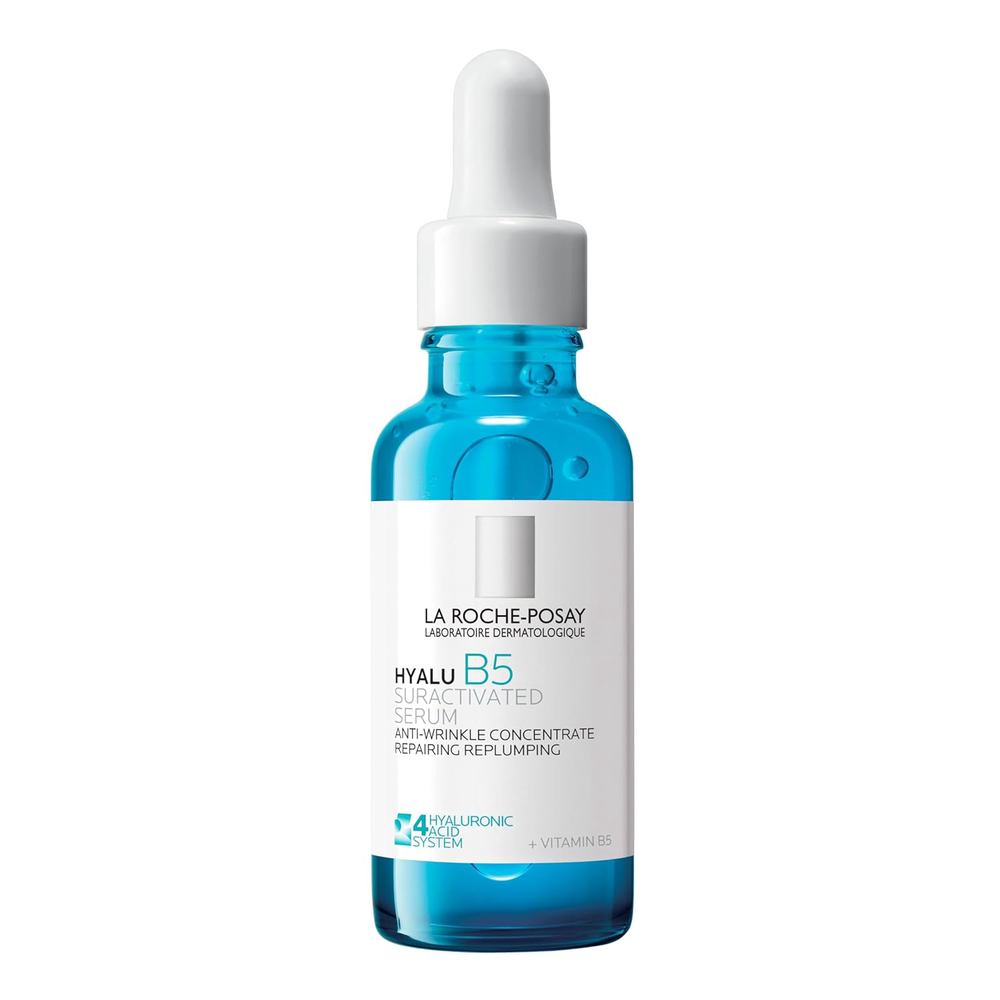
"Look for eye creams with ingredients like vitamin C, caffeine, hyaluronic acid, and peptides," advises Dr. Dadu. "Caffeine helps constrict blood vessels temporarily, hyaluronic acid plumps the skin to reduce shadowing, and vitamin C works on pigmentation. Always apply sunscreen around the eyes during the day."
Dark circles are rarely caused by one factor alone, but these three everyday mistakes—rubbing, poor sleep habits, and neglecting targeted eye care—compound the problem. Addressing them won't erase genetic dark circles overnight, but you will likely see a noticeable improvement in the overall brightness and evenness of the eye area within a few weeks.