
For many women, the transition into perimenopause feels like a series of small, unexpected shifts. Your sleep changes. Your mood might feel more reactive. And then there are the physical changes that no one really warned you about—like vaginal dryness. It can show up as discomfort during intimacy, a persistent feeling of irritation, or even a nagging sense that something is just off down there. If this sounds familiar, you are not alone, and more importantly, there are effective, practical ways to find relief.
This isn't just a nuisance. Vaginal dryness during perimenopause is a direct result of shifting hormones—specifically estrogen. Understanding the connection between the two is the first step toward feeling comfortable in your body again.
How perimenopause changes your vaginal tissues
Estrogen is the primary hormone responsible for keeping the vaginal lining thick, elastic, and well-lubricated. It stimulates the production of natural fluids and maintains a healthy balance of bacteria and pH. During perimenopause, estrogen levels don't drop off a cliff—they fluctuate unpredictably. Some months you have normal levels, and the next month they plummet.
These hormonal swings are what make perimenopause different from menopause. Instead of a steady decline, your body experiences a hormonal roller coaster. When estrogen dips, the vaginal walls become thinner, less flexible, and produce less natural moisture. This condition is medically known as genitourinary syndrome of menopause (GSM). The result can be dryness, burning, itching, and pain during intercourse.
Quick fact: Research shows that up to 50% of women in perimenopause report symptoms of vaginal dryness, but many never bring it up with a healthcare provider because they assume it's just something to endure.
Recognizing the early signs
Vaginal dryness can be subtle at first. You might notice that you need more time and stimulation before intercourse feels comfortable, or that you feel a slight rawness after exercise. Some women describe a sensation of pressure or achiness in the pelvic area. Others simply notice a change in discharge—less of it, or a different consistency.
If you are experiencing any of these, it is worth paying attention. Early signs of vaginal dryness can worsen over time if left unaddressed. But the good news is that you can take action before the discomfort becomes a persistent issue.
What actually helps: gentle, effective solutions
There is no single magic fix, but a combination of lifestyle adjustments and over-the-counter products can significantly improve comfort. Here are the approaches that gynecologists and health educators most commonly recommend for perimenopausal vaginal dryness.
Water-based lubricants for immediate comfort
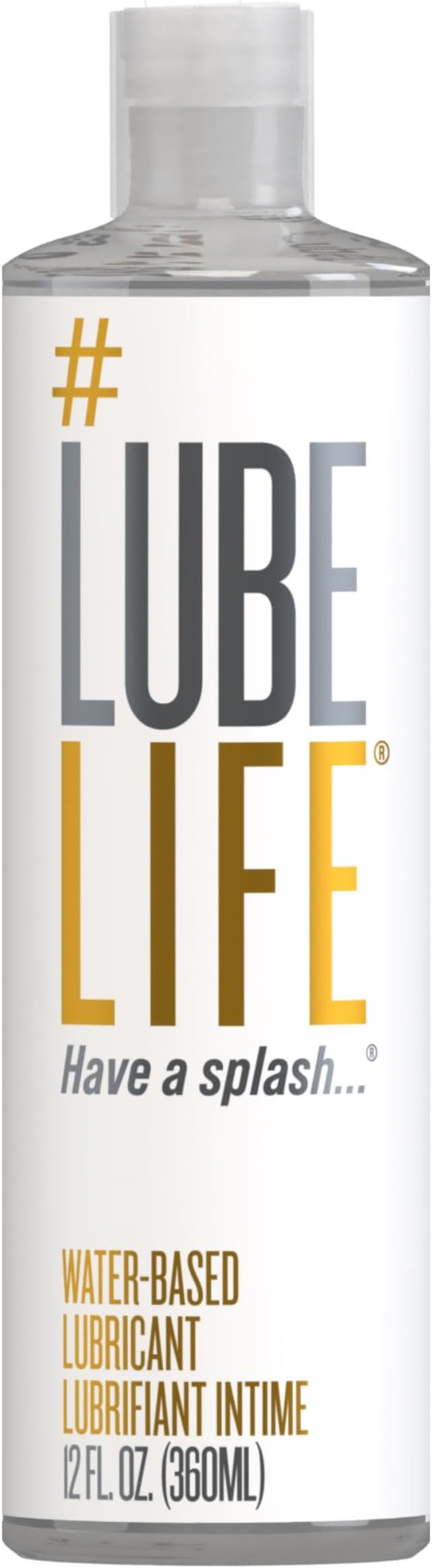
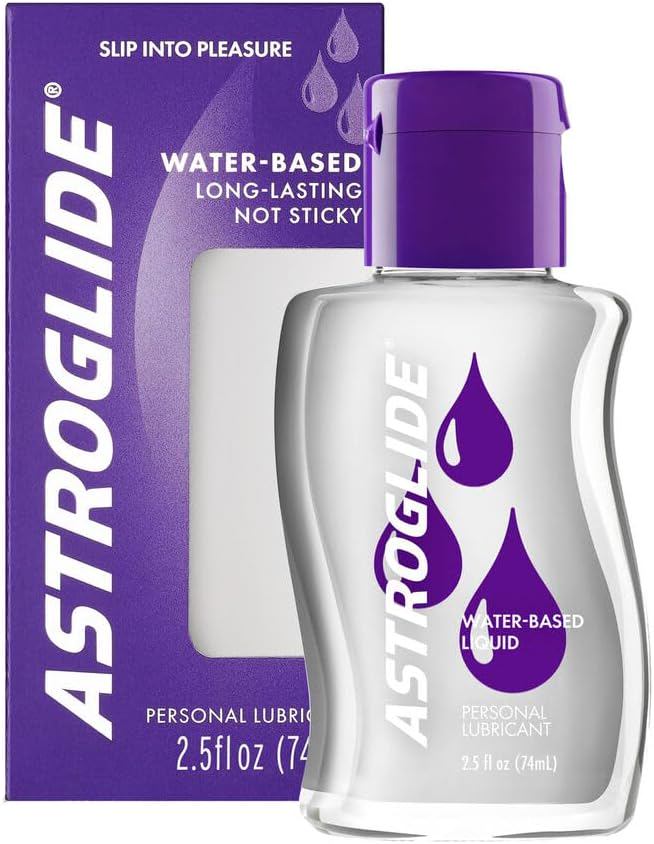
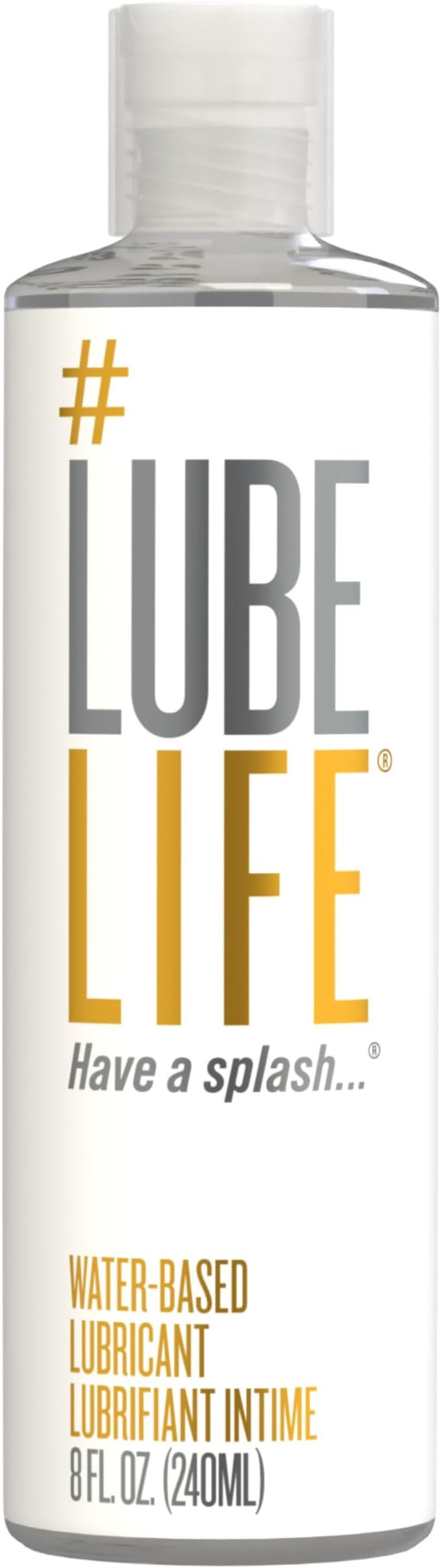
For relief during intimate moments, a high-quality personal lubricant is the first line of defense. Not all lubes are created equal. Water-based options are safe to use with condoms and toys, rinse off easily, and tend not to irritate sensitive tissues. Avoid products with glycerin, parabens, or synthetic fragrance, as these can sting or disrupt the vaginal microbiome. Look for products labeled as hypoallergenic or formulated for sensitive skin.
Long-acting moisturizers for daily relief
Lubricants are for the moment. Vaginal moisturizers are for the day-to-day. These are applied internally a few times a week and work by restoring the moisture content of the tissue itself. They help with comfort outside of intimacy—think less irritation during a bike ride, a long walk, or just sitting at your desk. The key is to use them consistently, not just when you expect to have sex.
Hormone-free options: hyaluronic acid and vitamin E
If you prefer to avoid hormones entirely, certain ingredients have been shown to help. Hyaluronic acid, the same ingredient found in many facial serums, is naturally present in connective tissues and can hold many times its weight in water. Hyaluronic acid vaginal suppositories or gels can help plump and hydrate the vaginal lining without systemic hormones. Vitamin E oil, applied topically in small amounts, can also soothe fragile tissue and reduce irritation.
When to consider low-dose vaginal estrogen
For some women, over-the-counter options are not enough. If you have tried moisturizers and lubricants consistently for several weeks with no relief, it may be time to talk to a healthcare provider about low-dose vaginal estrogen therapy. This is available as a cream, tablet, or ring. Notably, this is a localized treatment—it stays in the vaginal area and delivers only a tiny fraction of the estrogen that enters the bloodstream with systemic hormone therapy. Many women find it dramatically more effective than any non-hormonal product for restoring tissue health.
This is not a decision to make on your own. A professional can help determine if this approach is appropriate for you based on your personal and family health history.
Lifestyle habits that support vaginal health
Beyond products, your daily routines matter. Staying well hydrated is one of the simplest things you can do—dehydration affects every mucous membrane in your body. Pelvic floor exercises, such as Kegels, improve blood flow to the area, which can support natural lubrication over time. And certain soaps, bubble baths, and scented laundry detergents can strip the delicate oils from vulvar skin, making dryness worse. Switching to a gentle, fragrance-free cleanser for that area is a small change that makes a real difference.
Diet also plays a supporting role. Foods rich in omega-3 fatty acids (like salmon, flaxseed, and walnuts) and vitamin E (like almonds and sunflower seeds) provide building blocks for healthy cell membranes. Some women also find that reducing caffeine and alcohol helps, as both can have a mildly dehydrating effect on the body.
It's okay to talk about this
Vaginal dryness can feel isolating. But it is a physiological change, not a sign that something is wrong with you or your relationship. Millions of women experience it. The biggest barrier to relief is often silence—not talking to a partner about needing more foreplay or lubrication, or not bringing it up with a doctor because it feels embarrassing. A straightforward conversation with a gynecologist or a trusted primary care provider can open the door to solutions that genuinely improve your quality of life.
Perimenopause is a transition, not a crisis. With the right information and the right products, you can maintain comfort, confidence, and intimacy during this stage of life.