Navigating menopause often means weighing the benefits of hormone replacement therapy (HRT) against your body's natural shifts. While HRT provides targeted doses of estrogen, the foods you eat can play a supporting role. Certain plants contain phytoestrogens—compounds that can mildly mimic estrogen in the body. When paired with HRT, these foods can help smooth out lingering symptoms like hot flashes and night sweats without replacing your medical therapy.
Let’s look at four research-backed foods that can work alongside your treatment plan. As always, these are complements, not substitutes, for your prescribed regimen.
Soy and Edamame
Soy is the most well-researched source of isoflavones, a type of phytoestrogen. Whole forms like edamame, tofu, and tempeh offer a steady, gentle effect. A 2016 meta-analysis in Menopause found that women consuming soy isoflavones reported a significant reduction in hot flash frequency over just 12 weeks.
For someone already on HRT, adding a daily serving of edamame or a few ounces of tofu to a stir-fry can act as an extra layer of symptom management. The key is consistency—phytochemicals work cumulatively, not in one large dose.
Practical tip: Try a handful of steamed edamame as an afternoon snack or swap half your ground meat for crumbled tofu in a bolognese sauce.
Flaxseeds
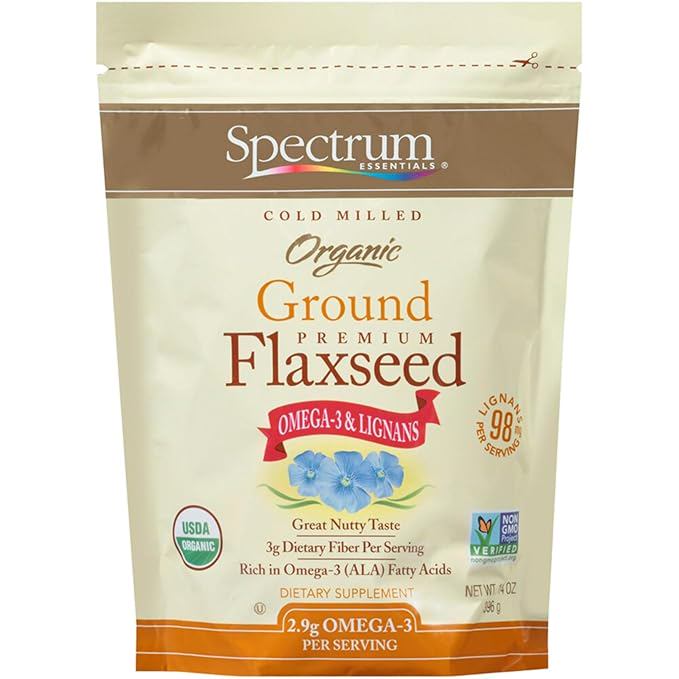
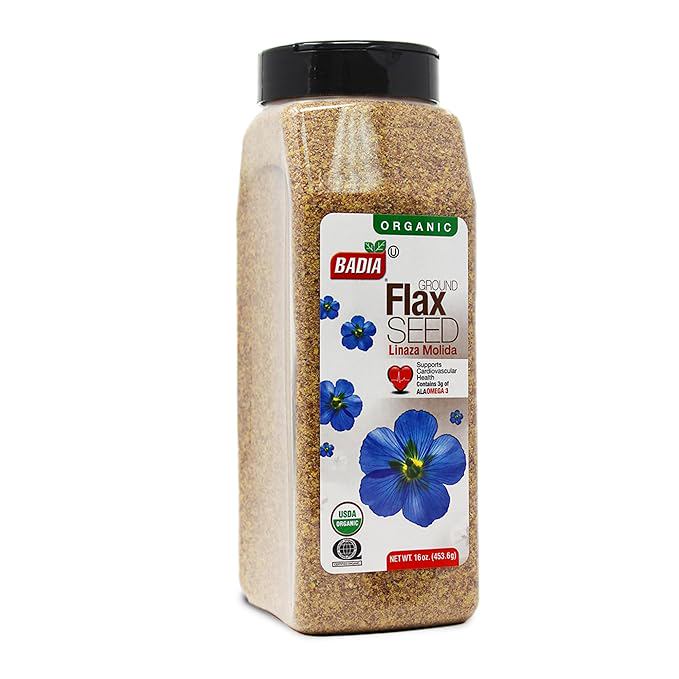
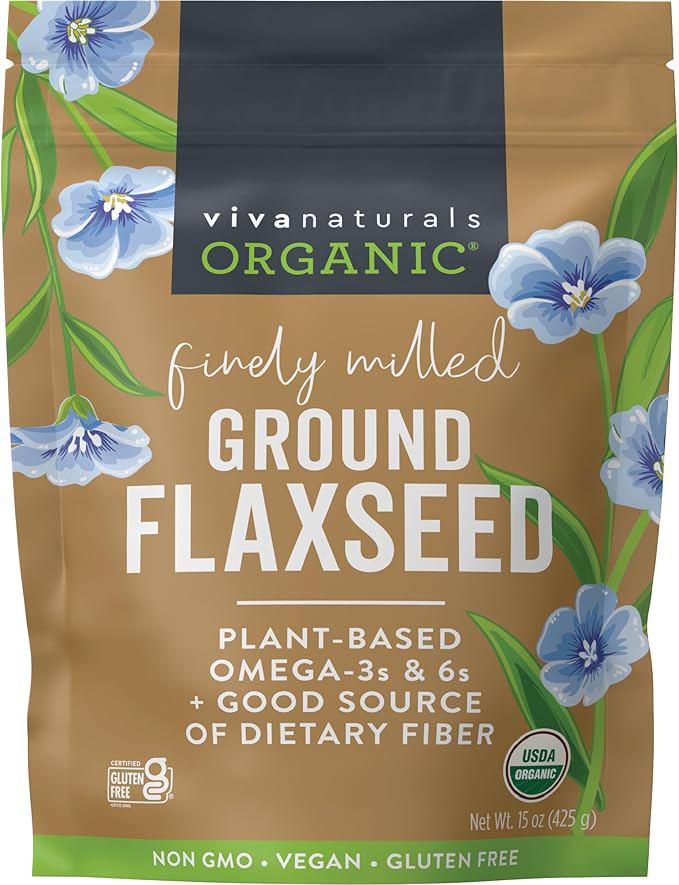
Flaxseeds are tiny nutritional powerhouses rich in lignans, a class of phytoestrogens that your gut bacteria convert into active compounds. Unlike soy, flaxseeds have a unique ability to gently modulate estrogen levels—they can nudge them up when they’re too low and bind to receptors to calm excessive activity.
A 2021 review in Phytotherapy Research noted that flaxseed supplementation improved vaginal dryness and overall menopausal quality-of-life scores. You don’t need much: one to two tablespoons of ground flaxseed per day is the sweet spot. Whole seeds pass through undigested, so always grind them fresh.
- Where to add it: Sprinkle over oatmeal, yogurt, or salads. Blend into smoothies or mix into pancake batter.
- Storage note: Ground flaxseed goes rancid quickly; keep it in the freezer for longer shelf life.
Legumes (Lentils and Chickpeas)
Lentils and chickpeas are steady sources of both isoflavones and lignans, offering a double benefit in one humble package. They’re also packed with fiber, which helps stabilize blood sugar—a common concern during menopause when insulin sensitivity can shift.
One study from Journal of Nutrition found that premenopausal women with higher legume intake had lower circulating estradiol levels, suggesting a balancing effect. For menopausal women on HRT, lentils provide a slow-release energy source that supports overall metabolic health without adding synthetic compounds.
Try a bowl of lentil soup with turmeric and ginger, or roast chickpeas with olive oil and rosemary for a crunchy snack. They’re affordable, shelf-stable, and easy to batch-cook.
Red Clover (Sprouts or Tea)
Red clover contains isoflavones (specifically formononetin and biochanin A) that are chemically similar to human estrogen. It has a long history in Western herbalism for menopausal support, but it gets overlooked in nutrition circles.
A 2015 randomized controlled trial in Obstetrics & Gynecology International showed that red clover extract significantly reduced night sweats and improved sleep quality in perimenopausal women. Red clover sprouts add a mild, slightly sweet flavor to salads, while a cup of red clover tea before bed can feel like a calming ritual.
Caveat: If you have a history of hormone-sensitive conditions (like certain breast cancers), talk to your doctor before introducing red clover, as its effects can be more pronounced than other phytoestrogen sources.
How to Pair These Foods with HRT
Think of phytoestrogen-rich foods as a gentle background hum, not a loud signal. They work best when you eat them spread throughout the day rather than all at once. A typical pattern might look like this:
- Breakfast: Oatmeal with ground flaxseed and blueberries.
- Lunch: Lentil salad with chopped red clover sprouts and a lemon-tahini dressing.
- Snack: A handful of edamame or a small soy yogurt.
- Dinner: Stir-fried vegetables with cubed tofu and ginger.
Consistency matters more than quantity—and whole foods consistently outperform supplements in safety and bioavailability.
Key Considerations
Phytoestrogens are not estrogen itself. They don’t replace the hormonal lift that HRT provides, but they can smooth out the valleys. If you experience bloating, gas, or digestive changes when increasing legume or soy intake, start with smaller portions and gradually increase over a week or two.
Also important: not all phytoestrogen foods are equal. Soy is well-tolerated by most people, while red clover can be more variable. Keep a simple symptom journal (hot flash counts, sleep quality) for a month after adding any new food to objectively see if it’s helping.
Finally, never stop or adjust your HRT dosage without talking to your healthcare provider. Food is a complement, not a substitute.