If you're managing oily skin, you know the daily balancing act. While a consistent skincare routine is essential, what you put on your plate can also influence your complexion. The connection between diet and sebum production isn't a simple one-to-one equation for everyone, but emerging research suggests certain foods may act as triggers, potentially increasing oiliness and inflammation for some people.
Understanding these potential dietary links empowers you to make informed choices. It's not about restrictive elimination diets, but about observing patterns and identifying which foods, if any, might be contributing to a shinier T-zone or more frequent breakouts for you.
How Can Food Affect Sebum Production?
Your skin's oil glands, or sebaceous glands, produce sebum—a natural, waxy substance that helps protect and moisturize your skin. When these glands go into overdrive, the result is the shiny, sometimes congested appearance of oily skin. Several dietary factors are thought to influence this process, primarily through effects on hormones and inflammation.
Certain foods can cause spikes in blood sugar and insulin levels. This insulin response may stimulate the production of androgens (hormones), which in turn can signal your sebaceous glands to produce more oil. Other foods might promote inflammatory pathways in the body, which can worsen skin conditions often associated with excess oil, like acne.
The goal isn't to fear food, but to become a detective for your own skin, noticing if certain dietary choices correlate with changes in your complexion.
Foods That May Exacerbate Oily Skin
While individual responses vary, these three categories of foods are most commonly discussed by dermatologists and researchers in the context of potentially increasing sebum production and skin inflammation.
1. High-Glycemic Index Foods and Refined Carbohydrates
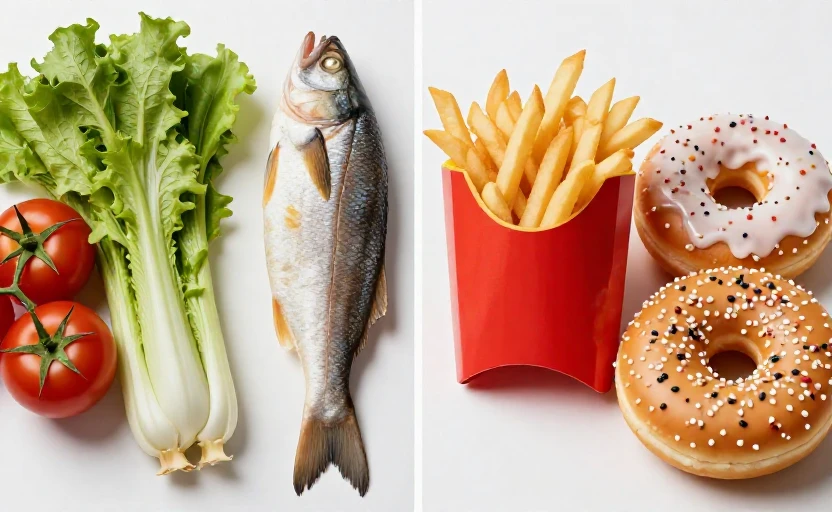
This category includes foods that cause a rapid rise in blood sugar. Think white bread, pastries, sugary cereals, potato chips, and sodas. The rapid spike in blood glucose triggers a corresponding spike in insulin.
Elevated insulin levels are believed to increase the activity of enzymes and hormones that boost sebum production. Studies have observed that diets lower in high-glycemic foods can lead to improvements in oily skin and acne for some individuals. Swapping these out for complex carbohydrates—like whole grains, legumes, and sweet potatoes—provides a slower, steadier release of energy without the dramatic insulin surge.
2. Dairy Products (Particularly Skim Milk)
The link between dairy and oily or acne-prone skin is one of the most researched—and debated—areas in dermatology. Not everyone who consumes dairy will experience issues, but for some, it can be a trigger.
The mechanism is thought to be twofold. First, dairy contains growth hormones and bioactive molecules (like IGF-1) that may influence human hormone levels and stimulate oil glands. Second, some research suggests that skim milk might be more strongly associated with skin concerns than full-fat dairy, possibly due to its different protein composition or higher glycemic load when the fat is removed.
If you suspect dairy, consider keeping a food and skin journal. You might experiment by reducing intake for a few weeks to see if your skin's oiliness changes, rather than cutting it out entirely immediately.
3. Saturated and Certain Unhealthy Fats
The relationship between fat and skin oil is nuanced. Healthy fats, like those from avocados, nuts, and olive oil, are crucial for skin health and maintaining its lipid barrier. However, diets very high in saturated fats and certain processed oils may promote inflammation.
Foods like fried foods, fatty cuts of red meat, and processed snacks cooked in inflammatory oils (like some vegetable oils high in omega-6) can increase systemic inflammation. Since oily skin is often accompanied by inflammatory conditions like acne, fueling this inflammation can worsen the overall picture. The key is balance—prioritizing anti-inflammatory omega-3 fats (found in fatty fish, walnuts, flaxseeds) while moderating intake of pro-inflammatory fats.
What to Focus on Instead
Shifting focus to what you can add to your diet is often more sustainable and positive than fixating on restrictions. These additions support overall skin health and may help moderate oil production.
- Antioxidant-Rich Foods: Colorful fruits and vegetables (berries, leafy greens, tomatoes) combat oxidative stress that can aggravate skin.
- Zinc-Rich Foods: Foods like pumpkin seeds, lentils, and chickpeas provide zinc, a mineral involved in skin healing and regulation of oil glands.
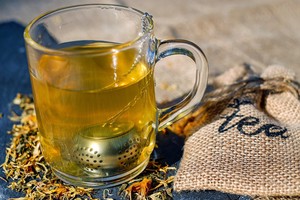
- Green Tea: Contains polyphenols that may have a mild anti-androgenic effect, potentially helping to moderate sebum production.
- Plenty of Water: Staying well-hydrated supports all skin functions, including helping to maintain balance.
A Balanced Approach is Key
It's vital to remember that diet is just one piece of the oily skin puzzle. Genetics, stress levels, skincare products, and hormonal fluctuations play significant, often larger, roles. There is no single "bad" food that causes oily skin for everyone.
The most sensible approach is one of mindful observation. Pay attention to how your skin feels and looks in the days after you consume certain foods. This personalized data is far more valuable than any blanket rule. If you have persistent concerns about oily skin or acne, a consultation with a dermatologist or registered dietitian can provide guidance tailored to your unique health profile.