There’s a quiet magic to a meal that comes together in a single pan. It’s the promise of deep, layered flavor with a fraction of the cleanup, a solution for busy evenings that doesn’t sacrifice satisfaction. But moving beyond basic sautéed chicken and vegetables into truly memorable territory requires a shift in technique. We gathered insights from professional chefs to transform your one-pan approach from simple to spectacular.
The secret lies in treating your pan as a stage where every ingredient plays a supporting role in building a cohesive dish. It’s about strategic layering, mindful heat management, and understanding how flavors meld when they share the same space from start to finish.
How do chefs build flavor in a single pan?
Flavor development in one-pan cooking hinges on the sequence of ingredients. You can’t add everything at once and expect a complex result. Instead, think of it as building a foundation.
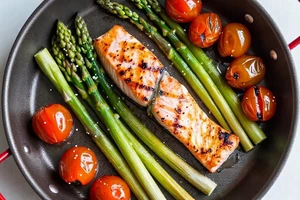
Start with a good sear on your protein. Whether it’s chicken thighs, shrimp, or cubed tofu, get that golden-brown crust. This isn’t just for looks; it creates fond—those delicious browned bits stuck to the pan—which becomes the flavor base for everything that follows. Remove the protein and set it aside.
Next, build your aromatic base. Add a bit more oil if needed, then toss in diced onions, shallots, or leeks. Cook them until they soften and become fragrant. This is when you add minced garlic, ginger, or spices, toasting them briefly in the fat to unlock their oils. This layering is non-negotiable for depth.
Don’t crowd the pan when searing. Give your protein space, or it will steam instead of brown.
What’s the best way to handle vegetables and starches?
Vegetables require consideration of their cooking times. Dense root vegetables like potatoes, carrots, or turnips need longer. Add them right after your aromatics, letting them cook for a few minutes before introducing quicker-cooking veggies like bell peppers, zucchini, or green beans.
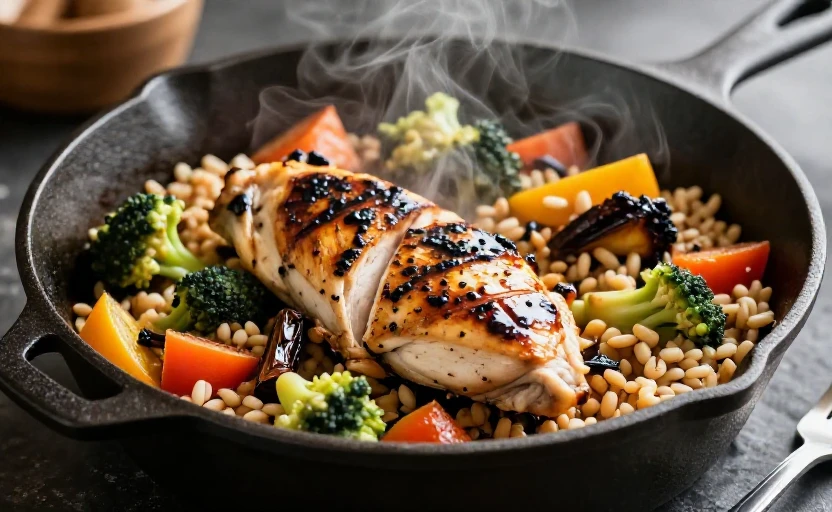
For grains like rice or quinoa, the one-pan method shines. After toasting the dry grains for a minute in the aromatics, add your liquid—broth, coconut milk, or water. Scrape up all that fond from the bottom. Then, nestle your seared protein and any delicate vegetables on top. The steam from the simmering liquid will finish cooking the protein while the grains absorb all the layered flavors below.
Mastering Moisture and Sauce
The liquid you choose is crucial. Water works, but broth, wine, canned tomatoes, or coconut milk contribute their own flavor profiles. Remember, less liquid evaporates in a covered pan, so you may need slightly less than a traditional recipe calls for. You can always add a splash more if needed.
The final sauce often makes the dish. Once everything is cooked, remove the solid components. If the remaining juices are too thin, let them simmer uncovered to reduce and concentrate. A pat of butter, a squeeze of lemon juice, or a handful of fresh herbs stirred in at the very end brings brightness and ties everything together.
What are common one-pan mistakes to avoid?
Overcrowding is the most frequent pitfall. A pan piled high will steam ingredients instead of browning them, leading to bland, soggy results. Cook in batches if necessary.
Neglecting to preheat your pan is another. A properly heated pan ensures your protein sears immediately, creating that essential fond. Also, be patient with your aromatics; rushing them means they won’t sweeten and soften fully.
Finally, overseasoning early can be a problem, especially with reductions. Salt in stages. Season your protein before searing, but go easy on the salt in the cooking liquid until it has reduced to your desired consistency.
Embracing these chef techniques turns your skillet, roasting pan, or Dutch oven into a versatile flavor factory. It’s a mindful, efficient way to cook that rewards a little planning with immensely satisfying results. The best part? When dinner is done, you’re left with just one pan to wash.