
Humid weather has a way of turning a simple skincare routine into a daily negotiation. The air feels thick, your skin feels slick, and that familiar shine returns faster than you can say "blotting paper." For those with oily skin, high humidity isn't just an inconvenience; it's a primary trigger for clogged pores, excess shine, and breakouts.
The challenge is real, but so are the solutions. Managing oily skin in damp conditions isn't about stripping your skin bare or fighting a losing battle against the elements. It's about adapting your approach with intelligent, expert-backed strategies that work with your skin's biology, not against it. Let's explore how to build a humidity-resilient routine.
Why Humidity Makes Oily Skin Worse
To manage oily skin effectively, it helps to understand the opponent. Humidity refers to the amount of water vapor in the air. When it's high, the air is saturated with moisture. This impacts your skin in a few key ways.
First, while humidity can help keep skin hydrated, it also creates an environment where sweat and sebum (your skin's natural oil) don't evaporate as quickly. This mixture sits on the skin's surface, potentially mixing with dead skin cells, pollution, and bacteria. The result is a perfect recipe for clogged pores and inflammation.
Furthermore, the heat that often accompanies humidity can cause blood vessels to dilate and stimulate the sebaceous glands to produce even more oil. It's a double whammy: more oil production and less efficient clearing of what's already there.
Building Your Humidity-Proof Skincare Routine
The goal isn't to eliminate oil entirely—sebum is crucial for a healthy skin barrier—but to manage its production and keep pores clear. A consistent, gentle routine is far more effective than aggressive, sporadic attacks.
Cleanse with Care
Start and end your day with a gentle, water-soluble cleanser. Look for formulas with ingredients like salicylic acid, niacinamide, or gentle sulfur, which help dissolve oil and debris within the pore without over-drying. Avoid harsh, stripping cleansers that squeak; they can signal your skin to produce even more oil in compensation.
Wash with lukewarm water. Hot water can stimulate oil production and irritate the skin.
Exfoliate Strategically
Regular exfoliation is non-negotiable for preventing pore blockages. Chemical exfoliants like alpha-hydroxy acids (AHAs, such as glycolic or lactic acid) and beta-hydroxy acid (BHA, or salicylic acid) are your best allies.
- Salicylic Acid (BHA): Oil-soluble, meaning it can cut through surface oil to exfoliate inside the pore lining. Ideal for use 2-3 times a week.
- Glycolic or Lactic Acid (AHA): Water-soluble, great for sweeping away dead skin cells on the surface. Helps prevent the buildup that can trap oil.
Alternate between them, and always listen to your skin. In high humidity, you may tolerate exfoliation slightly more often, but overdoing it will compromise your barrier.
Moisturize—Yes, Really
This is the step many with oily skin skip, especially when the air feels wet. But dehydrated skin can overcompensate by producing more oil. The key is choosing the right moisturizer.
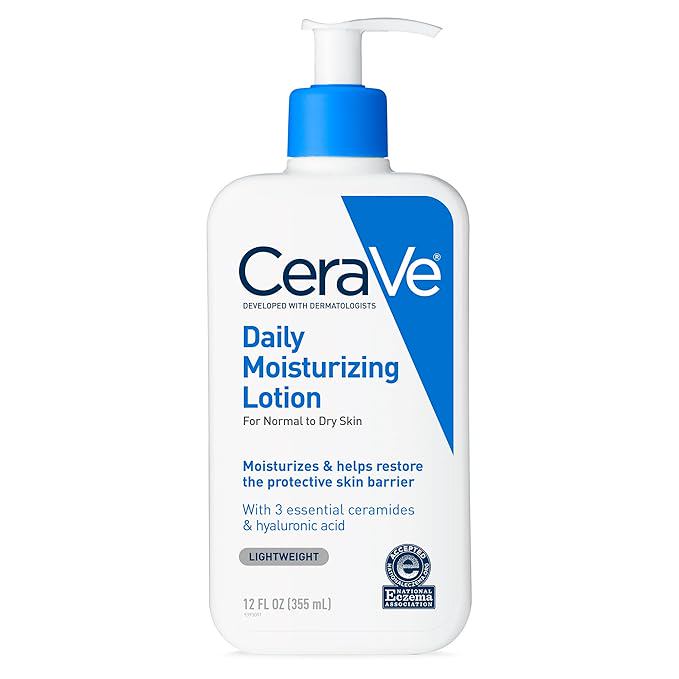
Opt for lightweight, oil-free, or gel-based formulas. Look for ingredients like hyaluronic acid, which draws moisture to the skin without adding grease, and niacinamide, which helps regulate sebum production and soothe inflammation. A good moisturizer seals in your other products and maintains a balanced barrier.
Sun Protection is Non-Negotiable
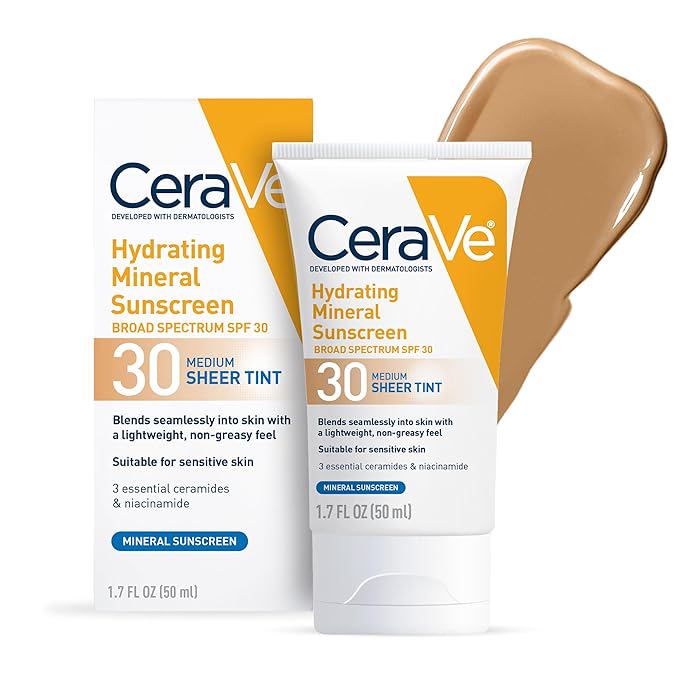
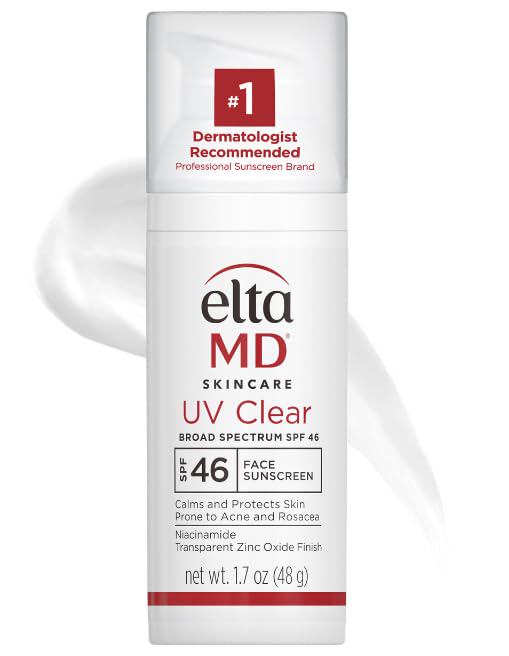
Sun exposure can thicken the skin and worsen pore blockages. In humidity, a heavy, greasy sunscreen can feel suffocating. Choose mineral (zinc oxide, titanium dioxide) or hybrid sunscreens with a matte, fluid, or gel-cream finish. Many are now formulated specifically for oily or acne-prone skin and won't contribute to shine.
Daily Habits for Managing Shine and Breakouts
Your routine extends beyond the bathroom sink. Small adjustments to your daily habits can make a significant difference in managing oily skin during humid months.
- Blot, Don't Rub: Keep blotting papers or a clean, powder-free puff in your bag. Pressing them gently onto shiny areas absorbs excess oil without disturbing your makeup or sunscreen. Rubbing spreads oil and debris.
- Keep Your Hands Off: Avoid touching your face throughout the day. Your hands transfer oil, bacteria, and dirt.
- Choose Non-Comedogenic Makeup: If you wear makeup, select products labeled oil-free and non-comedogenic. Mineral powder foundations can be excellent for offering coverage while absorbing oil.
- Wash Pillowcases and Hats Frequently: Oil, sweat, and bacteria build up on fabrics that touch your skin. Change pillowcases at least once a week and wash hats regularly.
When to Seek Professional Guidance
If your oily skin and breakouts feel unmanageable despite a consistent routine, or if you're experiencing painful, cystic acne, consulting a board-certified dermatologist is a wise step. They can assess if there are underlying factors, such as hormonal influences, and may recommend prescription-strength treatments like topical retinoids, oral medications, or in-office procedures like chemical peels or laser therapies that can offer deeper, long-term regulation of oil production.
Managing oily skin in humid weather is an exercise in balance and consistency. By focusing on gentle cleansing, strategic exfoliation, intelligent hydration, and sun protection, you can help your skin feel clearer, calmer, and more comfortable, no matter what the forecast brings.