
Combination skin can feel like a daily puzzle. One moment your forehead is shining, the next your cheeks feel tight. Managing these distinct zones—often an oily T-zone (forehead, nose, chin) alongside drier cheeks—requires a nuanced, long-term approach. It’s not about fighting your skin, but learning to work with its unique needs to achieve a healthy, balanced complexion.
The goal of a sustainable routine is harmony. You’re aiming to gently control excess oil without stripping the skin, while providing enough hydration to support its barrier function everywhere. This balance is built on consistent, thoughtful habits rather than quick fixes.
Understanding Your Combination Skin
First, it helps to know what you’re working with. Combination skin is characterized by having two or more different skin types on the face. It’s incredibly common, influenced by genetics, hormones, and even environmental factors. The oiliness in the T-zone is typically due to a higher concentration of sebaceous glands, while the cheeks may have fewer.
This duality means your skin’s needs can change with the seasons, your stress levels, or your hormonal cycle. A routine that works in humid summer might feel insufficient in dry winter. The key is flexibility within a stable framework.
Building Your Core Routine
A long-term strategy rests on a simple, reliable core routine you can stick with morning and night. The pillars are cleansing, moisturizing, and sun protection, each adapted for your dual zones.
Gentle Cleansing is Non-Negotiable
Start with a gentle, water-soluble cleanser. The aim is to remove dirt, excess oil, and impurities without disrupting your skin’s natural lipid barrier. Harsh, stripping formulas can backfire, signaling your oil glands to produce even more sebum.
Think of cleansing as a reset, not an assault. Your skin should feel clean and soft, not squeaky-tight or dry.
If you wear makeup or sunscreen, consider a double cleanse: an oil-based balm first to dissolve products, followed by your gentle foaming or cream cleanser.
Moisturize with Strategy
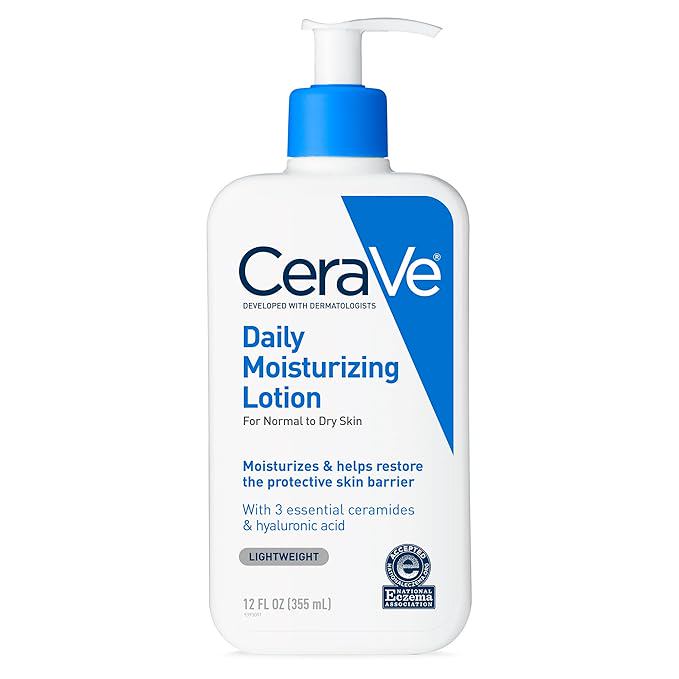
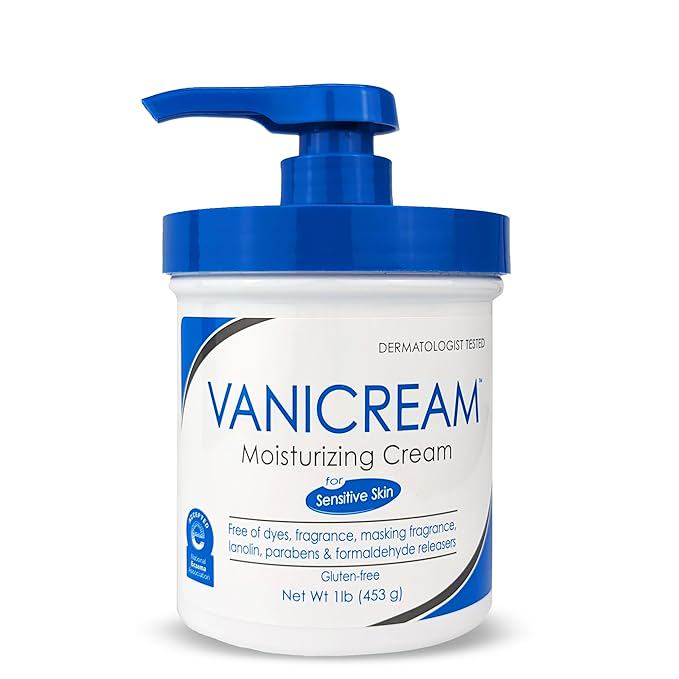
This is where zoning comes into play. After cleansing, while your skin is slightly damp, apply a lightweight, oil-free moisturizer all over. For areas that still feel dry or tight, you can layer a richer cream or a few drops of a hydrating facial oil only on those patches.
Look for ingredients like hyaluronic acid, glycerin, and ceramides. They attract and hold water in the skin, benefiting both oily and dry areas by hydrating without adding heaviness.
Daily Sun Protection
Sunscreen is your best long-term investment for preventing premature aging and protecting your skin barrier. Choose a broad-spectrum SPF 30 or higher with a lightweight, non-comedogenic formula. Mineral options with zinc oxide can be soothing and offer a slight mattifying effect on the T-zone.
Advanced Strategies for Balance
Once your core routine is solid, you can incorporate targeted treatments. The golden rule here is slow and steady. Introduce one new product at a time and observe how your different zones react.
Exfoliation: Choose Your Type
Chemical exfoliants (AHAs like glycolic acid or BHAs like salicylic acid) are often more effective and gentle than physical scrubs for combination skin. Salicylic acid, a BHA, is oil-soluble, making it excellent for penetrating and clearing pores in the T-zone. Use it 1-3 times a week, focusing on oily areas and avoiding over-application on drier cheeks.
Serums for Targeted Concerns
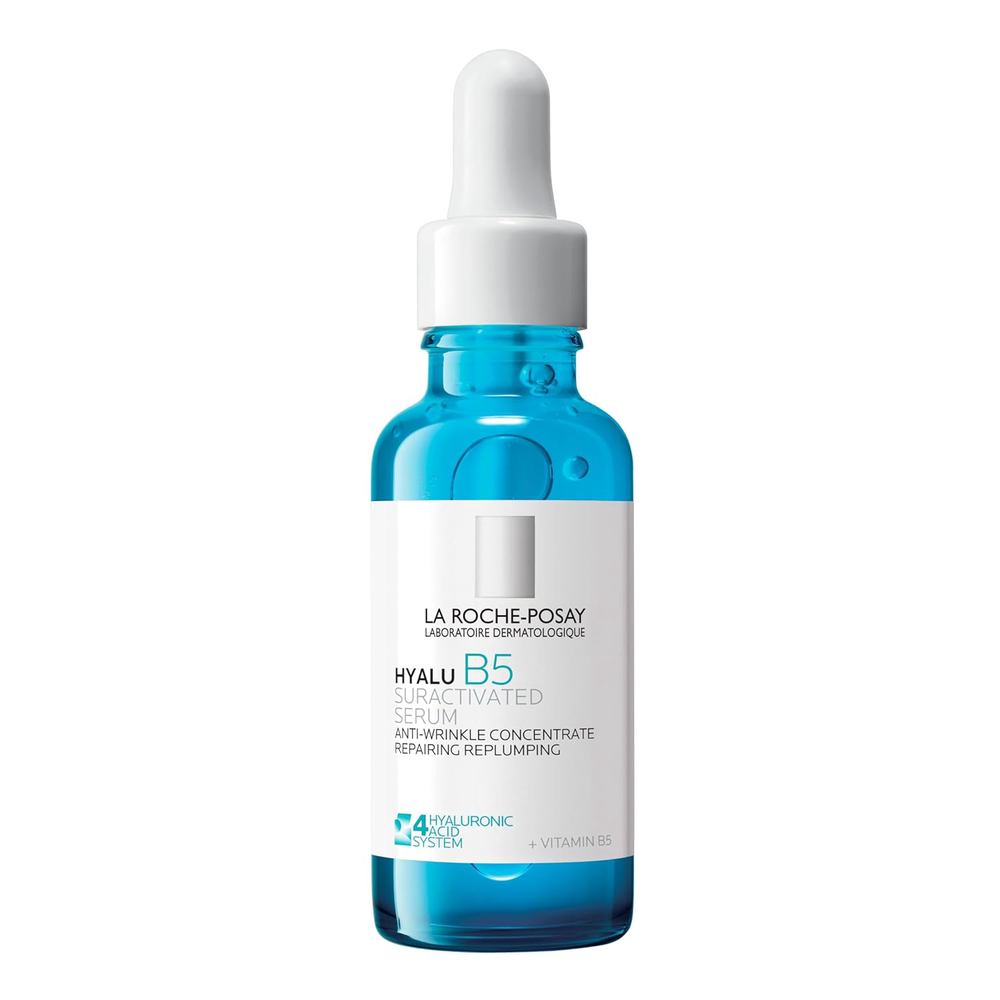
Serums are concentrated treatments. A niacinamide serum (around 5%) can be a superstar for combination skin, helping to regulate oil production, minimize pores, and improve the skin barrier. Apply it after cleansing and before moisturizer. For dryness or fine lines on the cheeks, a hydrating serum with hyaluronic acid can be layered where needed.
Weekly Treatments
A weekly clay mask applied just to the T-zone can help absorb excess oil and refine pores. Meanwhile, a hydrating sheet mask can offer a moisture boost to drier areas. This kind of selective treatment lets you address specific concerns without overwhelming your skin.
Sustaining Your Skin’s Health Long-Term
Beyond products, your lifestyle supports your skin’s balance. Diet, hydration, stress management, and sleep all play roles. Drinking plenty of water supports overall hydration. A balanced diet rich in antioxidants, healthy fats, and vitamins nourishes skin from within.
Pay attention to how your skin communicates. If your cheeks are suddenly flaky or your T-zone is oilier than usual, don’t be afraid to adjust. You might need a heavier moisturizer in winter or to blot oil more frequently in summer. Your routine is a living system, not a rigid set of rules.
Finally, be patient. Long-term skin care is a commitment. It can take weeks to see the full effects of a new product and months to appreciate the cumulative benefits of a consistent routine. The reward is a resilient, balanced complexion that feels comfortable in its own skin—all of it.