If you thought acne was a teenage rite of passage, the persistent bumps along your jawline, chin, and lower cheeks in your 30s, 40s, or beyond tell a different story. Adult hormonal acne is a common, often frustrating reality, deeply tied to the natural ebb and flow of your body's chemistry. It can feel like a puzzle where the pieces keep changing. The good news is that with a consistent, gentle, and informed approach, you can significantly calm your skin from the comfort of your home.
This type of acne is typically driven by internal hormonal fluctuations, which is why it often appears in areas rich in hormone-sensitive oil glands. Stress, menstrual cycles, lifestyle factors, and even diet can act as triggers, making the skin's barrier more reactive. The goal isn't to wage a harsh war on your skin, but to build a supportive routine that strengthens its resilience and addresses the underlying inflammation.
Understanding the hormonal connection
Hormonal acne isn't about being "dirty" or using the wrong cleanser. It's fundamentally linked to androgens, like testosterone. These hormones can stimulate the sebaceous glands to produce more sebum (oil). For some adults, their skin is simply more sensitive to these normal hormonal shifts. This excess oil, combined with dead skin cells, can clog pores, creating an environment where acne-causing bacteria can thrive, leading to inflammation and those characteristic deep, sometimes tender, bumps.
Think of your skincare routine as a form of daily support for your skin's natural balance, not an aggressive attack.
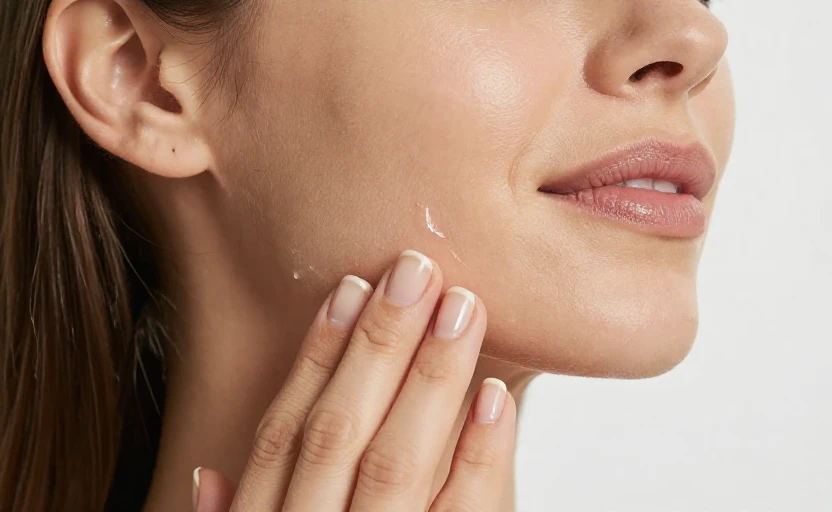
Common patterns include breakouts that flare predictably around your menstrual cycle, concentrate along the jawline, chin, and lower cheeks, and often manifest as deeper, cystic lumps rather than surface blackheads. Recognizing this pattern is the first step toward choosing the right management strategies.
Building a supportive, consistent skincare routine
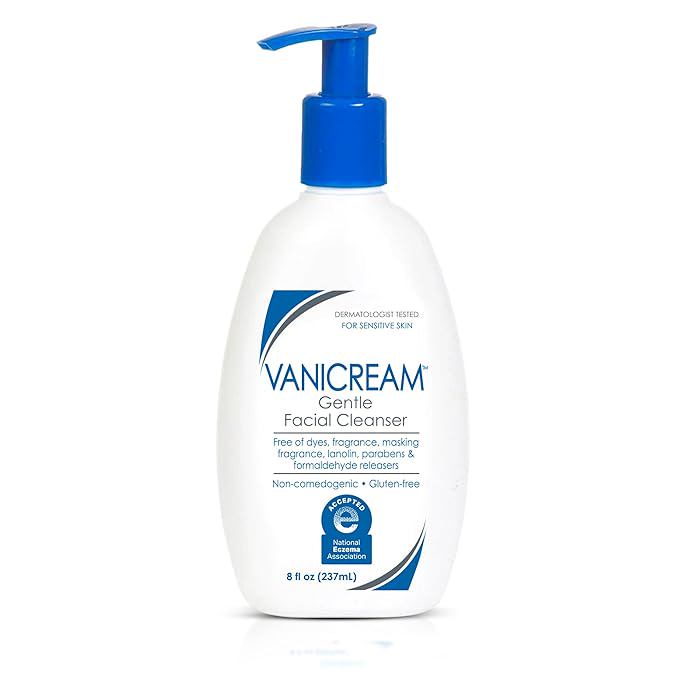
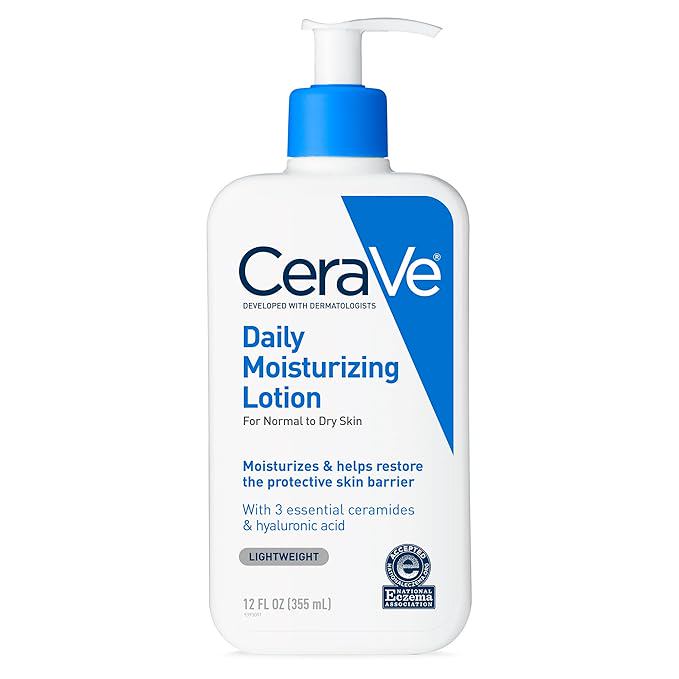
Consistency is far more valuable than complexity. A simple routine you follow daily is more effective than a complicated regimen you use sporadically. The cornerstone is gentle cleansing—twice daily with a lukewarm water rinse—to remove excess oil and impurities without stripping the skin's essential moisture barrier.
Key ingredients to look for
When selecting products, focus on formulations with proven, gentle active ingredients that target different aspects of the acne process.
- Salicylic Acid: A beta-hydroxy acid (BHA) that excels at exfoliating inside the pore. It helps dissolve the mix of oil and dead skin cells that lead to clogs, making it ideal for preventing new breakouts.
- Niacinamide: This form of vitamin B3 is a multitasker. It helps regulate oil production, reduces redness and inflammation, and strengthens the skin's barrier function, making it less reactive.
- Retinoids (over-the-counter): Derivatives of vitamin A, like retinol, work by accelerating cell turnover. This helps prevent pores from clogging and can improve skin texture over time. Start slowly, using a pea-sized amount just 2-3 nights a week to allow your skin to adjust.
- Azelaic Acid: Often recommended for adult acne, it helps reduce inflammation, kill acne bacteria, and can also address post-inflammatory hyperpigmentation (those dark marks left after a pimple heals).
Introduce one new product at a time, waiting a few weeks to see how your skin responds before adding another. This patience helps you identify what truly works for you and minimizes the risk of irritation.
Lifestyle factors that influence hormonal balance
While skincare addresses the surface, your daily habits influence the internal environment that can trigger breakouts. You cannot "diet" your way out of hormonal acne, but certain adjustments may help support overall skin health.
Chronic stress elevates cortisol, a hormone that can indirectly increase oil production. Incorporating stress-reducing practices—even ten minutes of mindful breathing, a daily walk, or prioritizing sleep—can have a tangible impact on your skin. Sleep is when your body repairs itself, including your skin.
Regarding diet, the evidence is individualized. Some people find that high-glycemic foods (like sugary snacks, white bread, and processed carbs) or certain dairy products may exacerbate their acne. Paying attention to how your skin reacts after consuming these foods can provide personal clues. Staying well-hydrated is universally beneficial, helping with detoxification and skin hydration.
When to seek professional guidance
A diligent at-home routine can manage many cases, but it has its limits. If your acne is severe, causing painful cysts, leading to scarring, or simply not improving after several months of consistent care, it's time to consult a dermatologist.
They can offer prescription-strength treatments tailored to hormonal acne, such as topical prescriptions, oral medications like spironolactone (which addresses androgen activity), or other advanced therapies. They can also confirm your diagnosis and rule out other underlying conditions. Seeking help is a sign of proactive self-care, not a failure of your home efforts.
Patience and perspective
Managing adult hormonal acne is a marathon, not a sprint. Results from new skincare ingredients or lifestyle changes can take 6 to 8 weeks—or longer—to become visible. Your skin may even purge slightly when starting active ingredients like retinoids, as it accelerates the clearing of deep clogs. This is typically temporary.
Be kind to your skin. Avoid picking, popping, or over-scrubbing, as this increases inflammation, prolongs healing, and raises the risk of scarring. Your worth is not reflected in your breakouts. A calm, consistent approach, respecting your skin's natural cycles, is the most effective path toward clearer, healthier skin.