Building a skincare routine for acne-prone skin can feel overwhelming. With endless products promising miracles and conflicting advice at every turn, it’s easy to end up with a complicated regimen that does more harm than good. The truth is, simplicity is often the most powerful approach. A gentle, consistent routine focused on a few key principles can calm inflammation, support your skin’s barrier, and create an environment where breakouts are less likely to thrive.
This isn’t about a ten-step process or harsh treatments that strip your skin. It’s about working with your skin’s biology, using expert-backed steps to cleanse, treat, and protect without causing further irritation. Let’s walk through the foundational elements of a simple, effective routine designed for skin that’s prone to blemishes.
What does “acne-prone” skin actually need?
Acne-prone skin is characterized by a tendency for pores to become clogged with excess oil (sebum) and dead skin cells, leading to comedones—blackheads and whiteheads—and often inflamed lesions like papules and pustules. The goal of a routine isn’t to wage war on your skin, but to support its health by managing these factors gently.
Key needs include regulating sebum without over-drying, promoting consistent cell turnover to prevent clogging, addressing the c. acnes bacteria that can contribute to inflammation, and, crucially, maintaining a strong, hydrated skin barrier. A compromised barrier from overly aggressive products can lead to more sensitivity, redness, and even increased oil production as your skin tries to compensate.
The most common mistake is using too many active ingredients or products that are too harsh, which disrupts the skin barrier and can worsen acne.
The core four steps of a simple routine
An effective routine can be built on four pillars: cleanse, treat, moisturize, and protect. Performing these steps consistently, morning and night (with sunscreen as the daytime protect step), forms the backbone of skin health.
1. Cleanse with a gentle touch
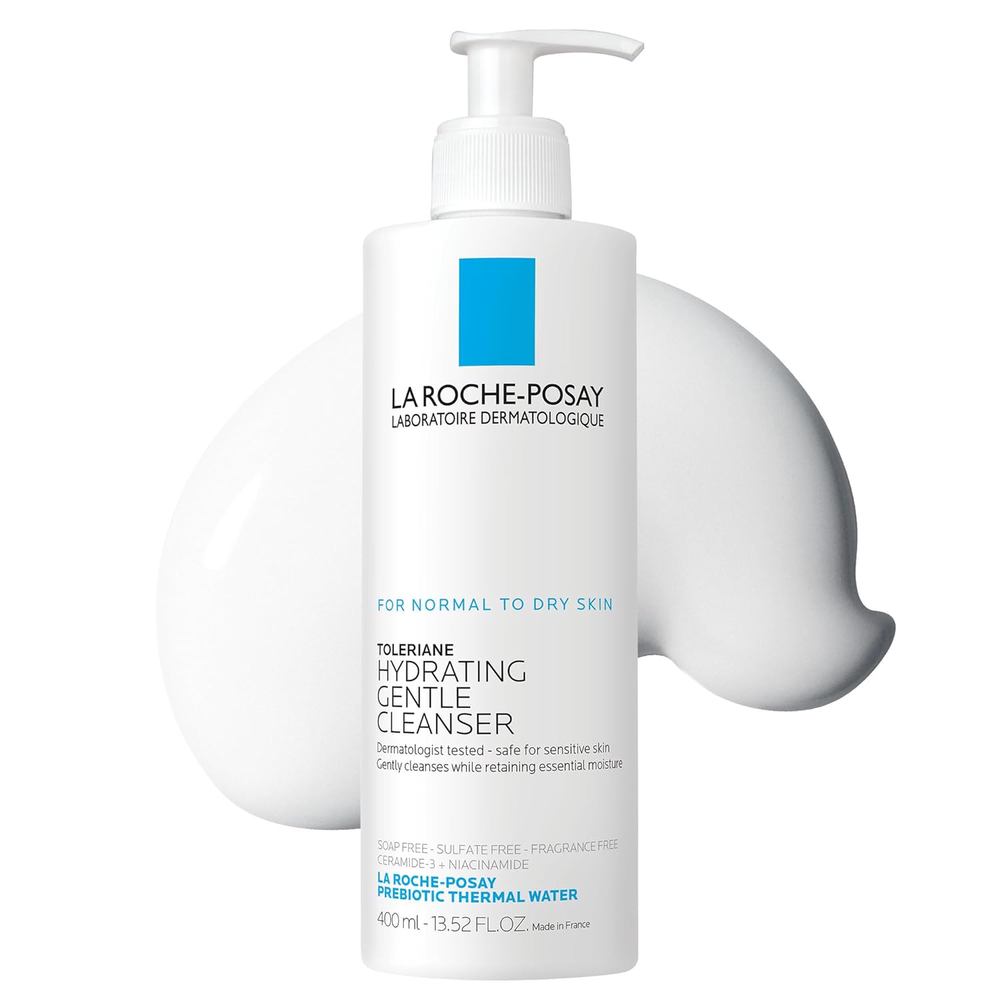
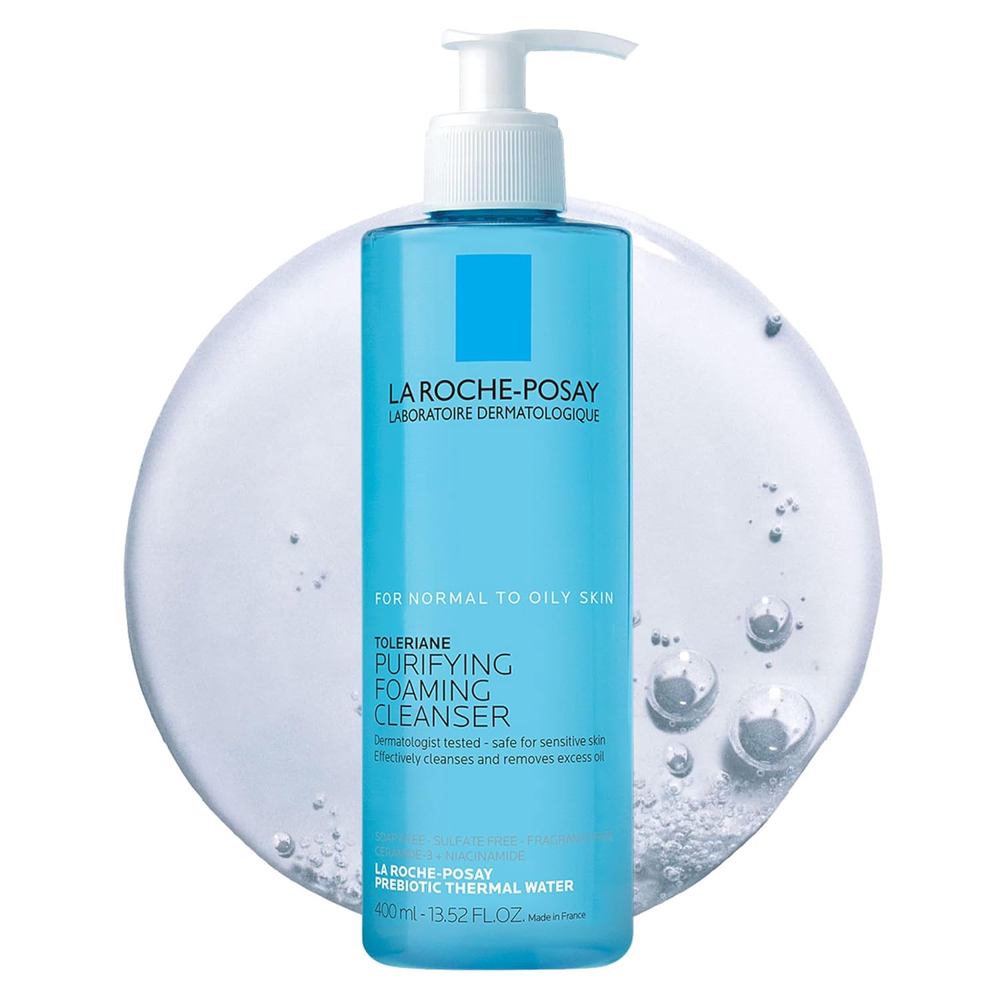
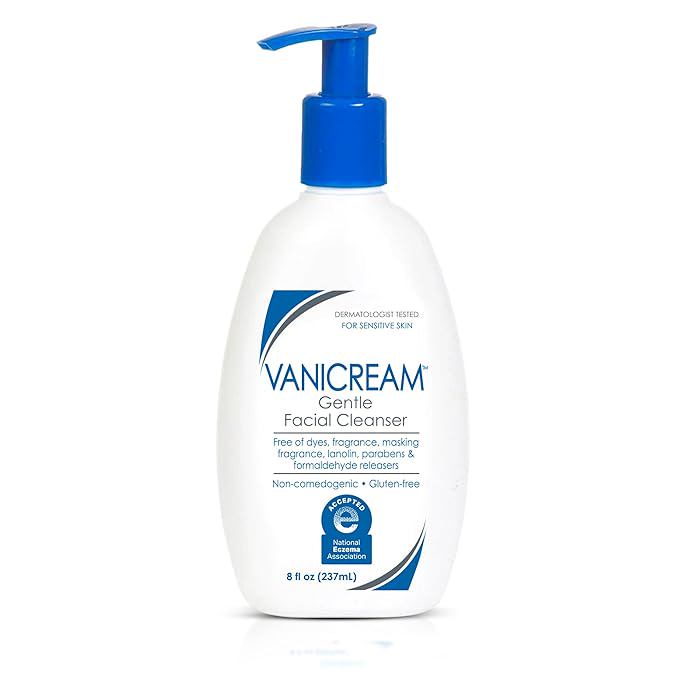
Cleansing removes excess oil, sweat, dirt, and pollutants. For acne-prone skin, a gentle, water-soluble cleanser is non-negotiable. Look for formulas described as “non-comedogenic” (won’t clog pores) and avoid harsh surfactants like sodium lauryl sulfate, which can be stripping.
How to do it: Use lukewarm water—never hot. Massage the cleanser onto damp skin for about 60 seconds to ensure it has time to work, then rinse thoroughly. Pat your face dry with a clean towel; rubbing can cause irritation. Twice a day is typically sufficient; over-washing can trigger more oil production.
2. Treat with targeted actives
This is where you address the specific mechanisms of acne. The golden rule is to introduce one active ingredient at a time, starting slowly (2-3 times a week) to see how your skin responds. Using multiple potent ingredients simultaneously is a fast track to irritation.
- Salicylic Acid (BHA): A beta-hydroxy acid that’s oil-soluble, meaning it can exfoliate inside the pore lining to dissolve the mix of oil and dead cells that cause clogs. Ideal for blackheads and whiteheads.
- Benzoyl Peroxide: Works by killing acne-causing bacteria and has a mild anti-inflammatory effect. It can be drying, so start with a low concentration (2.5% can be as effective as higher strengths with less irritation).
- Retinoids (like Adapalene): Available over-the-counter, retinoids normalize skin cell turnover, preventing cells from sticking together and clogging pores. They are a cornerstone for treating and preventing acne but require patience and consistent sunscreen use.
3. Moisturize to reinforce your barrier
Even oily, acne-prone skin needs hydration. Skipping moisturizer can dehydrate your skin, potentially worsening oiliness and impairing barrier function. The right moisturizer provides lightweight hydration and often contains ingredients like ceramides or niacinamide that help repair and strengthen the skin’s protective layer.
Opt for oil-free, non-comedogenic gels or light lotions. Ingredients like hyaluronic acid draw water into the skin without adding heaviness.
4. Protect with daily sunscreen
This is non-negotiable, especially if you’re using treatments like retinoids or acids that increase sun sensitivity. Sun exposure can also worsen post-acne dark spots (post-inflammatory hyperpigmentation). Choose a broad-spectrum sunscreen with SPF 30 or higher, formulated for the face. Mineral options with zinc oxide or titanium dioxide are often well-tolerated by sensitive, acne-prone skin.
How to build your routine slowly
Start with the bare minimum: a gentle cleanser, a simple moisturizer, and a morning sunscreen. Use this for one to two weeks to establish a baseline and ensure none of these core products cause a reaction. Then, add one treatment product. For example, you might introduce a salicylic acid cleanser or a leave-on benzoyl peroxide treatment a few nights a week.
Give each new addition at least two weeks before considering another change. This “slow and low” approach allows you to identify what’s working and what might be causing irritation. If your skin becomes red, stings, feels tight, or flakes, scale back use or pause the active ingredient until your skin calms down.
What to avoid in your routine
Simplicity also means knowing what to leave out. Avoid physical scrubs with rough particles, which can cause micro-tears and inflammation. Steer clear of heavy, occlusive oils or butters that can block pores. Be wary of DIY treatments (like lemon juice or toothpaste) which can disrupt your skin’s pH and cause burns or irritation.
Perhaps most importantly, avoid the temptation to pick or pop blemishes. This pushes bacteria deeper, increases inflammation, and significantly raises the risk of scarring and prolonged dark spots.
When to seek professional guidance
A consistent, simple routine can manage mild to moderate acne beautifully. However, if your acne is severe, painful, cystic, or isn’t improving after several months of diligent care, it’s time to consult a dermatologist. They can provide prescription-strength treatments, such as topical or oral antibiotics, stronger retinoids, or hormonal therapies, which are more targeted and potent than over-the-counter options.
Remember, caring for acne-prone skin is a marathon, not a sprint. Consistency with a gentle, straightforward routine is far more effective than constantly chasing new, complicated solutions. Your skin’s health is the ultimate goal, and that foundation makes all the difference.