
When a pimple appears, the immediate worry is often how to make it disappear quickly. But for anyone with acne-prone skin, the deeper concern should be what happens after the blemish is gone. A red or dark mark that lingers for weeks—or worse, a permanent indentation on the skin—is a reminder that healing didn't go as planned. The good news is that most acne scars are preventable with the right routine, applied early and consistently.
The window between an active breakout and a forming scar is small, but it gives you time to act. Instead of treating each pimple as an isolated event, think of your entire face as a healing surface. Because scarring happens when inflammation damages the deeper layers of skin, prevention is largely about calming that inflammation, protecting the skin barrier, and never giving collagen a reason to break down unevenly. Below is a step-by-step routine designed for acne-prone skin, built around the science of scar prevention.
Step 1: Cleanse Gently, Not Aggressively
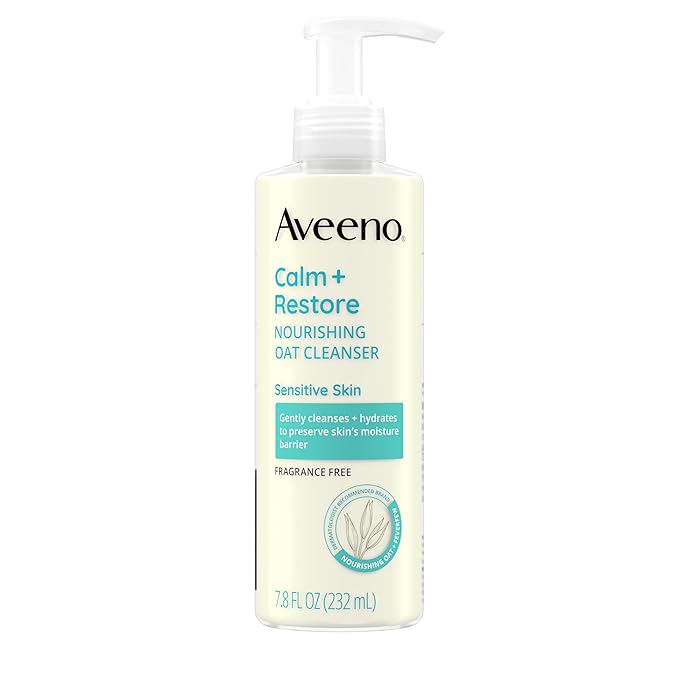
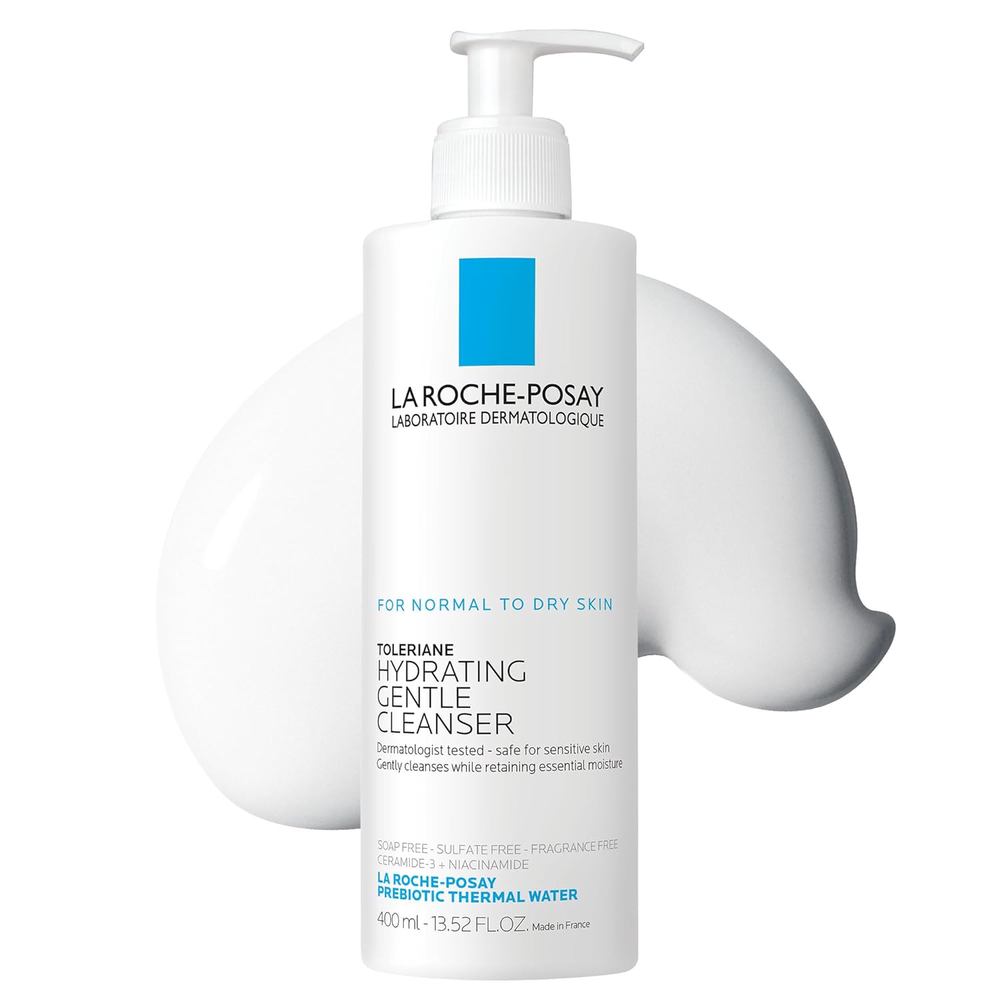
Many people with acne reach for harsh cleansers that strip the skin of oil. This backfires: when skin is over-dried, it produces even more oil to compensate, and the top layer of skin becomes irritated and inflamed. Inflammation is the single biggest driver of scarring. Instead, choose a gentle, non-foaming cleanser with ingredients like ceramides or glycerin. These clean away excess sebum without breaking down the protective barrier. If you wear makeup or sunscreen, double-cleanse at night with a micellar water or oil-based cleanser first, followed by a traditional gentle cleanser. This ensures pores are clear without trauma.
Step 2: Use a Scar-Preventing Active Ingredient
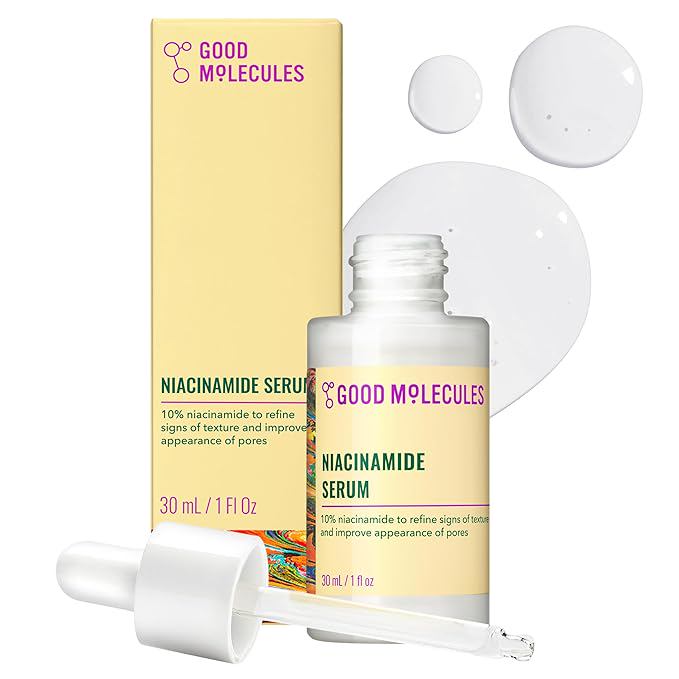
This is the most important step for stopping scars before they set. The two most evidence-backed compounds for this purpose are retinoids and niacinamide.
- Retinoids (like adapalene or prescription tretinoin) speed up cell turnover, which helps prevent dead skin cells from clogging pores. More importantly, they stimulate collagen production in the deeper layers of skin, reinforcing the structure that scars would otherwise damage. Start with a low concentration every other night to avoid irritation.
- Niacinamide is a form of vitamin B3 that reduces inflammation and strengthens the skin barrier. It can be used in the morning under sunscreen, or layered with a retinoid at night. Studies show that consistent use of niacinamide can reduce the formation of post-inflammatory hyperpigmentation—the dark spots that often precede true scarring.
A quick note: avoid using multiple exfoliating acids (glycolic, salicylic, lactic) on the same night as a retinoid. Over-exfoliation leads to more inflammation, not less.
Step 3: Never Skip Sunscreen
This is non-negotiable. Ultraviolet radiation increases inflammation and slows the wound-healing process. In the early stages of a healing pimple, UV exposure can turn a small red spot into a stubborn brown mark that lasts for months. This is called post-inflammatory hyperpigmentation, and while it is not a true scar, it can look like one and feel just as frustrating. A broad-spectrum SPF 30 or higher should be applied every morning as the final step of your routine. Mineral sunscreens with zinc oxide or titanium dioxide are often better tolerated by acne-prone skin because they are less likely to clog pores.
Step 4: Heal the Skin Barrier Overnight
Scar prevention doesn't end with active ingredients. The skin needs to repair itself while you sleep. A simple, fragrance-free moisturizer that contains barrier-supporting ingredients—like shea butter, squalane, or dimethicone—helps maintain the optimal environment for healing. Look for a product labeled “non-comedogenic” so it doesn't clog pores. Apply a thin layer over your whole face after your retinoid or niacinamide has dried.
If you have a particularly angry pimple that is tender and red, a small amount of hydrocolloid patch or zinc-based ointment can calm the inflamed area overnight. This reduces the risk of deep tissue damage that causes atrophic (indented) scars.
What to Avoid at All Costs
Even with the best routine, a few bad habits can undo progress:
- Picking, popping, or squeezing. Every time you apply pressure to a pimple, you push debris deeper into the skin and rupture the follicle wall. This almost always results in more inflammation and a higher chance of scarring. If you absolutely must extract a whitehead, use a sterile lancet and apply gentle pressure with a cotton swab—never fingernails.
- Over-exfoliating. Using scrubs, brushes, or chemical exfoliants more than 2–3 times per week can strip the skin's lipid barrier. The immediate result is a temporary glow, but the long-term result is chronic inflammation and compromised healing.
- Mixing too many actives. Using benzoyl peroxide, salicylic acid, glycolic acid, and a retinoid all in one routine is a recipe for a damaged barrier. Choose one main scar-preventer (retinoid or niacinamide) and build your routine around it.
A Note on When to See a Professional
While a solid home routine can prevent many scars, it cannot erase deep scarring that has already formed. If you notice that your acne consistently leaves behind large, red, raised, or indented marks, or if the blemishes are deep and painful (nodular or cystic acne), it's time to see a dermatologist. In-clinic treatments such as corticosteroid injections for inflamed cysts, or prescription-strength retinoids, can prevent scars that over-the-counter products cannot touch. The earlier you get professional help, the fewer scars you will have to treat later.
Consistency matters more than intensity. A simple, protective routine performed daily will always outperform an aggressive routine done occasionally. Protect your skin barrier, calm inflammation, wear sunscreen, and keep your hands off your face—these four actions are the foundation of a scar-free complexion.