
Waking up to a new breakout when you already feel the weight of a stressful week is a frustrating cycle. Stress triggers the release of cortisol, a hormone that can ramp up oil production and inflame the skin, creating the perfect environment for blemishes. The way you start your morning matters—not just for your mood, but for your skin.
Below is a practical, expert-backed morning routine designed to dial down the effects of stress on acne-prone skin. These steps focus on calming inflammation, supporting the skin barrier, and setting a low-stakes, consistent rhythm. No complicated protocols, no harsh stripping—just a steady, gentle start.
Why stress hits acne-prone skin first thing
When cortisol spikes, it stimulates the sebaceous glands to produce more sebum. That excess oil, combined with dead skin cells, can clog pores. But the morning is also when your skin is recovering from overnight repair. A harsh wake-up routine—think foaming cleansers with sulfates or skipping moisturizer—only adds irritation.
The goal for anyone dealing with stress breakouts is to lower inflammation from the outside while keeping the skin barrier intact. That means choosing products and steps that signal calm rather than attack.
Step 1: Rinse, don't strip
For many people with acne-prone skin, the instinct is to wash aggressively in the morning to remove overnight oil. That often backfires. If you used a retinoid or benzoyl peroxide the night before, your barrier is already working hard. A splash of lukewarm water or a gentle, milky cleanser is usually enough. If you must use a cleanser, look for one with soothing ingredients like glycerin, niacinamide, or oat extract—these help buffer inflammation while cleaning.
Tip: If your skin feels tight or shiny after rinsing, you've likely over-cleansed. Dial it back to just water for a few days and see if breakouts calm.
Step 2: A calming toner or essence
After rinsing, your skin is receptive. This is the moment to apply a thin layer of hydration that also addresses inflammation. A toner or essence with green tea, madecassoside (from centella asiatica), or beta-glucan can help lower redness and provide antioxidant protection against morning stressors. Pat it in gently with your palms—no rubbing.
Step 3: The lightweight moisturizer that works
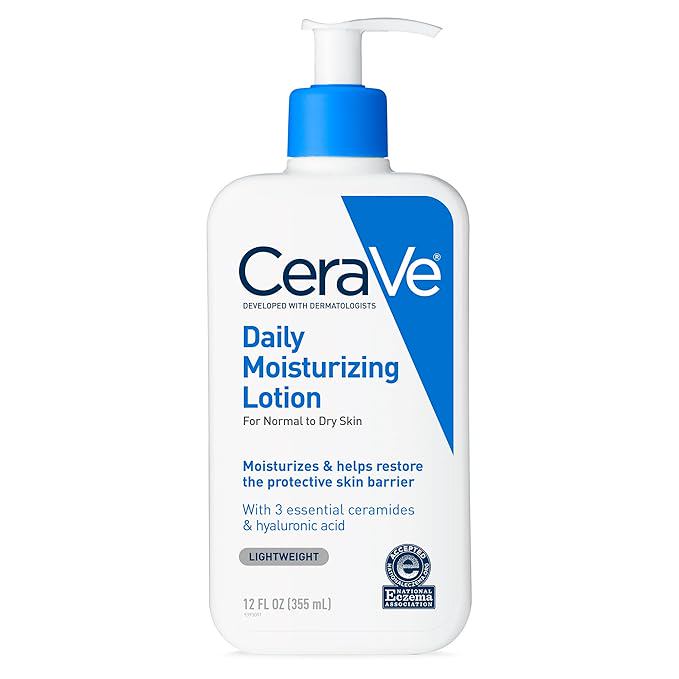
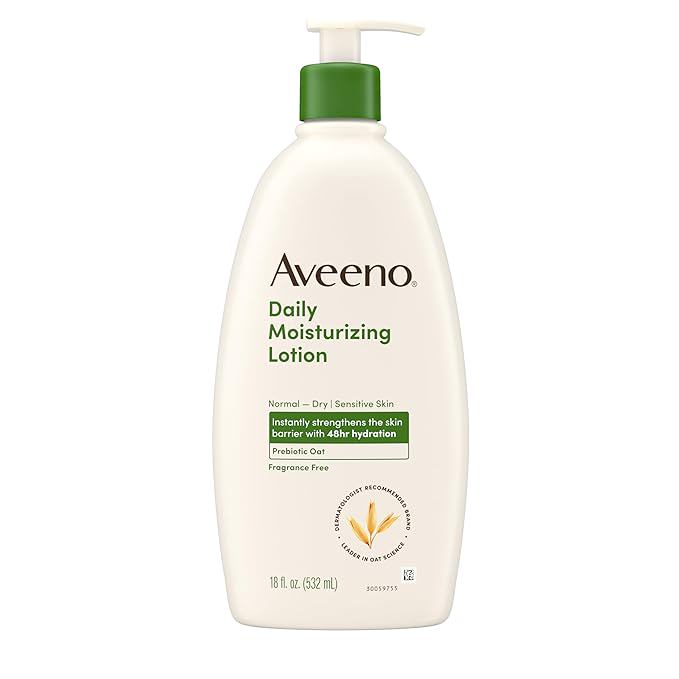
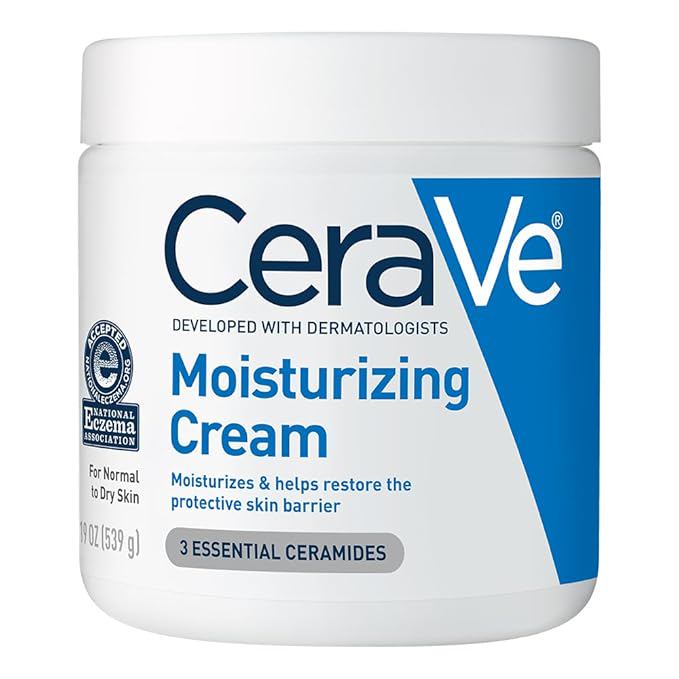
Skipping moisturizer is a common mistake for oily or acne-prone skin. Dehydrated skin produces even more oil to compensate, and a damaged barrier makes it harder for the skin to handle cortisol. Choose a lightweight, non-comedogenic moisturizer with ingredients like squalane, ceramides, or hyaluronic acid. These hydrate without clogging pores. Apply while the skin is still slightly damp from your toner to lock in moisture.
Step 4: Targeted treatment, not a full-face assault
Morning is not the time for strong exfoliants or heavy-duty acne treatments. Instead, if you have active stress breakouts, use a spot treatment with a low concentration of salicylic acid or sulfur only on the blemishes themselves. For the rest of the face, stick with the moisturizer. Over-treating spreads inflammation.
Step 5: Sunscreen as a stress shield
Ultraviolet exposure inflames the skin and can worsen post-acne marks—especially when you're already dealing with stress-induced breakouts. Sunscreen is non-negotiable. Look for a zinc oxide or titanium dioxide-based mineral sunscreen (or a gentle chemical one) with at least SPF 30. Mineral sunscreens are often less irritating for sensitive, acne-prone skin. Apply it as the final step of your morning routine, and let it sit for a couple minutes before doing anything else.
If you have a busy morning, a moisturizer with built-in SPF can simplify things—just make sure it's non-comedogenic.
Mindfulness in motion: the non-skincare part
Topical products can only do so much if your cortisol stays high all day. The routine itself can be a de-stressor if you do it deliberately. Try these small shifts:
- Breathe for 30 seconds before applying your moisturizer. Focus on exhaling slowly.
- Use cool water for the final rinse. Warm water can be soothing, but hot water strips the barrier.
- Keep your hands clean and avoid touching your face after washing. It's a simple rule that reduces transfer of bacteria and oil.
What to avoid in the morning
Some habits can undo the calming effects of your routine:
- Avoid high-glycemic breakfasts (sugary cereal, white bread, pastries) as they can spike insulin and potentially worsen acne.
- Skip the heavy foundation if you can. A tinted sunscreen or a mineral powder can even out tone without trapping oil.
- Don't rub or scrub your face dry. Pat gently with a clean towel.
A consistent, gentle morning routine is not a quick fix, but it builds resilience. Over weeks, you may notice that your skin reacts less intensely to stress, and breakouts become smaller and heal faster. That's the quiet power of showing up calmly—even on the mornings when you wake up tired or anxious.