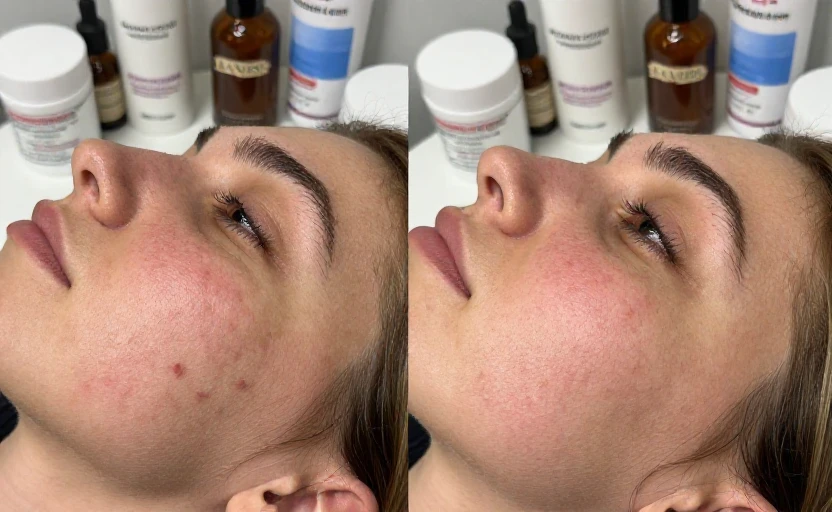
After a breakout finally calms down, it often leaves a calling card—a flat, discolored mark where the inflammation once was. These post-acne marks, medically known as post-inflammatory hyperpigmentation (PIH), can feel like a second act of frustration. The good news is that you don't have to just wait for them to fade on their own, which can take months or even years. A thoughtful, ingredient-focused approach at home can significantly speed up the process, helping your skin return to a more even, clear state.
This isn't about harsh scrubs or quick fixes. It's about understanding how these marks form and selecting ingredients with solid scientific backing that work with your skin's natural renewal cycle. By targeting the key processes behind discoloration—excess melanin production and slowed skin cell turnover—you can create an effective, gentle routine.
How do post-acne marks form?
When you get a pimple, your body sends inflammatory signals to the area to heal it. This inflammation can trigger melanocytes, the pigment-producing cells in your skin, to go into overdrive. They produce excess melanin, which deposits in the skin's upper layers as the spot heals, leaving behind a brown, purple, or red mark. The darker your natural skin tone, the more pronounced this effect tends to be. It's a protective response, but one that leaves a visible trace long after the original blemish is gone.
The goal is to gently interrupt the pigment production process and encourage fresh, healthy skin cells to come to the surface.
Core ingredients for fading marks
Building your routine around a few key players can yield noticeable results. Consistency and patience are your greatest allies here, as skin renewal is a gradual process.
Vitamin C (Ascorbic Acid and its derivatives)
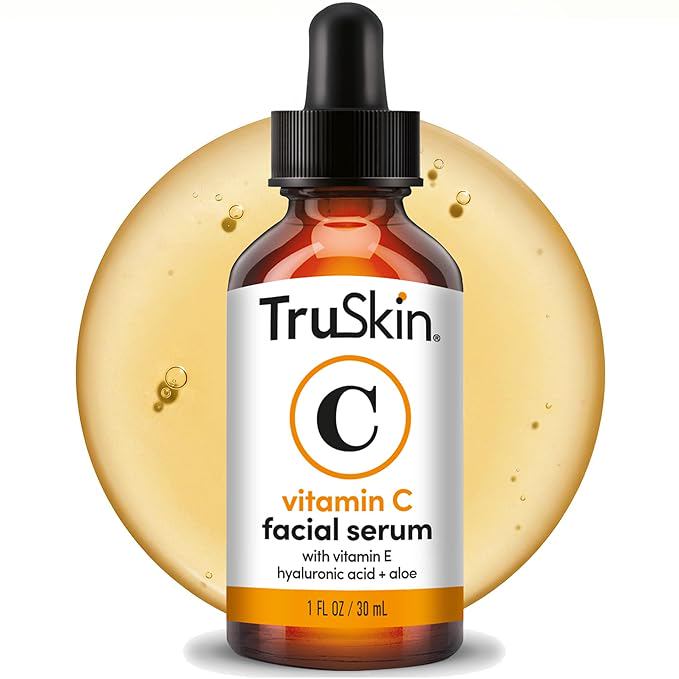
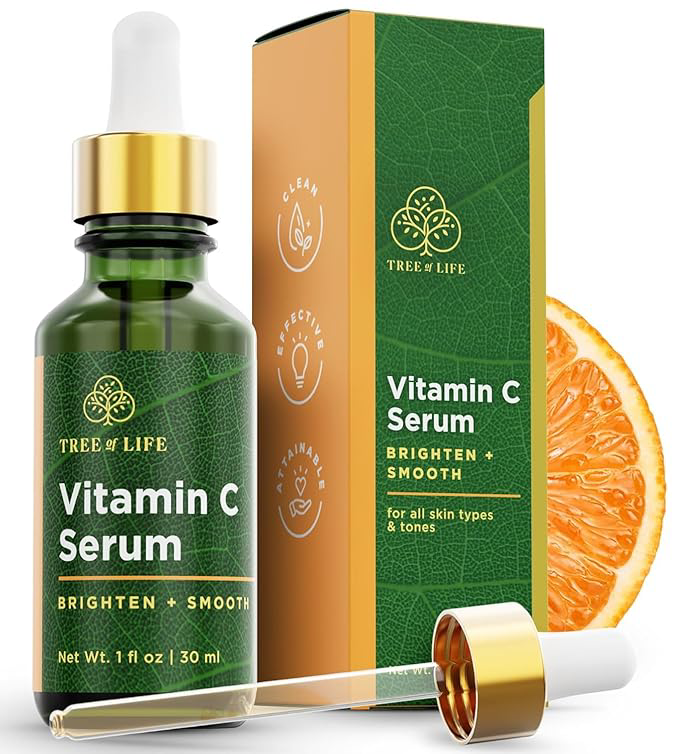
A true multitasker, vitamin C is a powerhouse antioxidant that works on several fronts to address post-acne marks. It inhibits the enzyme tyrosinase, which is crucial for melanin production, helping to prevent new pigment from forming. It also helps fade existing dark spots by encouraging cell turnover and providing antioxidant protection against environmental stressors that can worsen pigmentation. Look for stable forms like L-ascorbic acid (in an airtight, opaque container), sodium ascorbyl phosphate, or tetrahexyldecyl ascorbate.
Niacinamide (Vitamin B3)
Niacinamide is celebrated for its gentleness and efficacy, making it suitable for many skin types, including sensitive or acne-prone skin. It works by inhibiting the transfer of pigment (melanin) from the melanocytes to the surrounding skin cells. Think of it as blocking the delivery trucks, so the pigment never gets to its destination. Studies show it can visibly improve skin tone and hyperpigmentation with regular use, often at concentrations between 5% and 10%.
Azelaic Acid
Originally derived from grains like wheat and barley, azelaic acid is a particularly smart choice if you're still experiencing occasional breakouts alongside older marks. It has anti-inflammatory and antimicrobial properties, making it effective against active acne, while also working to normalize abnormal melanocyte activity. It's well-tolerated by most and can be used alongside other ingredients like retinoids or vitamin C.
Retinoids (Retinol, Retinaldehyde)
Retinoids, derivatives of vitamin A, are the gold standard for accelerating skin cell renewal. By increasing the rate at which your skin sheds old, pigmented cells and generates new ones, they help fade marks more quickly. Over-the-counter retinol is a great starting point. It requires consistency and sun protection, as it can make skin more sensitive to sunlight, but the payoff in smoother, more even-toned skin is significant.
Alpha Hydroxy Acids (AHAs)
AHAs like glycolic acid and lactic acid are chemical exfoliants. They work by dissolving the "glue" that holds dead skin cells together on the surface. By gently sloughing off this top layer, they help fade superficial pigmentation and allow other brightening ingredients to penetrate more effectively. They are best used in a leave-on serum or a weekly treatment mask, not a daily scrub.
Building a safe and effective routine
More is not always better. The key is to introduce one active ingredient at a time, starting slowly (e.g., 2-3 times a week) to see how your skin responds. A simple, layered approach often works best.
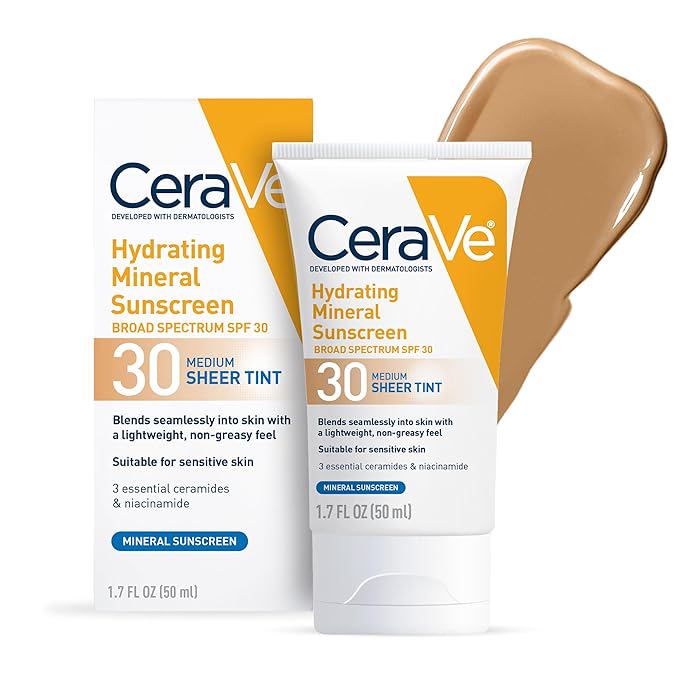
- Morning: Cleanse, apply a vitamin C serum, follow with a moisturizer, and always finish with a broad-spectrum SPF 30 or higher. Sunscreen is non-negotiable, as UV exposure will darken existing marks and hinder progress.
- Evening: Cleanse, apply your treatment serum (like niacinamide or azelaic acid) or retinoid (on alternate nights if using both), and finish with a moisturizer.
- You might use an AHA exfoliant 1-2 nights a week, taking a break from retinoids on those nights.
Listen to your skin. If you experience redness, stinging, or excessive dryness, scale back frequency or pause use. The skin barrier must be healthy for any treatment to work properly.
What to expect and when to seek professional help
With consistent use, you may start to see slight lightening in 4-6 weeks, with more significant results often appearing after 3-6 months of dedicated care. True skin transformation takes time.
If your marks are very deep, persistent, or you're not seeing progress with a diligent at-home regimen, consulting a dermatologist is a wise step. They can offer stronger, prescription-grade treatments like hydroquinone (used for short periods under supervision), higher-strength retinoids (tretinoin), or in-office procedures like chemical peels or laser therapy, which can be tailored to your specific skin needs.
Remember, the journey to fading post-acne marks is a marathon, not a sprint. By choosing proven ingredients, respecting your skin's pace, and shielding it daily from the sun, you support its natural ability to heal and renew, revealing a more even, confident complexion.