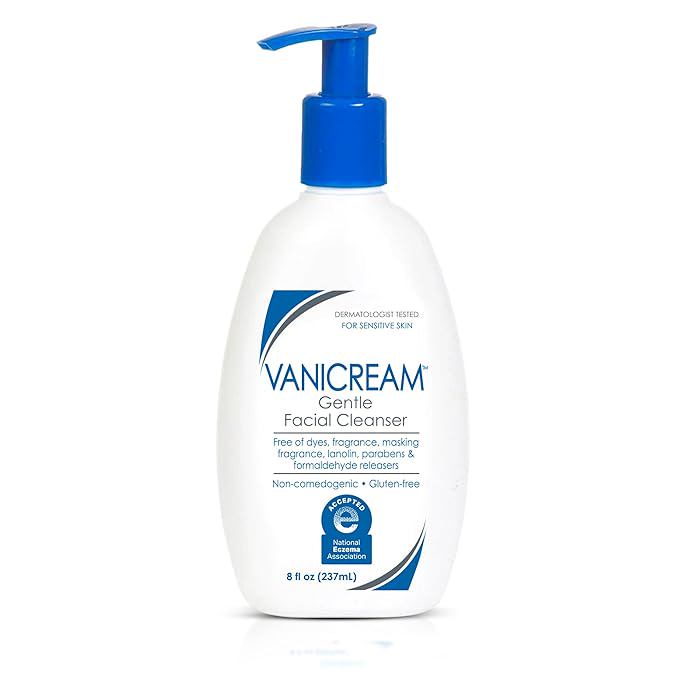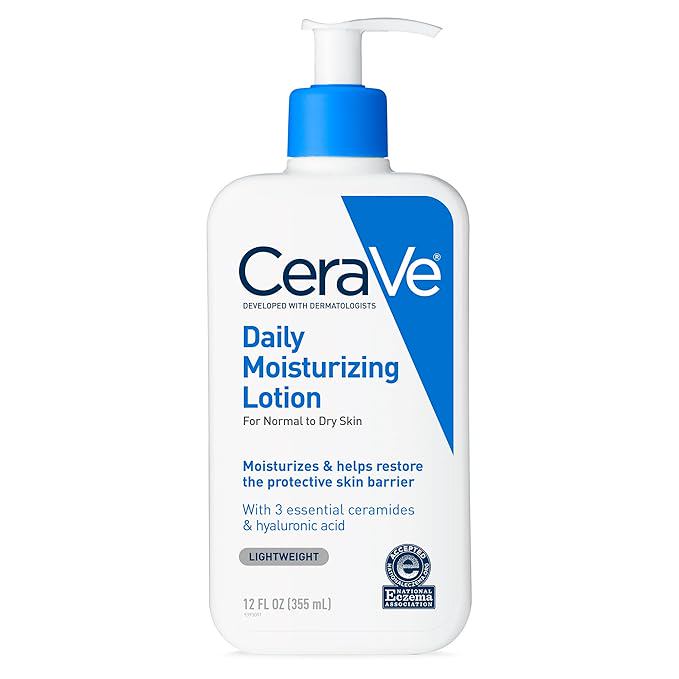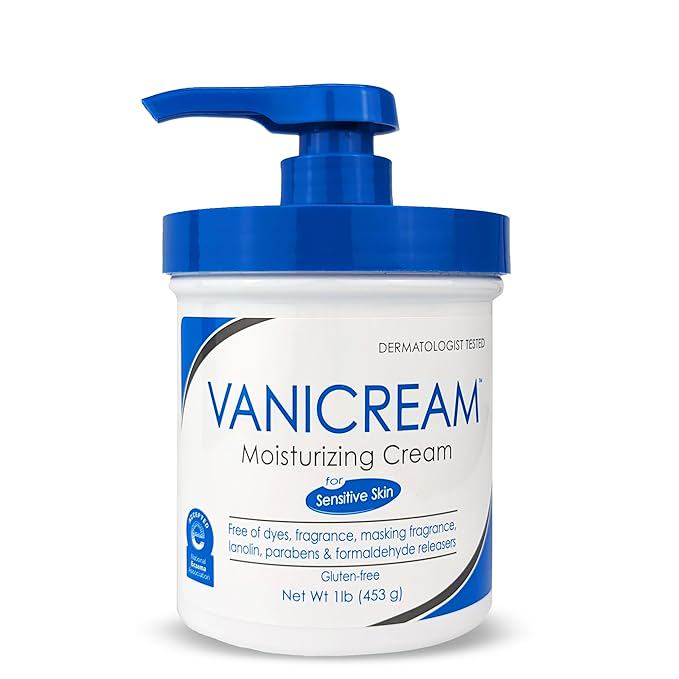
Navigating skincare as a teenager can feel like a minefield. Your skin is changing, hormones are fluctuating, and the pressure to find a solution that works without causing more problems is real. The key isn't to attack your skin with the strongest products you can find, but to build a gentle, consistent routine with ingredients that respect your skin's delicate balance while effectively managing breakouts.
Think of it as nurturing rather than waging war. The right ingredients can calm inflammation, clear pores, support your skin's barrier, and prevent new blemishes from forming—all without the redness, peeling, or irritation that can come from overly harsh treatments. Let's explore the expert-recommended ingredients that form the foundation of a truly gentle, effective routine for teenage, acne-prone skin.
What makes an ingredient "gentle" for teenage skin?
Gentle doesn't mean ineffective. For teenage skin, which is often more sensitive and reactive, a gentle ingredient is one that targets acne without severely compromising the skin's protective barrier. Harsh products can strip the skin of its natural oils, leading to rebound oil production, increased sensitivity, and even more breakouts. The goal is clarity and health, not punishment. Effective gentle ingredients work by unclogging pores, reducing bacteria, and calming inflammation in a way that the skin can tolerate daily.
The most common mistake is using products that are too aggressive, which damages the skin barrier and can actually worsen acne over time.
Core gentle cleansers: Starting with a clean slate
Every good routine begins with a proper cleanse. This step removes excess oil, dirt, and impurities without leaving skin feeling tight or squeaky-clean—a sign it's been stripped.
Salicylic Acid (BHA): This beta-hydroxy acid is oil-soluble, meaning it can dive into pores to dissolve the mix of oil and dead skin cells that lead to clogs. At concentrations around 0.5% to 2%, it exfoliates inside the pore, reduces inflammation, and is excellent for treating blackheads and whiteheads. Look for it in wash-off cleansers, which allow it to work without prolonged contact that might irritate.
Zinc PCA: A gentler alternative often found in cleansers and toners, Zinc PCA helps regulate sebum (oil) production and has anti-inflammatory and antibacterial properties. It's a multitasker that supports clearer skin without the potential dryness of stronger actives.
Soothing and barrier-supporting heroes
Acne is an inflammatory condition. Calming the skin is half the battle, and maintaining a strong skin barrier prevents irritation and protects against environmental stressors.
Niacinamide (Vitamin B3): This superstar ingredient is a must for acne-prone skin. At concentrations of 2-5%, it helps regulate oil production, minimizes the appearance of pores, reduces redness and inflammation, and strengthens the skin's barrier. It's exceptionally well-tolerated and can be used twice daily.
Centella Asiatica (Cica): Long used in traditional medicine, this botanical extract is a powerful soothing agent. It calms irritation, reduces redness, and promotes skin healing—perfect for counteracting any potential sensitivity from other acne-fighting ingredients.
Ceramides: These are lipids naturally found in your skin's barrier. Using products with ceramides helps replenish and maintain this protective layer, keeping moisture in and irritants out. A strong barrier is less prone to reactivity and can better tolerate a consistent skincare routine.
Effective yet gentle treatment ingredients
When a breakout appears, you need targeted treatments. These ingredients provide the acne-fighting power while still being formulated for sensitive, young skin.
Azelaic Acid (often at 10%): A fantastic multi-purpose ingredient. It's anti-inflammatory, antimicrobial, and helps normalize the shedding of skin cells inside the follicle to prevent clogs. It's particularly good for treating red, inflamed pimples and can also help with post-acne redness. It's generally less irritating than benzoyl peroxide for many people.
Retinoids (specifically Adapalene 0.1%): Once prescription-only, this retinoid is now available over-the-counter. It works by speeding up cell turnover to prevent pores from clogging and has anti-inflammatory effects. It can cause some initial dryness or peeling ("retinization"), so start by applying it just 2-3 nights a week over a moisturizer to buffer the effect. Consistency and sunscreen use are non-negotiable with this ingredient.
A note on benzoyl peroxide
Benzoyl peroxide is a potent antibacterial agent. While effective, it can be very drying and irritating for some. If you choose to use it, opt for a low concentration (2.5% is often as effective as 10% with less irritation) in a wash-off cleanser or as a short-contact treatment, applying it for 2-5 minutes before rinsing off.
Hydrators that won't clog pores
Even oily, acne-prone skin needs hydration. Skipping moisturizer can signal your skin to produce even more oil. The trick is to use lightweight, non-comedogenic formulas.
Look for oil-free gels or light lotions with ingredients like hyaluronic acid (which draws moisture into the skin without heaviness) and glycerin. These provide essential hydration without adding oil or clogging pores.
Building your simple, gentle routine
Complexity is the enemy of consistency. A simple routine you'll actually follow is far better than a complicated one you abandon.
- Morning: Gentle cleanser (or just water if your skin is dry), moisturizer with SPF 30 or higher. Sunscreen is critical, especially if using ingredients like retinoids or AHAs/BHAs that can increase sun sensitivity.
- Evening: Gentle cleanser (to remove sunscreen and the day's grime), treatment product (like adapalene or azelaic acid on affected areas, used on alternating nights if combining), lightweight moisturizer.
Introduce one new product at a time, waiting a week or two before adding another. This allows you to see how your skin reacts and pinpoint any product that doesn't agree with you. Patience is not just a virtue in skincare; it's a requirement. It can take 4 to 8 weeks of consistent use to see significant improvements.
Remember, your skin is a living organ, not a problem to be solved. By choosing expert-backed, gentle ingredients and committing to a consistent routine, you're investing in your skin's long-term health, not just a quick fix. When in doubt, or if your acne is severe or causing distress, consulting a dermatologist is always the best step. They can provide personalized guidance and treatment options tailored just for you.