You’ve just finished a demanding strength session. Your muscles feel the familiar hum of exertion, and you know the next phase—recovery—is just as critical as the lifts themselves. For anyone focused on building strength and muscle, the question of post-workout nutrition, particularly protein, is central. Yet, it’s often clouded by extremes: from the minimalist “it doesn’t matter” to the maximalist “chug a shake immediately or lose all gains.” The reality, supported by exercise science, is more nuanced and less frantic.
Let’s clear the air. Consuming protein after resistance training supports the muscle repair and growth processes you’ve triggered. It provides the essential amino acids, the building blocks, needed to synthesize new muscle proteins. But the “optimal” approach isn’t a single magic number or a stopwatch-countdown window. It’s a framework that considers your total daily intake, the quality of your protein sources, and how it fits into your overall diet and lifestyle.
How Much Protein Do You Actually Need After Lifting?
This is the core question. Research consistently points to a specific range for maximizing muscle protein synthesis (MPS)—the process of building new muscle—after a workout. The consensus among sports nutrition researchers is that 20 to 40 grams of high-quality protein is sufficient for most strength athletes in a single post-exercise dose.
For the average person, aiming for the lower end of that range—around 20-25 grams—is a practical and effective target. This amount provides enough leucine, a key amino acid that acts as the primary trigger for MPS. Larger individuals or those with significant muscle mass may benefit from leaning toward the higher end, up to 40 grams. Consuming significantly more than this in one sitting doesn’t appear to further stimulate muscle growth and may simply be used for energy or stored.
Think of it as filling a construction site with bricks. 20-40 grams delivers enough materials (amino acids) and the foreman (leucine) to get the building crew working at full capacity. More bricks just pile up unused.
The “Anabolic Window”: How Time-Sensitive Is It?
The old dogma insisted you had a 30- to 60-minute “anabolic window” post-workout to get protein in, or your efforts would be wasted. While immediate consumption isn’t harmful, contemporary science has widened that view considerably.
The heightened sensitivity of your muscles to protein lasts for at least 24 hours after a resistance training session. The most critical period is likely the first few hours, but the overarching priority is your total protein intake over the entire day. If you train in the morning and have a protein-rich breakfast an hour later, you’re fine. If you prefer to train before lunch or dinner and eat a balanced meal afterward, that works too.
The practical takeaway: Don’t stress about the clock. If you can conveniently have a protein source within an hour or two, great. If not, ensure your next full meal is protein-rich. The window is more of a spacious, open-ended barn door than a narrow, slamming one.
Best Protein Sources for Muscle Repair
Not all protein is created equal. “High-quality” or “complete” proteins contain all nine essential amino acids in ratios that are well-utilized by the body. For post-workout nutrition, focusing on these sources is key.
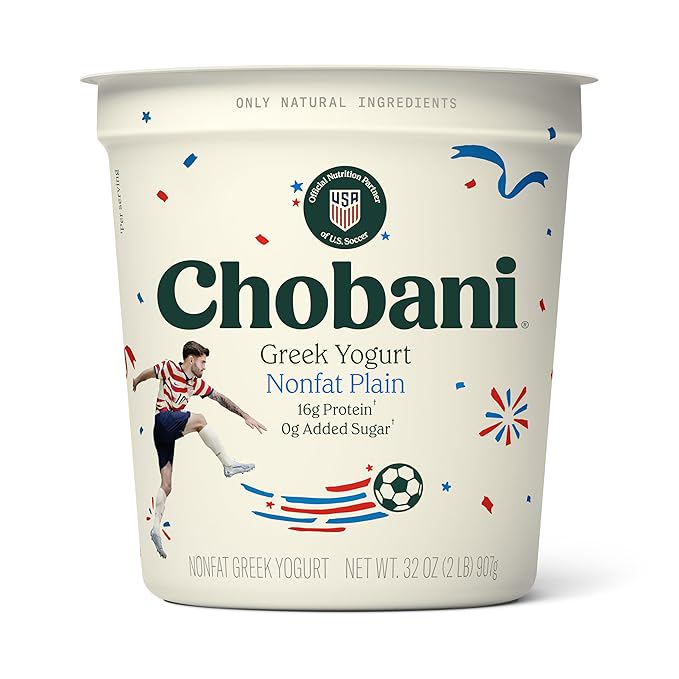
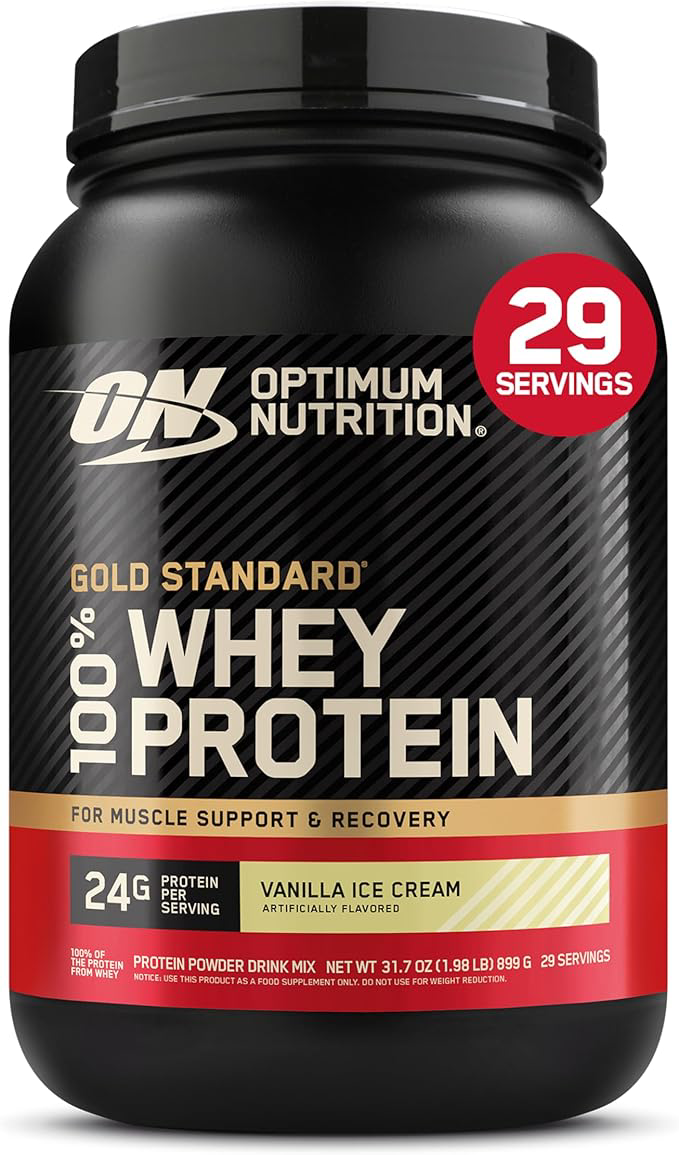
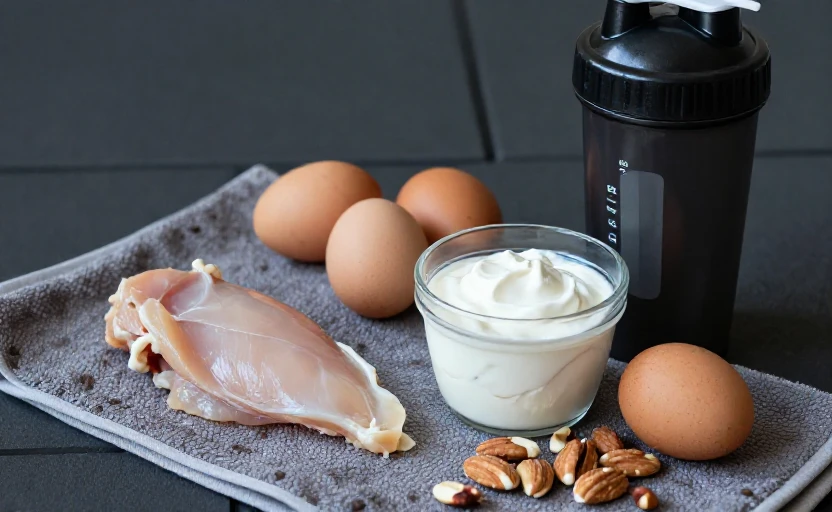
- Animal-based sources: Whey protein is popular for a reason—it’s rapidly digested, rich in leucine, and convenient. Casein digests more slowly, providing a longer, steadier release of amino acids. Whole foods like chicken, turkey, eggs, Greek yogurt, cottage cheese, and fish are excellent choices that also deliver other vital nutrients.
- Plant-based sources: For those following a plant-based diet, combining sources is important to create a complete amino acid profile. A meal with rice and beans, tofu with quinoa, or a pea protein shake can be very effective. Soy protein is a notable plant-based complete protein as well.
The best source is one you’ll consistently consume and that agrees with your digestive system. Whole foods should form the foundation, with supplements like protein powders serving as a convenient tool, not a necessity.
Integrating Post-Workout Protein into Your Daily Totals
Your post-workout protein isn’t an isolated event; it’s a chapter in the story of your day’s nutrition. For strength athletes, general guidelines suggest consuming 1.6 to 2.2 grams of protein per kilogram of body weight per day. For a 180-pound (82 kg) person, that’s roughly 130 to 180 grams daily.
Spreading this intake relatively evenly across 3-4 meals, each containing that 20-40 gram threshold, appears to be more effective for sustaining MPS than eating most of your protein in one large meal. Your post-workout meal or snack is simply one of those important doses.
A Simple Framework for Your Next Session
If you’re looking for a no-fuss plan, here’s a straightforward approach:
- Hydrate first. Drink water to replace fluids lost during your session.
- Aim for 20-40 grams of protein from a high-quality source within a couple of hours of finishing.
- Pair it with carbohydrates. While protein is the star for repair, carbohydrates help replenish muscle glycogen (stored energy) and can create a hormonal environment that supports the uptake of amino acids. A simple ratio like 2:1 or 3:1 carbs-to-protein is a common guideline.
- Let it be part of a whole meal or a thoughtful snack. A chicken breast with sweet potato and greens, or a smoothie with protein powder, banana, and spinach, checks all the boxes.
Ultimately, consistency in both your training and your nutrition habits will yield far greater results than obsessing over the minutiae of any single post-workout shake. Listen to your body, prioritize whole foods, and view your post-workout protein as a supportive, non-negotiable part of your strength journey—not a source of daily anxiety.