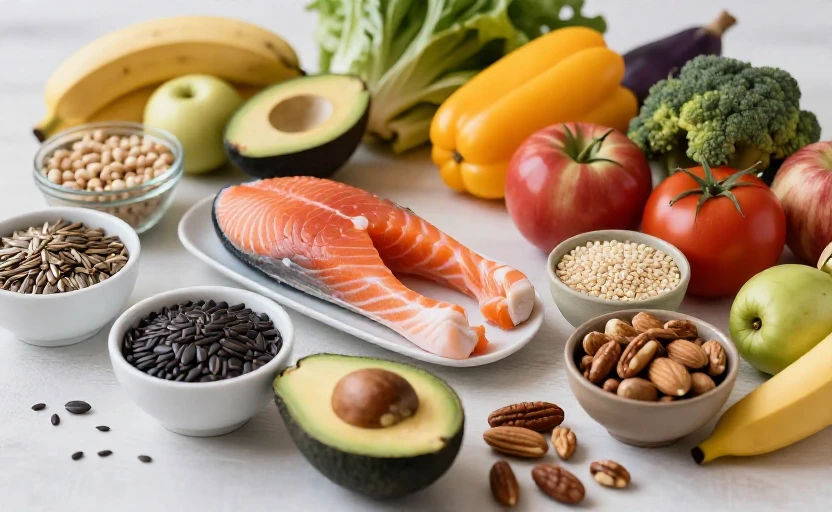
If you’re managing dry skin, you’ve likely tried creams, serums, and gentle cleansers. While topical care is essential, what you put on your plate plays a surprisingly powerful role in your skin’s ability to stay hydrated from the inside out. Long-term skin health isn’t just about what you apply; it’s deeply connected to the nutrients you consume.
Think of your diet as the foundational layer of your skincare routine. The right foods support your skin’s natural lipid barrier, help it retain moisture, and protect it from environmental stressors that can lead to dryness and irritation. This isn’t about a quick fix, but about building sustainable eating habits that nourish your skin for the long haul.
How does diet actually affect dry skin?
Your skin is your body’s largest organ, and its outermost layer, the stratum corneum, acts as a barrier. For this barrier to function properly—keeping moisture in and irritants out—it needs specific building blocks: essential fatty acids, ceramides, and antioxidants. A diet lacking in these key nutrients can compromise the barrier’s integrity, leading to increased water loss and that familiar tight, flaky feeling.
Chronic dryness is often a sign of a weakened skin barrier. Nutrition provides the raw materials needed to repair and maintain it.
Furthermore, systemic inflammation in the body can manifest as skin irritation and exacerbate conditions like eczema or general dryness. An anti-inflammatory diet rich in colorful fruits, vegetables, and healthy fats can help calm this internal environment, creating a more favorable condition for supple skin.
Key nutrients for a hydrated complexion
Focusing on a few cornerstone nutrients can make a tangible difference. You don’t need exotic supplements; these are readily available in everyday foods.
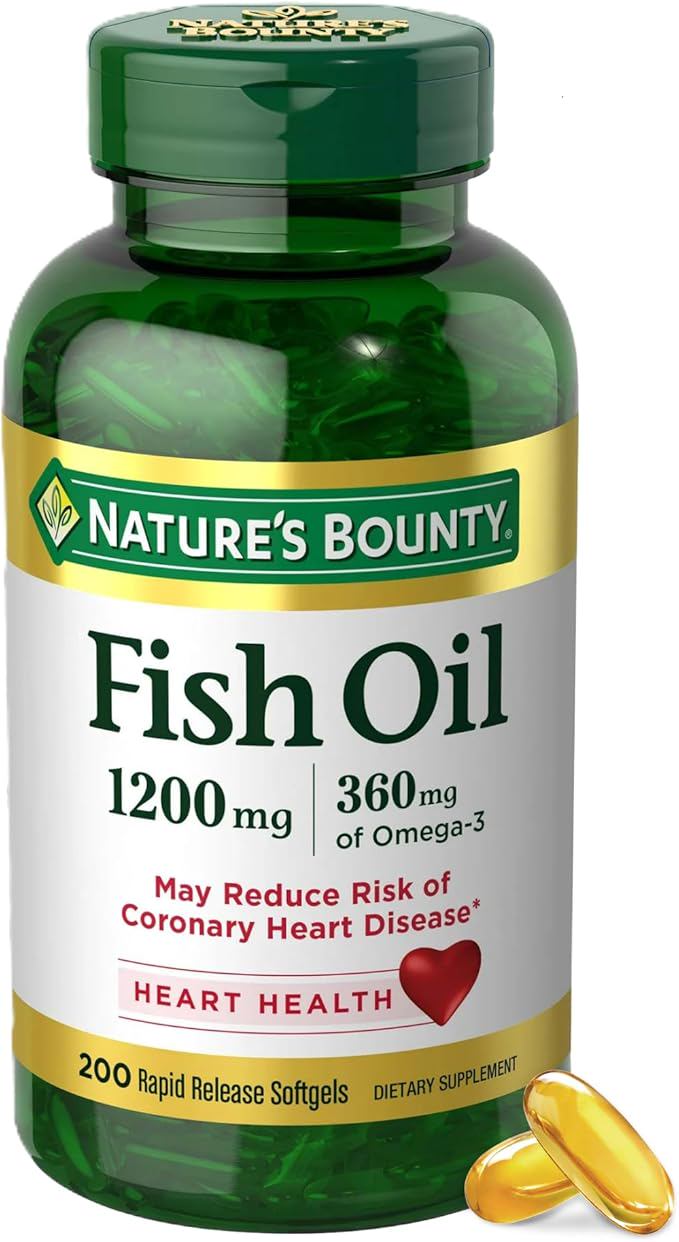
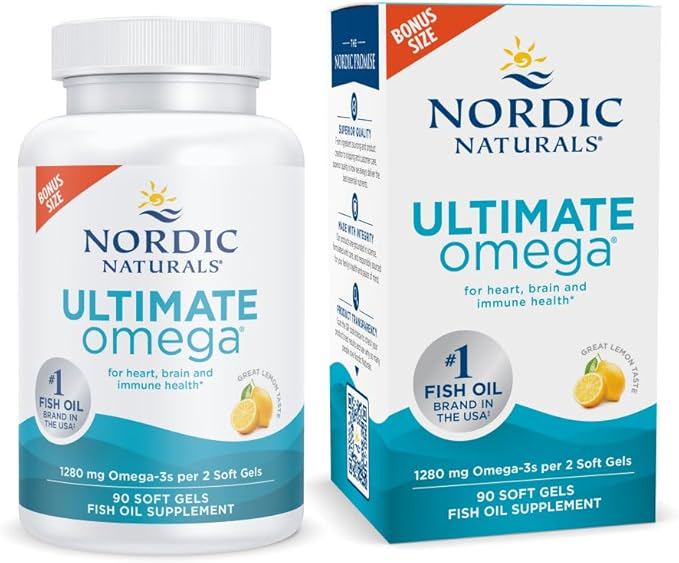
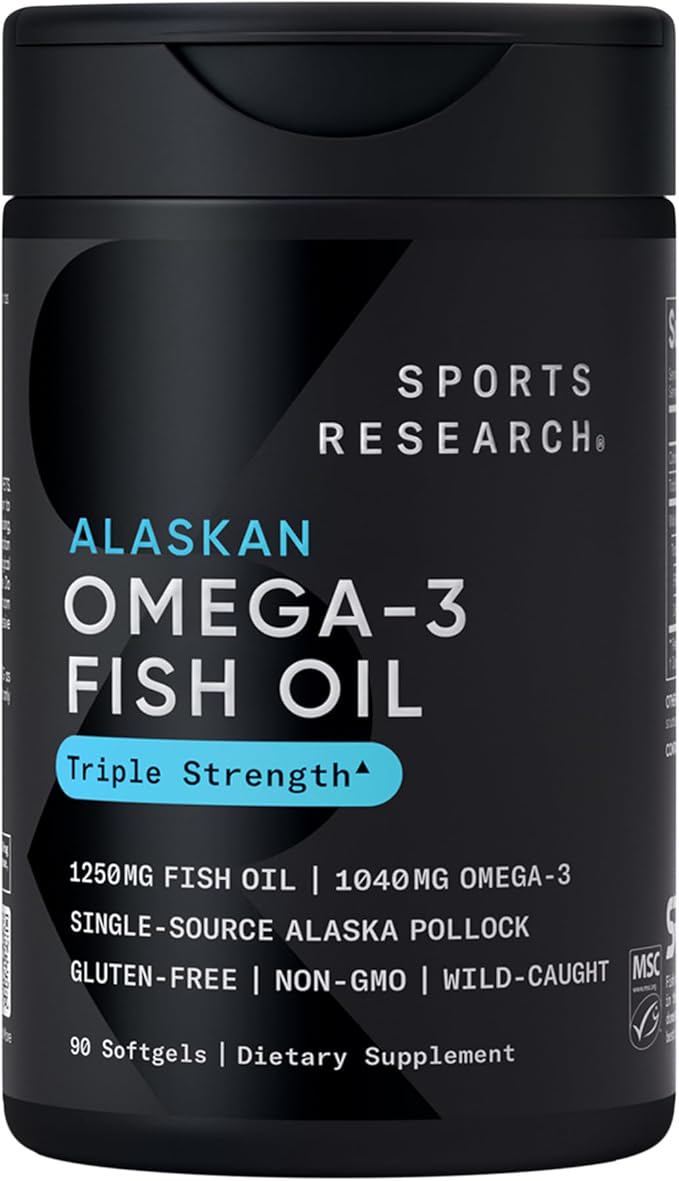
Omega-3 Fatty Acids: These are the superstars for fighting dryness. They are incorporated into your skin cells, helping to fortify the lipid barrier and reduce inflammation. Excellent sources include fatty fish like salmon, mackerel, and sardines, as well as walnuts, flaxseeds, and chia seeds.
Vitamin E: This fat-soluble antioxidant protects skin cells from oxidative damage caused by free radicals (from sun exposure, pollution, etc.) and works in tandem with other nutrients. Find it in almonds, sunflower seeds, spinach, and avocados.
Vitamin C: Crucial for collagen production, which gives skin its structure and plumpness, vitamin C also aids in skin healing and protection. Citrus fruits, bell peppers, strawberries, and broccoli are all packed with it.
Zinc: This mineral supports skin regeneration, helps control inflammation, and is involved in the production of new skin cells. Pumpkin seeds, lentils, chickpeas, and shellfish are good dietary sources.
Foods to embrace for long-term skin hydration
Building your meals around these skin-friendly foods creates a consistent stream of hydration support.
- Fatty Fish: Aim for two servings per week of salmon, herring, or mackerel to boost your omega-3 intake.
- Avocados: Loaded with healthy fats and vitamin E, they help your skin retain moisture.
- Sweet Potatoes & Carrots: Their beta-carotene (which converts to vitamin A in the body) supports skin cell turnover and barrier function.
- Nuts and Seeds: A handful of walnuts or almonds makes for a perfect snack, delivering omega-3s, vitamin E, and zinc.
- Cucumbers & Celery: Their high water content contributes to your overall fluid intake, providing direct hydration.
Hydration is more than just water
While drinking adequate water is non-negotiable for overall health, hydration for your skin is also about holding onto that water. This is where electrolytes like potassium and magnesium come in, as they help regulate fluid balance within cells. Include bananas, leafy greens, and coconut water in your diet.
Conversely, be mindful of diuretics like excessive caffeine and alcohol, which can promote fluid loss. This doesn’t mean you must eliminate your morning coffee, but balancing it with plenty of water and hydrating foods is key.
Foods and habits that may worsen dryness
Just as some foods help, others can hinder your efforts. Highly processed foods, excessive sugar, and refined carbohydrates can spike inflammation and may impair collagen. A diet consistently high in these can leave skin more vulnerable to dryness and irritation.
It’s also wise to pay attention to how your body responds to common allergens like dairy or gluten. For some individuals, these can trigger inflammatory responses that show up on the skin. If you suspect a food sensitivity is affecting your skin, discussing it with a healthcare provider or registered dietitian is the best course of action.
Managing dry skin through diet is a gentle, cumulative process. There’s no single “miracle” food, but rather a pattern of eating that consistently supplies your skin with the tools it needs to thrive. By focusing on whole, nutrient-dense foods rich in healthy fats, antioxidants, and minerals, you’re investing in your skin’s long-term resilience and natural glow.