If you have oily skin, you know the familiar frustration: a new moisturizer or foundation promises a flawless finish, only to lead to a fresh crop of clogged pores and breakouts a few days later. The culprit is often hidden in the ingredient list—substances that are comedogenic, meaning they have a tendency to block pores. Navigating the world of “non-comedogenic” labels can feel like a minefield, but with a bit of expert guidance, you can learn to select products that truly support your skin’s health without the unwanted side effects.
Non-comedogenic simply means a product is formulated with ingredients less likely to clog pores. For those with oily or acne-prone skin, this isn’t just a marketing buzzword; it’s a crucial filter for building a skincare routine that manages shine and prevents breakouts. The goal isn’t to strip your skin of all its natural oils, but to hydrate and protect it with formulations that respect its unique needs.
Understanding Your Skin and Pore Cloggers
Oily skin produces an excess of sebum, the skin’s natural oil. When this sebum mixes with dead skin cells and certain cosmetic ingredients, it can form a plug within the hair follicle. This creates the perfect environment for the bacteria Cutibacterium acnes to thrive, leading to inflammation and the formation of comedones—what we commonly call blackheads and whiteheads.
Comedogenic ingredients are typically heavy, occlusive oils and waxes that sit on the skin's surface. Common offenders include coconut oil, cocoa butter, and some forms of lanolin and algae extract. It’s important to note that comedogenicity isn’t absolute; it depends on the concentration used and the individual’s unique skin chemistry. What clogs one person’s pores may not affect another’s, which is why patch testing remains invaluable.
Think of non-comedogenic as a promise of compatibility, not a guarantee. Your skin’s individual reaction is the final test.
How to Decode Labels and Ingredient Lists
The term “non-comedogenic” is not regulated by agencies like the FDA, so brands can use it without standardized testing. This makes you, the consumer, your own best advocate. The most reliable strategy is to look past the front label and become familiar with the ingredient list (INCI).
Focus on finding products with lighter, more skin-friendly formulations. Look for:
- Lightweight hydrators: Hyaluronic acid, glycerin, and squalane are excellent humectants and emollients that provide moisture without a heavy, pore-clogging feel.
- Niacinamide (Vitamin B3): This multitasking ingredient helps regulate sebum production, improves skin barrier function, and has anti-inflammatory properties.
- Oil-free or water-based gels: These are often ideal for oily skin types, providing hydration with a matte or natural finish.
Be wary of products high in silicones (like dimethicone) if you find they cause issues for you, as they can be occlusive for some. Similarly, while mineral oil is often highly refined and non-comedogenic in purity, heavy petrolatum-based products might be too much for very oily skin.
Building a Simple, Effective Routine
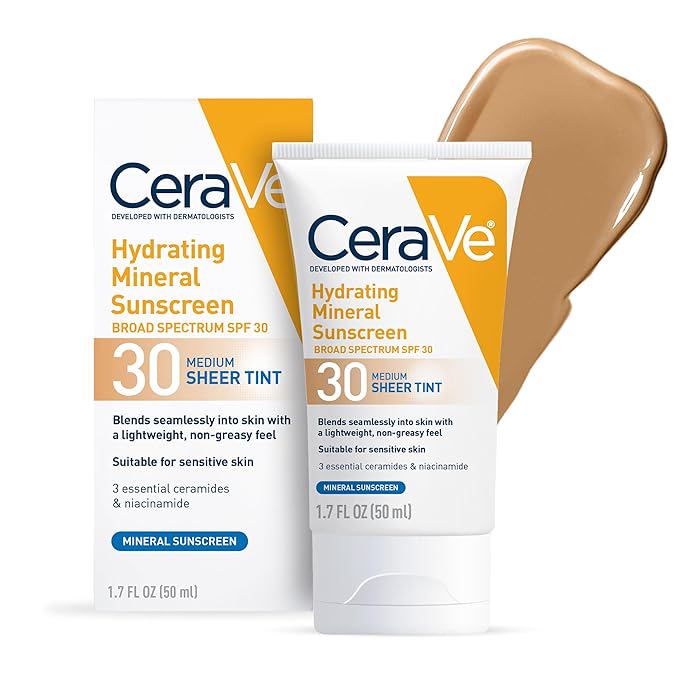
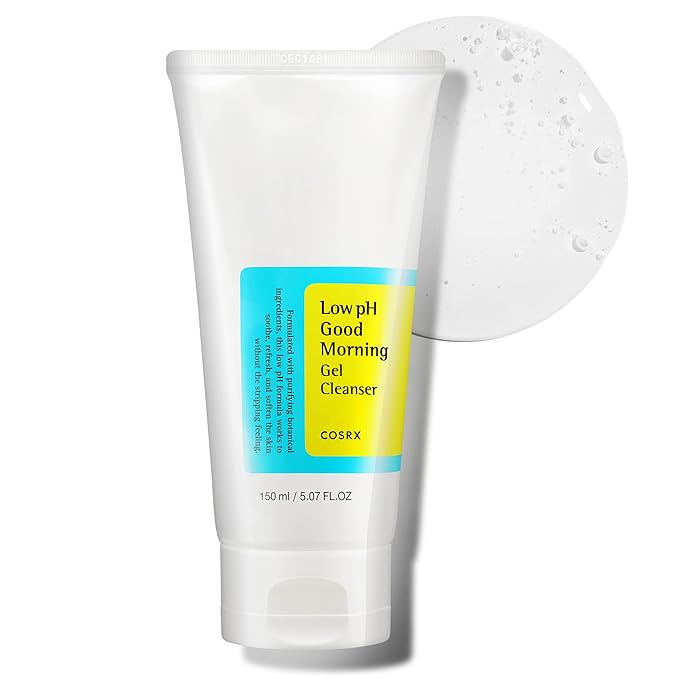
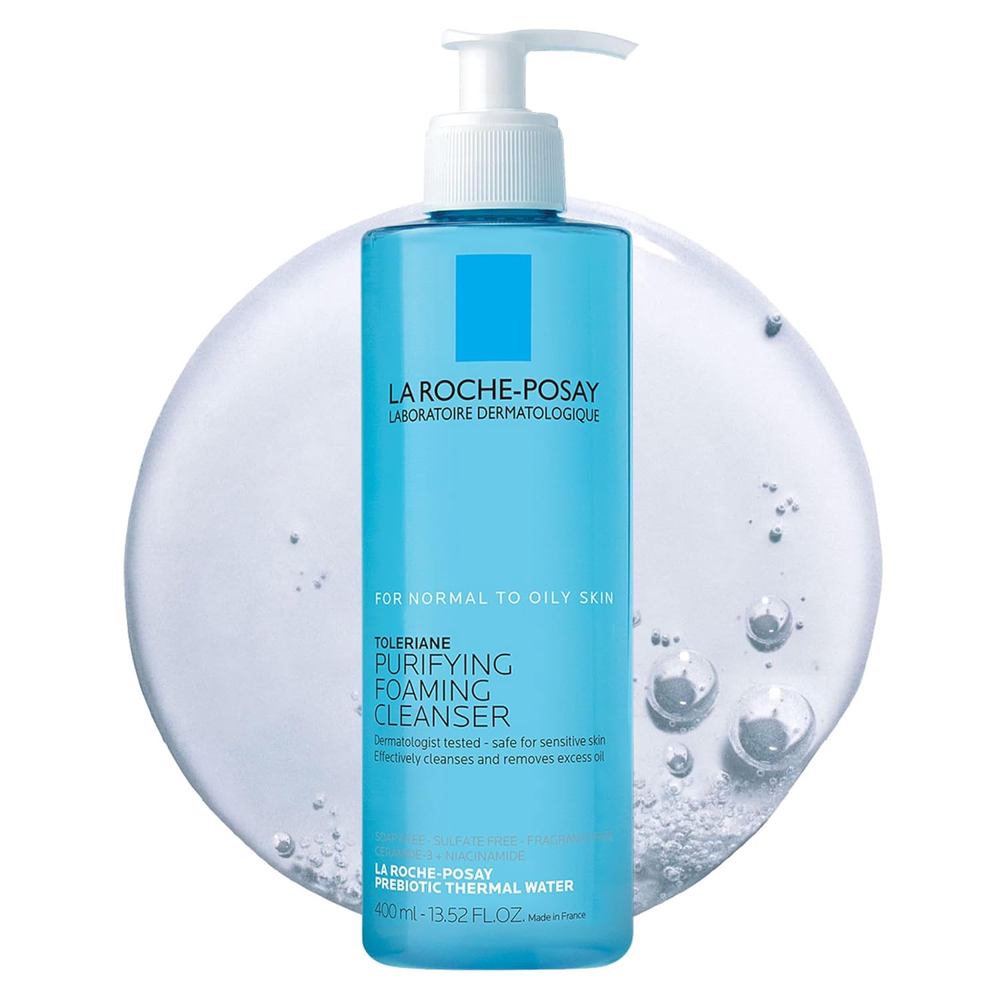
A minimalist approach is often most successful for oily skin. Overloading with products can irritate the skin and exacerbate oil production. A core routine should include a gentle cleanser, a non-comedogenic moisturizer, and a broad-spectrum sunscreen—yes, even oily skin needs daily sun protection.
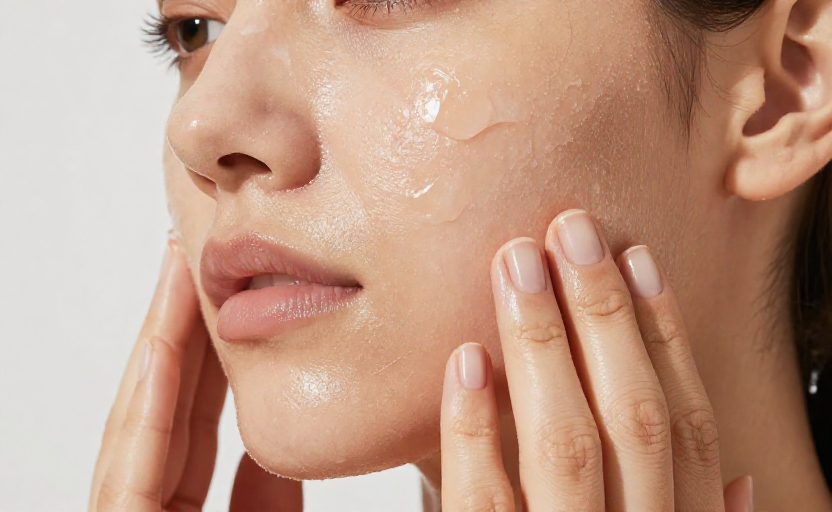
Your cleanser should effectively remove excess oil and impurities without leaving your skin feeling tight or “squeaky clean,” which can signal over-stripping. Follow with a moisturizer formulated for oily or combination skin. Hydration is not the enemy; a well-formulated moisturizer can signal to your skin that it doesn’t need to overproduce oil.
When it comes to sunscreen, many modern formulas are specifically designed for the face and are oil-free, non-comedogenic, and leave a matte finish. Chemical sunscreens with filters like avobenzone or newer generation filters often feel lighter than some physical (mineral) sunscreens, though mineral options with zinc oxide and titanium dioxide are also excellent non-comedogenic choices.
Special Considerations for Makeup and Treatments
Makeup can be a significant source of pore-clogging ingredients. Look for foundations, primers, and concealers labeled oil-free and non-comedogenic. Powder-based or mineral makeup can be a good option, as they often contain fewer binding agents that may clog pores. Regardless of the product, thorough, gentle removal every single night is non-negotiable.
If you use treatment products for acne, such as those containing salicylic acid or retinoids, the non-comedogenic nature of your supporting products (moisturizer, sunscreen) becomes even more critical. These active ingredients increase skin cell turnover and can cause dryness or irritation; pairing them with heavy, clogging moisturizers to compensate can undo their benefits and lead to more breakouts.
Patch Testing: Your Personal Guarantee
No article or ingredient database can predict exactly how your skin will react. Before integrating any new product fully, conduct a patch test. Apply a small amount to a discreet area where you are prone to breakouts, like along the jawline or side of the forehead, for at least several days to a week. Monitor for any new clogged pores or pimples. This simple step can save you from a full-face reaction.
Choosing skincare for oily skin is an exercise in informed selection and patience. By prioritizing non-comedogenic formulations, learning to read ingredient lists, and listening to your skin’s responses, you can build a routine that manages shine, minimizes breakouts, and lets your healthy skin shine through.