You’ve finished your lift, wiped down the bench, and your muscles are humming with that familiar post-exhaustion buzz. What you do next—specifically, what you eat—can turn that effort into tangible strength and repair. It’s not about chugging a chalky shake because a label told you to; it’s about giving your body the specific, high-quality building blocks it’s literally asking for.
Think of your muscles after resistance training: they’ve undergone microscopic damage, their glycogen stores are tapped, and they’re primed for recovery. The right snack acts as a signal, telling your body to shift from breakdown mode into repair and growth mode. A registered dietitian’s guidance cuts through the supplement hype, focusing on whole-food, accessible combinations that work with your body’s natural processes.
What makes a snack ideal for muscle repair?
Two components are non-negotiable: protein and carbohydrates. They work as a team. Protein provides the amino acids—the literal bricks—needed to repair and build new muscle tissue. Carbohydrates, often misunderstood, play a crucial supporting role. They replenish the glycogen (stored energy) in your muscles and, importantly, trigger an insulin response that helps shuttle those amino acids into the muscle cells more efficiently.
The timing window is more forgiving than old gym lore suggested, but aiming for a snack within 45 minutes to two hours post-workout capitalizes on when your muscles are most receptive. The goal is a balanced, digestible combination, not a massive feast.
The perfect post-lift snack is a partnership: protein builds, and carbohydrates facilitate.
Dietitian-approved snack combinations
These pairings are chosen for their complementary nutrition, practicality, and ability to satisfy. They’re built from real food you can find in any grocery store.
The classic: Greek yogurt with berries and a drizzle of honey
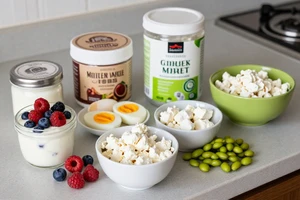
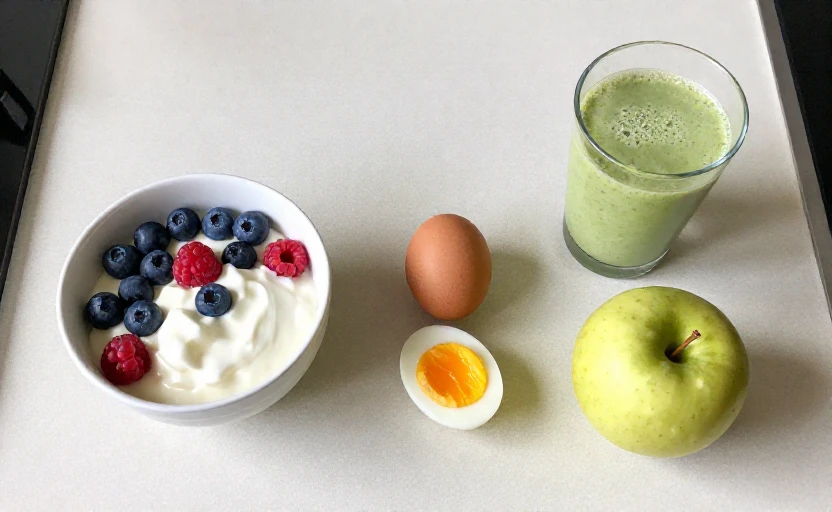
This isn’t just a parfait; it’s a recovery powerhouse. Greek yogurt offers a thick, high-protein base—often double the protein of regular yogurt. Berries add antioxidants that may help combat exercise-induced oxidative stress, along with fiber and carbs. A small drizzle of honey provides quick-digesting sugars to spike insulin beneficially and replenish glycogen. For extra staying power, sprinkle on a tablespoon of chopped nuts for healthy fats.
The savory option: Cottage cheese with cherry tomatoes and whole-grain crackers
Cottage cheese is a slow-digesting casein protein, providing a steady trickle of amino acids over several hours. Pair it with the complex carbohydrates in whole-grain crackers for sustained energy release, and add cherry tomatoes for a hit of vitamin C and lycopene. It’s a satisfying, savory alternative to sweet post-workout options.
The quick blend: A simple smoothie with milk, banana, and a scoop of nut butter
When you need something you can drink on the go, this trio is perfect. Milk (dairy or a fortified soy alternative) provides both protein and carbs. Banana offers potassium, an electrolyte lost in sweat, and natural sugars. A tablespoon of peanut or almond butter adds healthy fats, a bit more protein, and makes the smoothie remarkably satisfying. Blend with a handful of spinach for an invisible nutrient boost.
The no-prep protein: Hard-boiled eggs with a piece of fruit
Simplicity wins. Hard-boiled eggs are a complete protein source, rich in leucine, the amino acid most critical for triggering muscle protein synthesis. Pair one or two with a readily digestible carbohydrate source like an apple, pear, or a handful of grapes. The fruit’s natural sugars help with glycogen reloading, making this a perfectly portable, zero-prep option.
The plant-based power mix: Edamame with a side of brown rice or quinoa
For a fully plant-based recovery snack, steamed edamame (young soybeans) is a star. It’s a complete protein and rich in fiber. Pairing it with a small portion of a complex carb like brown rice or quinoa ensures a full amino acid profile and sustained energy. A sprinkle of sesame seeds or a dash of tamari can enhance flavor and add minerals.
What to look for in packaged options
While whole foods are ideal, life isn’t always predictable. If you need a shelf-stable bar or drink, read the label with a critical eye. Look for a protein-to-carb ratio that roughly mirrors the whole-food ideas above—something in the ballpark of a 1:2 or 1:3 protein-to-carb gram ratio is often effective for recovery.
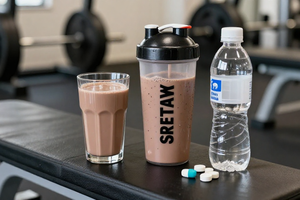
Prioritize bars where you recognize the ingredients: nuts, seeds, oats, dried fruit. For drinks, protein shakes made from recognizable sources like milk protein isolate, whey, or pea protein are good choices. Avoid options where sugar is the first ingredient or that are loaded with artificial additives.
Hydration is part of the repair process
Don’t let your snack do all the work. Muscles are about 75% water, and dehydration impairs every stage of recovery, from nutrient transport to waste removal. Water supports the metabolic processes that turn your snack into repaired tissue. Pair your post-workout snack with a large glass of water. For especially intense or long sessions, consider a beverage with electrolytes to replace what was lost in sweat.
Building strength happens as much in the kitchen as it does in the gym. By choosing these targeted, dietitian-recommended snacks, you’re not just satisfying hunger—you’re completing your workout with intention, giving your body the precise tools it needs to rebuild stronger.




![[8-Pack,30 oz]Glass Meal Prep Containers,Glass Food Storage Containers,Airtight lunch Containers with Lids, Microwave, Oven, Freezer and Dishwasher](https://www.glowtheorylab.com/uploads/ad202604/51081d9654d4075b.webp)