If you’ve ever felt like your skin is having a conversation you weren’t invited to, you’re not alone. For those with acne-prone skin, the quest for clarity often leads beyond the bathroom cabinet and into the kitchen. While no single food is a villain or a hero, the overall pattern of what you eat can create an internal environment that either calms or fuels inflammation—a key driver of acne.
Dietitians approach skin health not with restrictive lists, but with supportive frameworks. It’s less about banning chocolate and more about building a plate that supports your skin’s natural balance. Let’s explore the foundational meal patterns that can help manage acne from the inside out.
How does food actually influence acne?
The connection isn’t as simple as “greasy food causes greasy skin.” Instead, diet impacts acne through a few key pathways: inflammation, hormone regulation, and blood sugar stability. When blood sugar spikes rapidly after a meal, it triggers a cascade of hormones, including insulin and insulin-like growth factor 1 (IGF-1). These can increase oil production and skin cell turnover, potentially clogging pores.
Chronic, low-grade inflammation in the body can also worsen existing acne. The goal of a skin-supportive eating pattern is to minimize these triggers and provide nutrients that help the skin repair and stay resilient.
The core principles of a skin-supportive plate
Think of these not as rigid rules, but as gentle guides for building your meals.
Prioritize low-glycemic, high-fiber carbohydrates
Swapping refined carbs for their whole-food counterparts helps prevent the blood sugar spikes that can aggravate acne. This means choosing oats or quinoa over sugary cereal, whole-grain bread over white, and sweet potatoes over fries. The fiber in these foods slows digestion, leading to a more gradual release of sugar into your bloodstream.
A steady blood sugar level means fewer hormonal signals telling your skin to produce excess oil.
Include healthy fats strategically
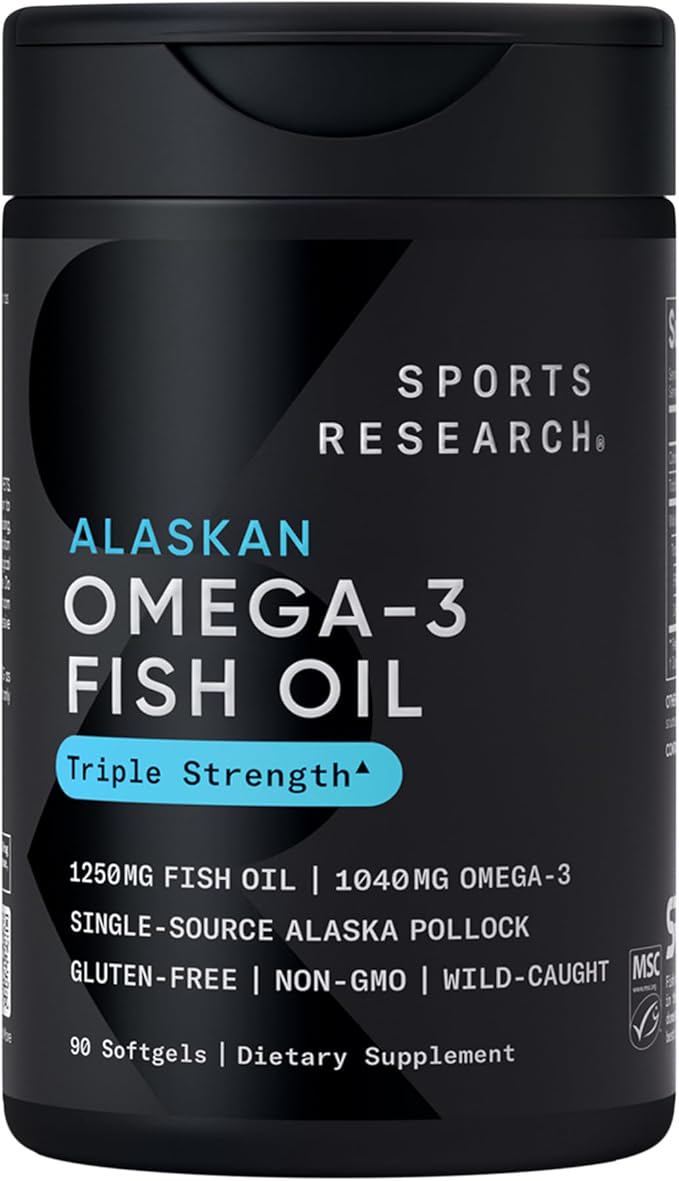
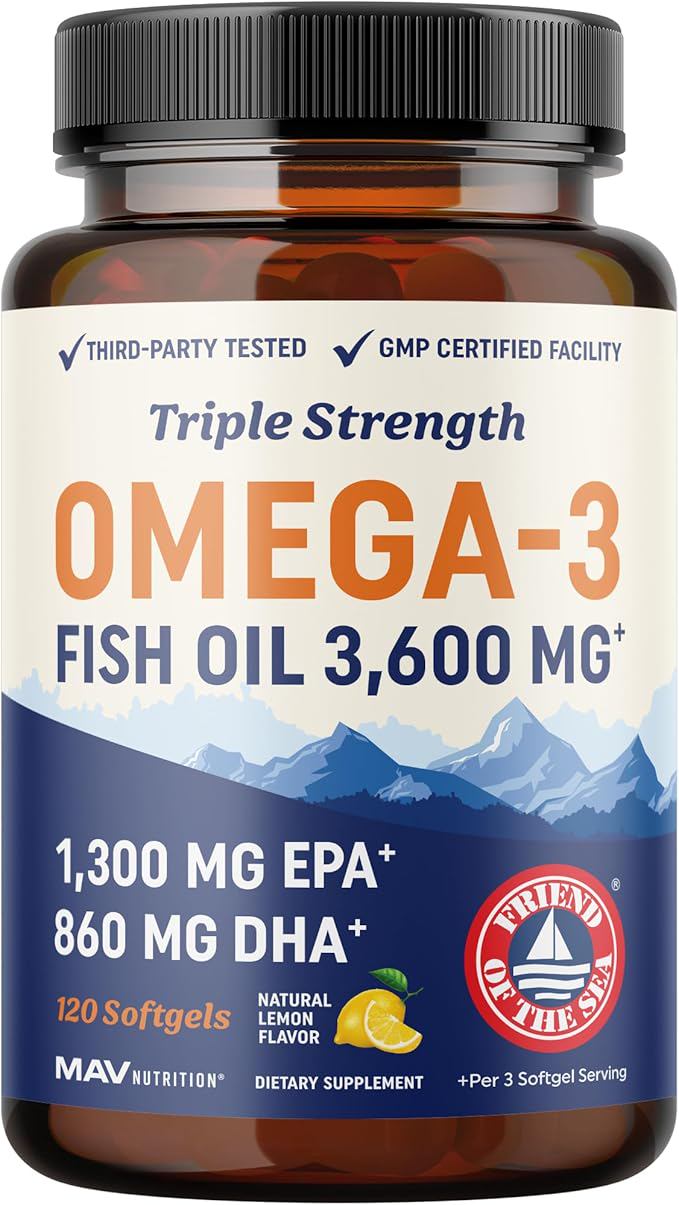
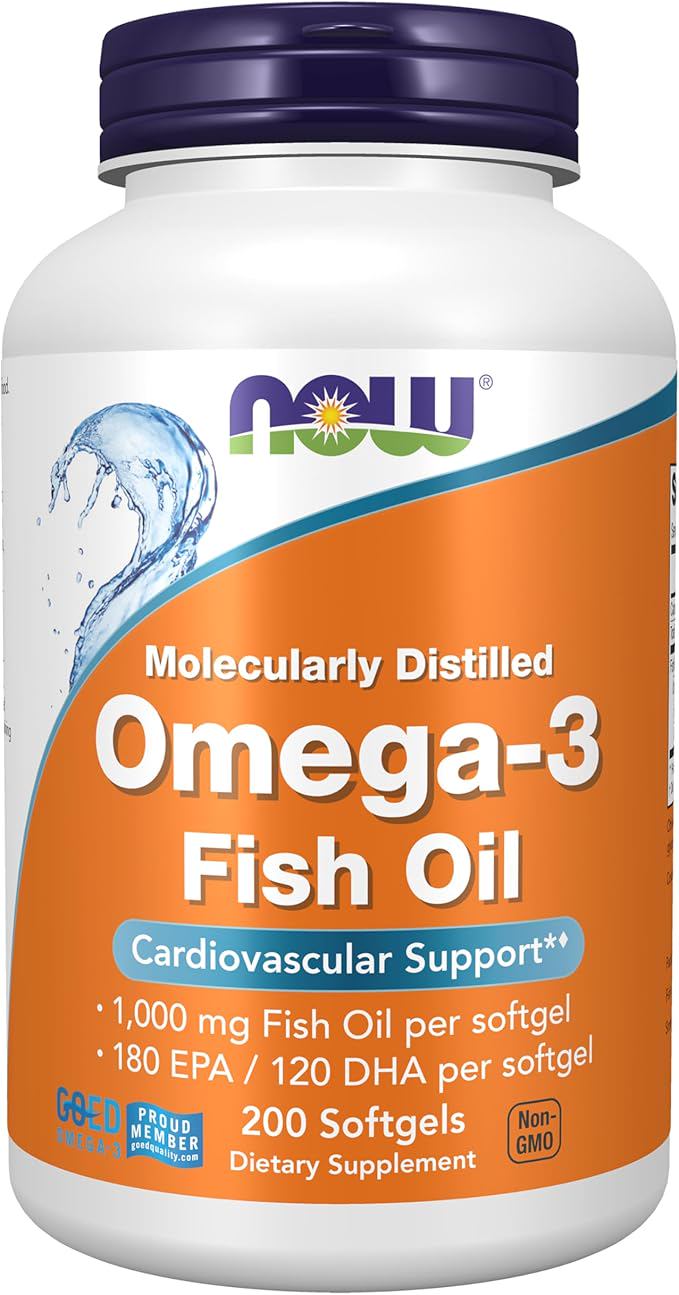
Fat isn’t the enemy—the type matters immensely. Omega-3 fatty acids, found in fatty fish, walnuts, flaxseeds, and chia seeds, are powerfully anti-inflammatory. Including these regularly can help soothe the inflammatory processes behind red, angry breakouts. On the other hand, it’s wise to moderate intake of oils high in omega-6 fats (like many vegetable oils), as an imbalance can promote inflammation.
Don’t skimp on colorful plants
Vegetables and fruits are your skin’s best allies. They’re packed with antioxidants like vitamins A, C, and E, which help protect skin cells from damage and support healing. The deeper the color, typically the higher the antioxidant content. Think berries, leafy greens, bell peppers, and carrots.
Choose lean and plant-based proteins
Protein is essential for tissue repair. Opt for sources that come with other skin-friendly nutrients. Fatty fish delivers omega-3s. Lentils and beans provide fiber and zinc—a mineral crucial for skin healing and fighting bacteria. Poultry and eggs offer B vitamins. Variety is key here.
What a day of eating might look like
This isn’t a prescriptive meal plan, but an example of how these principles come together on a plate.
- Breakfast: A bowl of plain Greek yogurt topped with mixed berries, a sprinkle of walnuts, and a drizzle of honey. The yogurt offers protein and probiotics, the berries provide antioxidants, and the walnuts add omega-3s.
- Lunch: A large salad with mixed greens, grilled chicken or chickpeas, avocado, cherry tomatoes, cucumber, and a lemon-tahini dressing. This combines lean protein, healthy fats, and a rainbow of vegetables.
- Snack: Sliced apple with a tablespoon of almond butter, or a small handful of trail mix with nuts and seeds.
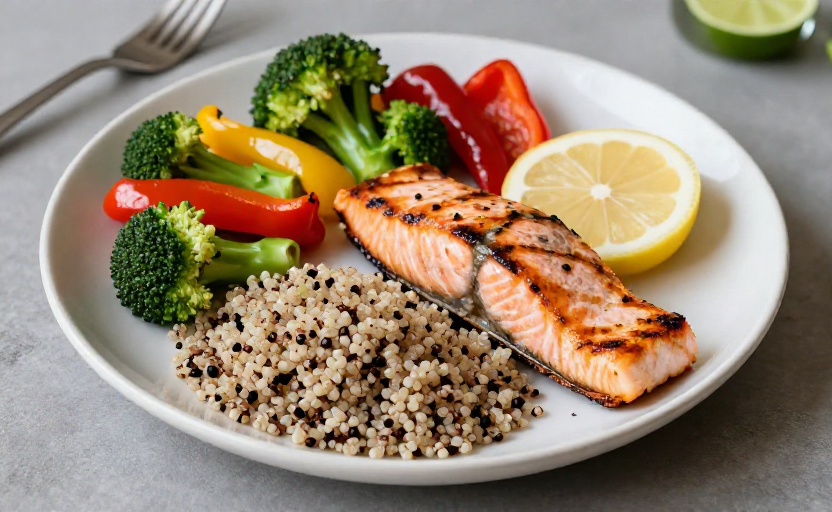
- Dinner: Baked salmon with a side of quinoa and roasted broccoli drizzled with olive oil. This meal is a powerhouse of omega-3s, fiber, and antioxidants.
Notice the pattern: each meal balances protein, a smart carbohydrate, and a healthy fat. This combination is the secret to sustained energy and stable blood sugar.
Foods to be mindful of
It’s more useful to focus on what to add than what to subtract. However, some individuals with acne may find it helpful to observe how their skin reacts to certain common triggers. These can include:
- Dairy: Some studies suggest a link, particularly with skim milk. The hypothesis involves hormones and growth factors in milk. If you suspect dairy, try eliminating it for a few weeks to see if your skin improves, and consult a dietitian to ensure you’re getting enough calcium and vitamin D from other sources.
- High-Glycemic Foods: As discussed, sugary drinks, sweets, and refined white flour products can cause insulin spikes.
- Whey Protein Powder: A derivative of milk, whey protein is another potential trigger for some people, likely for similar reasons as dairy.
The key is personalization. Not everyone will react to these foods. Keeping a simple food and symptom journal for a couple of weeks can reveal your unique triggers more clearly than any generic list.
The importance of the bigger picture
No meal pattern works in isolation. What you eat is one part of a holistic approach that includes stress management, quality sleep, gentle skincare, and staying hydrated. Chronic stress elevates cortisol, a hormone that can increase oil production. Poor sleep hampers skin repair. Drinking enough water supports all your body’s detoxification and nutrient transport systems, including those that serve your skin.
Adopting a dietitian-recommended meal pattern is a form of nourishment, not punishment. It’s about consistently choosing foods that support your whole body, trusting that your skin will reflect that care over time. Be patient with the process—skin cell turnover takes about a month—and be kind to yourself along the way.