If you have sensitive, oily skin, you know the daily balancing act. It’s a complexion that can feel both shiny and reactive, prone to redness and breakouts. While topical skincare is crucial, what you eat plays a foundational role in managing this skin type. The right foods can help calm inflammation, regulate oil production, and strengthen your skin's barrier from the inside out.
This isn't about restrictive diets or miracle cures. It's about understanding how certain nutrients support your skin's unique needs. By incorporating dietitian-recommended foods, you can create an internal environment that promotes a clearer, calmer, and more balanced complexion.
How does food affect sensitive, oily skin?
Your skin is a reflection of your internal health. For sensitive, oily skin, two key processes are often at play: inflammation and sebum (oil) regulation. Foods high in refined sugars and unhealthy fats can spike insulin and promote inflammation, potentially worsening redness and breakouts. Conversely, foods rich in antioxidants, healthy fats, and specific vitamins help quell inflammation and may help normalize how your sebaceous glands function.
Think of your diet as providing the building blocks for a resilient skin barrier—the stronger it is, the less reactive and irritated your skin will be.
Key nutrients to look for
Focusing on these nutrients can guide your food choices toward a more skin-supportive plate.
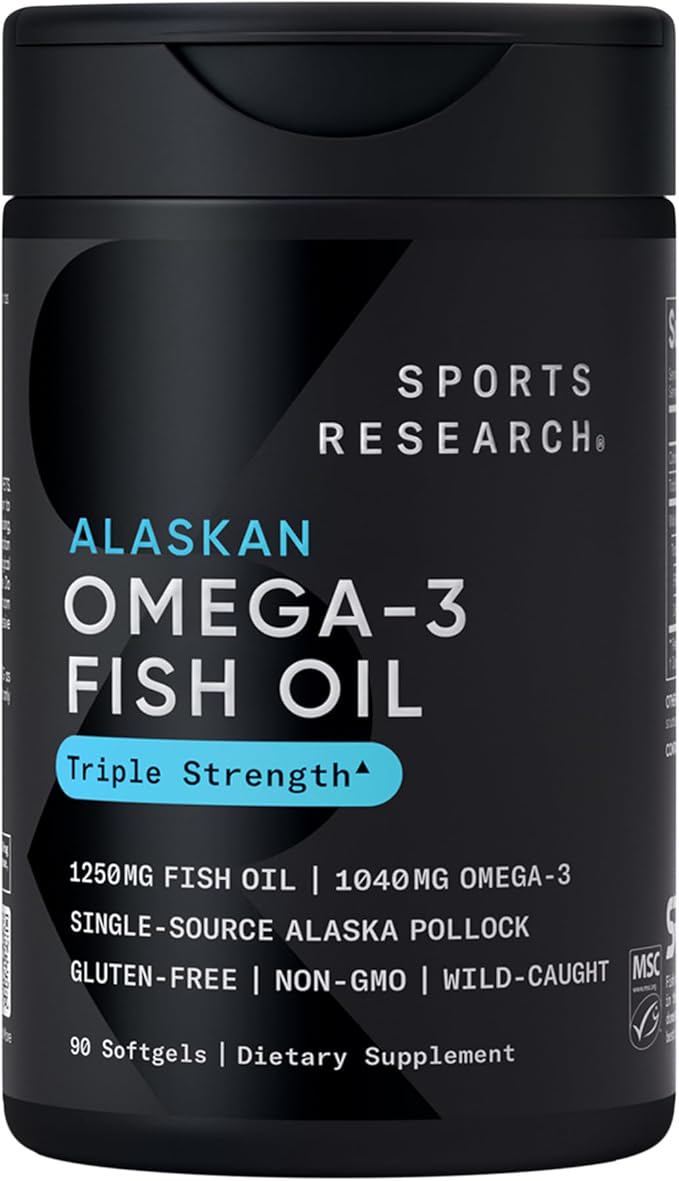
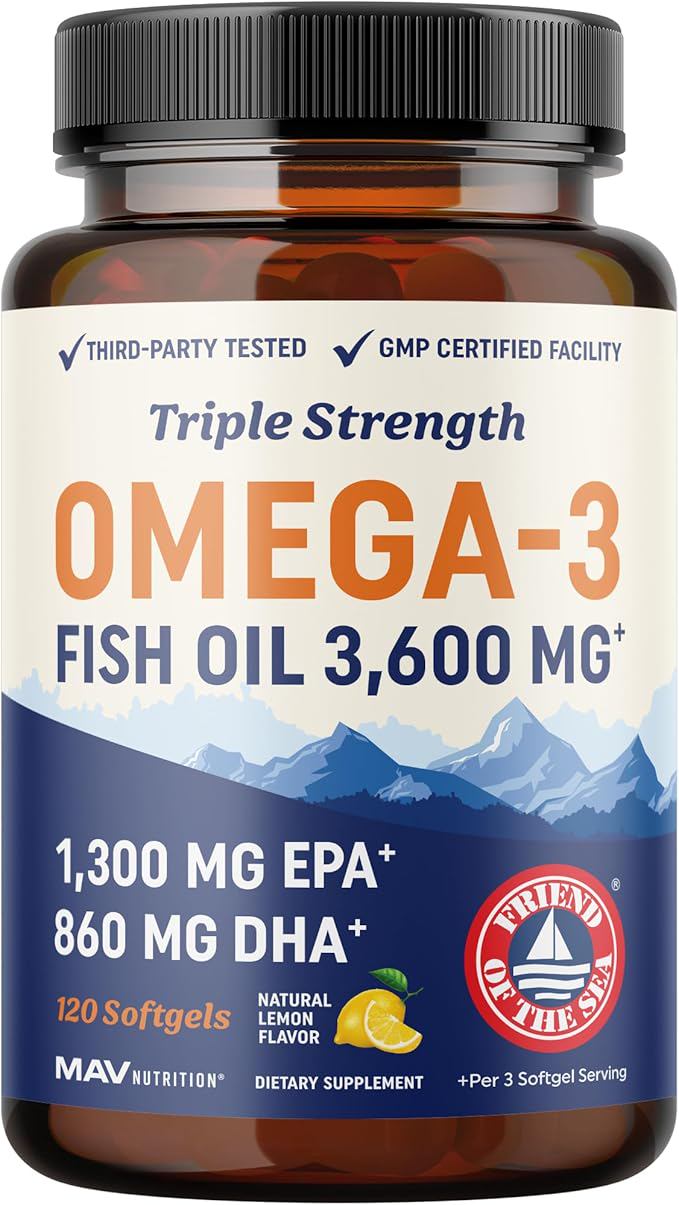
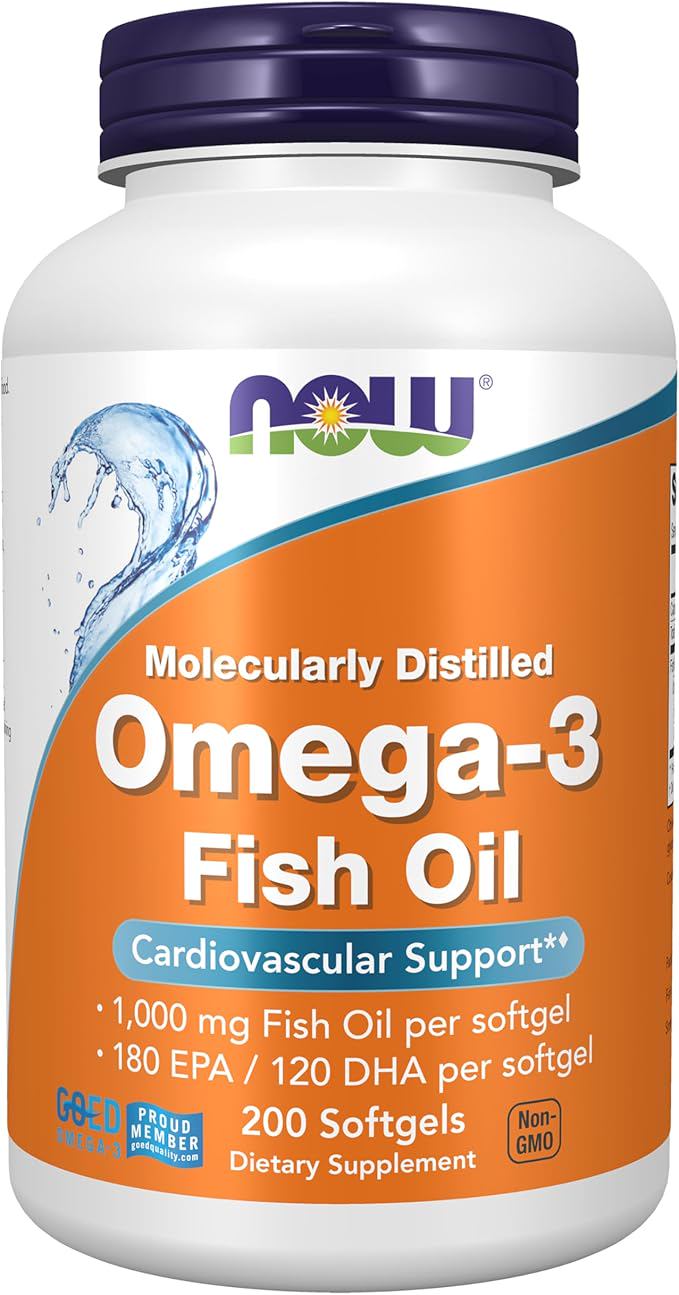
Omega-3 Fatty Acids: These are powerful anti-inflammatory agents. They help calm the underlying irritation that can make sensitive skin flare and may also play a role in moderating oil production.
Antioxidants (Vitamins A, C, E, & Polyphenols): Antioxidants act like a shield against environmental stressors that trigger sensitivity and oxidative damage. They support skin healing and can help mitigate the effects of sun exposure and pollution.
Zinc: This mineral is vital for skin healing and has anti-inflammatory properties. It's often noted for its role in managing acne, which is common in oily skin types.
Probiotics & Prebiotics: A healthy gut microbiome is linked to reduced systemic inflammation and a healthier skin barrier. Feeding your gut good bacteria can have a positive ripple effect on your skin's sensitivity.
Dietitian-recommended foods to incorporate
Here are some of the top food categories and examples to reach for regularly.
Fatty fish and seeds
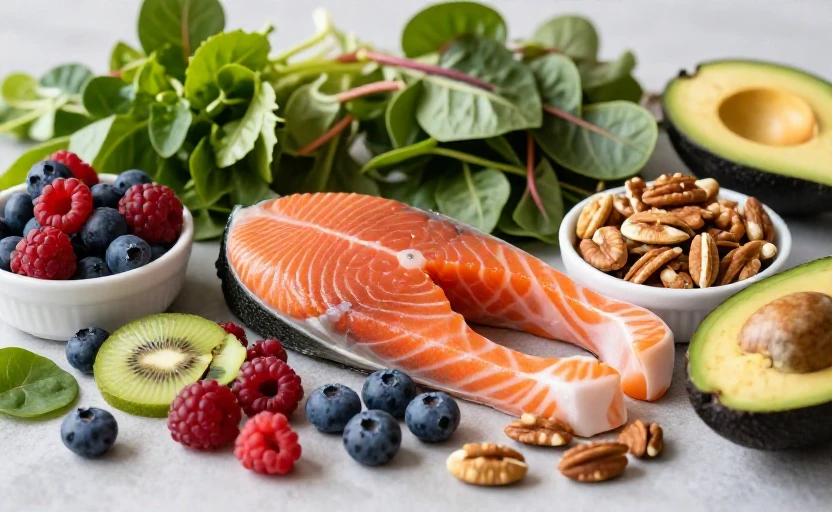
Salmon, mackerel, sardines, and anchovies are excellent sources of EPA and DHA, the most potent anti-inflammatory omega-3s. For plant-based options, ground flaxseeds, chia seeds, and walnuts provide ALA, another form of omega-3 that your body converts.
Colorful fruits and vegetables
Vibrant produce is packed with skin-loving antioxidants. Think deep greens like spinach and kale (vitamins A and C), bright berries like blueberries and strawberries (polyphenols), and orange vegetables like sweet potatoes and carrots (beta-carotene, a precursor to vitamin A). Bell peppers and broccoli are also stellar choices for vitamin C, which is essential for collagen synthesis and protection.
Nuts, seeds, and healthy oils
Almonds and sunflower seeds are great sources of vitamin E, an antioxidant that works synergistically with vitamin C. Avocados provide healthy fats and vitamins C and E. Using extra virgin olive oil as a primary fat adds anti-inflammatory polyphenols to your meals.
Fermented foods and fiber
To support your gut-skin axis, include probiotic-rich foods like plain yogurt, kefir, kimchi, and sauerkraut. Pair them with prebiotic fibers found in garlic, onions, asparagus, oats, and bananas to feed the beneficial bacteria.
Foods and habits to be mindful of
While adding beneficial foods is the goal, it's also helpful to be aware of potential triggers. This is highly individual, but some people with sensitive, oily skin find that moderating certain items helps.
- High-Glycemic Foods: Sugary snacks, sodas, and refined white breads and pastas can cause blood sugar spikes, which may increase inflammation and oil production.
- Dairy: For some individuals, dairy products can be linked to increased breakouts. If you suspect a connection, try reducing your intake for a few weeks to observe any changes.
- Inflammatory Fats: Limiting processed foods high in trans fats and excessive omega-6 fatty acids (found in some vegetable oils) can help maintain a better anti-inflammatory balance.
Remember, the goal is not elimination but awareness. Pay attention to how your skin responds to different foods, as triggers are personal.
Putting it all together on your plate
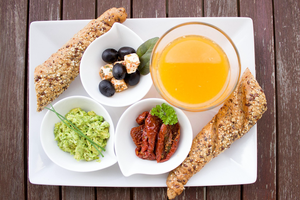
You don't need a complicated diet. Start with simple, balanced meals. A lunch could be a large salad with leafy greens, grilled salmon, avocado, and a lemon-olive oil dressing. A snack might be plain Greek yogurt with berries and a sprinkle of chia seeds. Dinner could be a stir-fry with plenty of colorful vegetables, tofu or chicken, and served with quinoa.
Hydration is also non-negotiable. Drinking adequate water throughout the day helps maintain skin elasticity and supports the detoxification processes that keep your skin clear.
Nourishing sensitive, oily skin from within is a gentle, long-term strategy. By consistently choosing foods rich in anti-inflammatory fats, antioxidants, and gut-supporting nutrients, you provide your skin with the tools it needs to find its natural balance. Be patient, listen to your body, and pair your dietary choices with a consistent, gentle topical skincare routine for the best results.