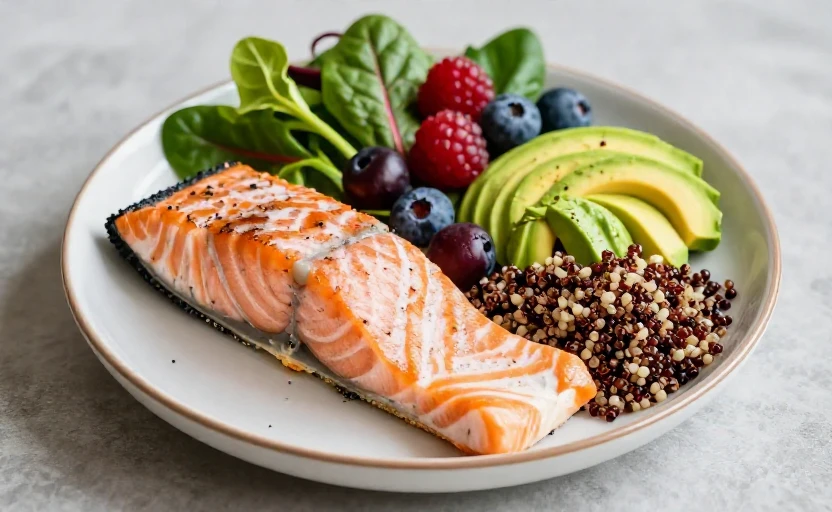
Combination skin can feel like a daily puzzle. One moment your T-zone is shining, the next your cheeks feel tight. While your skincare routine plays a starring role, what you feed your body from the inside is the foundational support. Nutrition doesn't offer a one-size-fits-all cure, but certain foods can help modulate the oil production, hydration, and inflammation that define this skin type. Think of it as building a balanced plate for a balanced complexion.
The goal isn't to eliminate entire food groups or chase restrictive trends. Instead, it's about incorporating a variety of nutrient-dense foods that support your skin's natural barrier, calm potential inflammation, and provide the building blocks for healthy cell turnover. A dietitian's approach focuses on sustainable, whole-food choices that nourish you completely, with clearer skin as a welcome side effect.
What does combination skin need from your diet?
Combination skin is characterized by having both oily and dry areas, typically with oiliness concentrated in the forehead, nose, and chin (the T-zone). This means your dietary strategy needs to be just as dual-focused. The aim is to support balanced sebum production while ensuring all areas of your skin are adequately hydrated and calm. Foods rich in specific nutrients can help address these concurrent concerns from within.
Foods to focus on for balance
Building your meals around these categories can provide the nutrients your skin craves for equilibrium.
Healthy fats for hydration and barrier support
Don't fear fat—the right kinds are essential. They help maintain your skin's lipid barrier, which locks in moisture and keeps irritants out. This is crucial for preventing the dry patches of combination skin from becoming flaky or irritated.
- Fatty fish: Salmon, mackerel, and sardines are packed with omega-3 fatty acids, which are powerfully anti-inflammatory. They can help calm the skin and support its moisture retention.
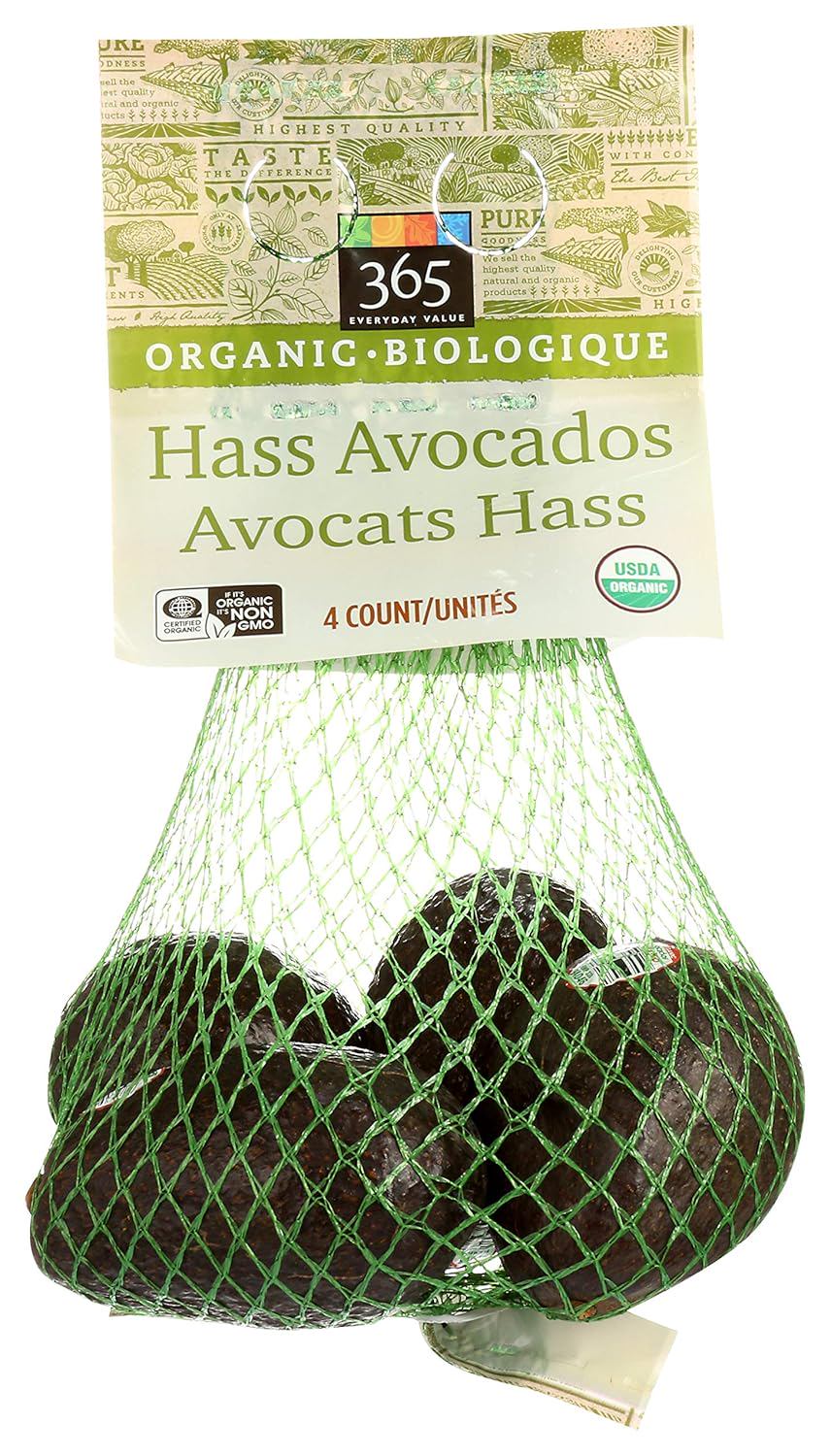
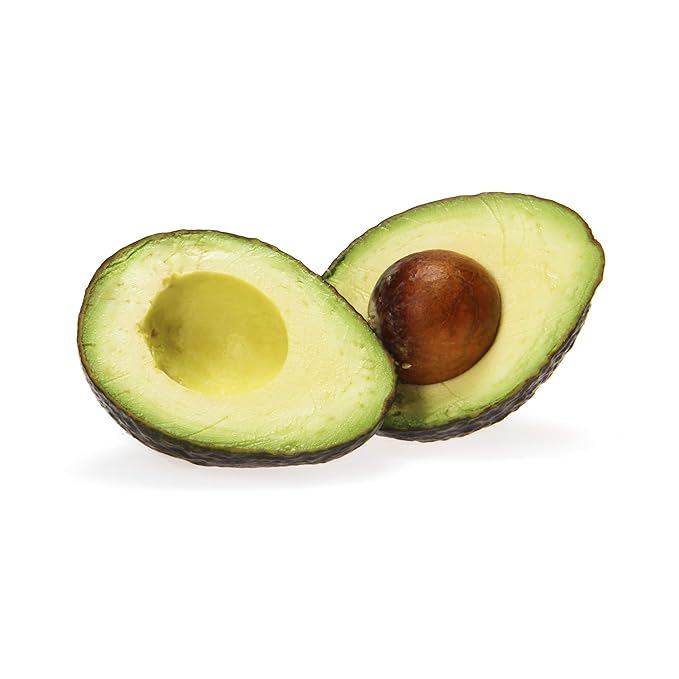
- Avocados and nuts: Sources of monounsaturated fats and vitamin E, these help protect skin cells from oxidative damage and support a supple, hydrated feel.
Think of your skin's barrier like the mortar between bricks. Healthy fats help keep that mortar strong, preventing moisture loss.
Antioxidant-rich fruits and vegetables
Color is your clue here. Antioxidants combat free radicals that can contribute to inflammation and uneven skin tone. They also support the skin's repair processes.
- Berries, leafy greens, and orange vegetables: Blueberries, spinach, kale, and sweet potatoes are loaded with vitamins A, C, and various phytonutrients. Vitamin C, in particular, is vital for collagen production, which helps skin maintain its elasticity and plumpness.
- Tomatoes and watermelon: These contain lycopene, an antioxidant some research suggests may help protect the skin from environmental stressors.
Foods for blood sugar balance
Sharp spikes in blood sugar can trigger a cascade of hormones that may increase oil production and inflammation. Choosing foods that promote a more gradual glucose release can be beneficial.
- Complex carbohydrates: Opt for whole grains like oats, quinoa, and brown rice over refined white bread and pasta. They provide steady energy and are often higher in fiber.
- Legumes and pulses: Lentils, chickpeas, and beans are excellent sources of plant-based protein and fiber, both of which aid in blood sugar regulation.
Foods and habits to be mindful of
It's less about strict prohibition and more about awareness. Notice how your skin responds after you consume certain things. For some individuals, these may exacerbate oiliness or dryness.
- High-glycemic foods: Sugary snacks, sodas, and heavily processed carbohydrates can cause insulin spikes, which might stimulate oil glands.
- Excessive dairy: Some people find that high intake of dairy, particularly skim milk, correlates with increased breakouts. This is highly individual.
- Dehydrating beverages: While moderate coffee or tea is fine, relying on them instead of water can contribute to overall dehydration, potentially making dry areas feel worse.
Putting it all together on your plate
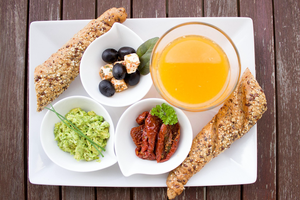
The most sustainable approach is to build balanced meals. A simple framework is to fill half your plate with colorful vegetables, a quarter with lean protein (like fish, tofu, or legumes), and a quarter with complex carbohydrates. Stay consistently hydrated with water throughout the day, as this supports every metabolic process in your skin.
Remember, dietary changes work in concert with a good skincare routine, stress management, and adequate sleep. It's the synergy of these habits that creates the most noticeable, lasting support for combination skin. Patience is key; allow a few weeks to notice subtle changes as your body utilizes these new nutrients.