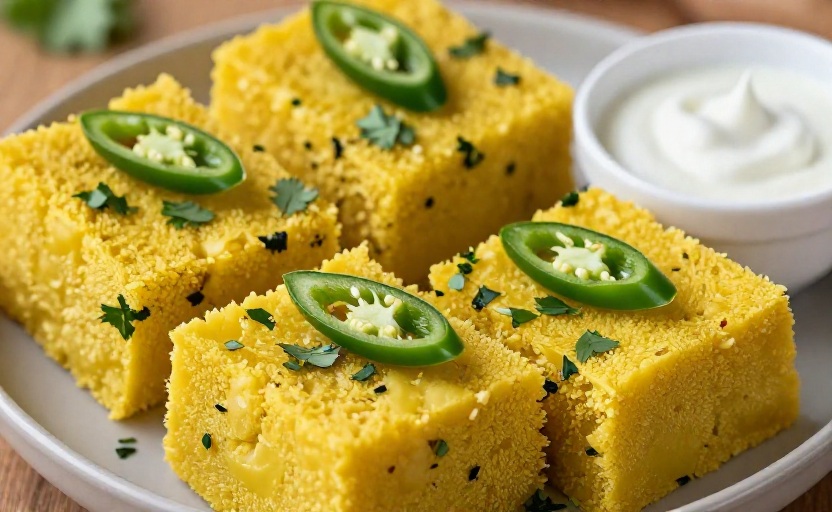
During festive seasons like Navratri, it’s easy to lean on fried treats like puri bhaji and pakoras. But those heavy, low-fiber foods can quickly lead to acidity, bloating, and sluggish digestion. If you’re looking for a way to enjoy the festival without upsetting your gut, there’s a simple, dietitian-approved solution: sama dhokla. This steamed, dairy-free snack is made from barnyard millet (sama rice) and tapioca pearls (sabudana), giving you a light, nourishing bite that keeps you full and happy.
What makes sama dhokla a standout for gut health? Barnyard millet is naturally rich in protein, fiber, and iron, and it’s completely gluten-free. That means it’s gentle on sensitive digestive systems and works well for those managing diabetes, too. The fermentation from the yogurt (if you use a dairy-free alternative) or the simple soak-and-steam method helps pre-digest the grains, making nutrients easier to absorb. Plus, the steaming process keeps it low in fat compared to deep-fried snacks.
Why Sama Rice (Barnyard Millet) Is Great for Digestion
Barnyard millet is a small but mighty grain. It’s packed with insoluble fiber, which adds bulk to stool and helps prevent constipation. Unlike refined flour, it doesn’t spike blood sugar, and its protein content supports steady energy. For anyone following a fast or simply wanting a lighter meal, this millet is a gentle choice that doesn’t cause heaviness.
Ingredients for Quick Sama Dhokla
- 1 cup sama rice (barnyard millet)
- ¼ cup sabudana (tapioca pearls)
- 2 tbsp curd (dairy-free alternative like coconut yogurt works)
- 1 tbsp lemon juice
- 1½ tsp baking soda (or baking powder for a lighter texture)
- Salt to taste
- Olive oil or ghee for greasing
- 2 chopped green chillies (for garnish)
- Fresh coriander leaves (for garnish)
Tempering for Flavor
- 2 tbsp ghee (or coconut oil for dairy-free)
- 3–4 green chillies, slit
- 5–8 curry leaves
- 1 tsp mustard seeds
- 1 tsp coriander seeds
Step-by-Step: How to Make Gut-Friendly Dhokla
1. Prep the grains. Wash the sama rice under cold water until it runs clear. Drain and set aside.
2. Powder the sabudana. Place raw sabudana in a blender and grind into a fine powder. This helps create a smoother batter.
3. Soak the mixture. Combine the powdered sabudana and washed sama rice in a bowl. Add enough water to cover them, then refrigerate for 3–4 hours or overnight. Soaking softens the grains and kickstarts fermentation for better digestibility.
4. Blend into a smooth batter. After soaking, transfer the mixture to a blender and grind until creamy—no graininess left. The batter should be pourable. If it’s too thick, add a little water. Add yogurt, lemon juice, and salt, then mix well.
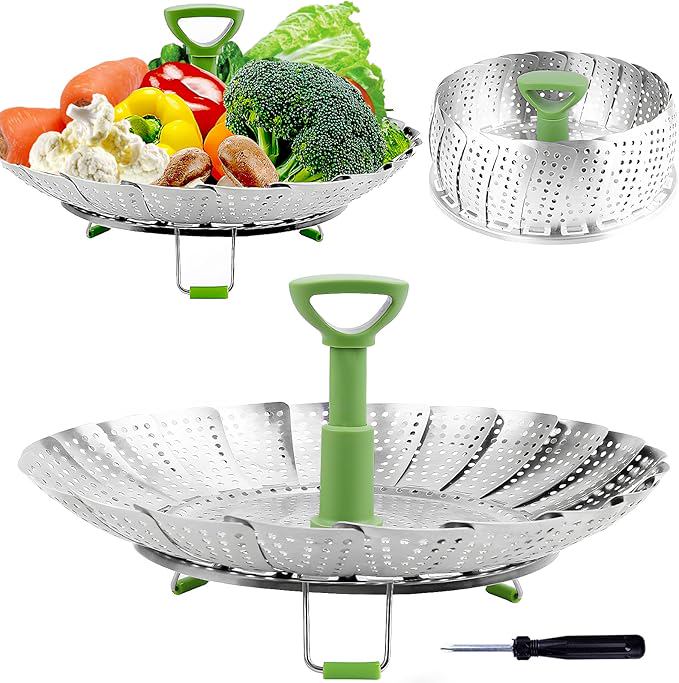
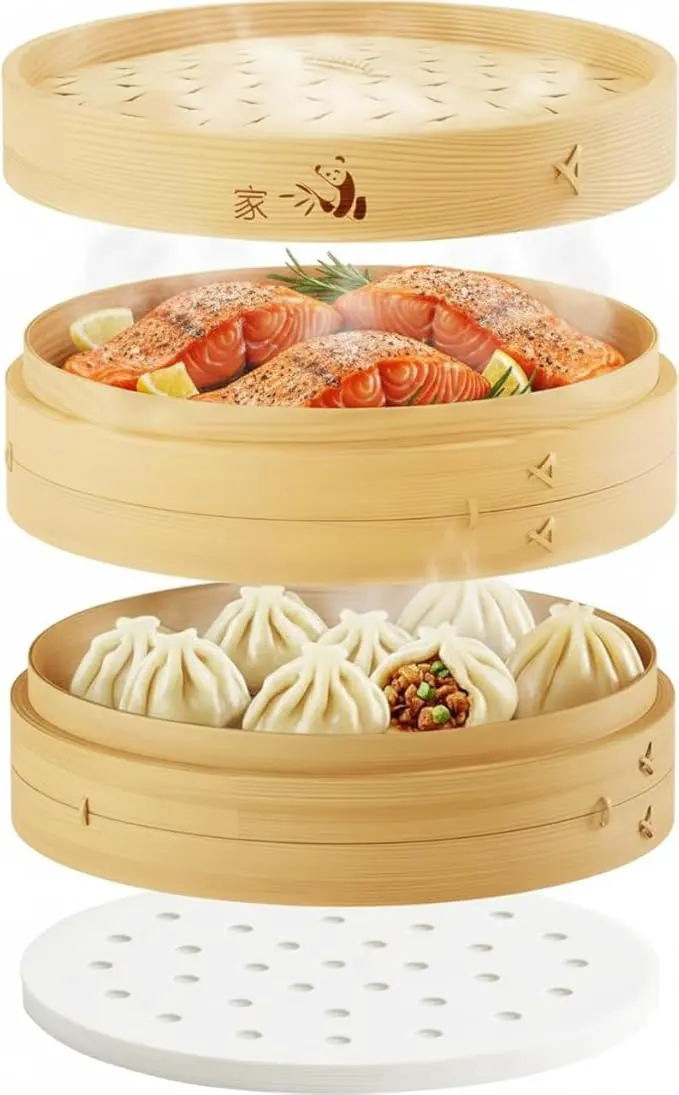
5. Grease and steam. Grease a tray or thali with a little oil. When ready to steam, add baking soda to the batter and whisk vigorously to incorporate air—this makes the dhokla fluffy. Pour into the tray and steam for 12–15 minutes, or until a knife inserted in the center comes out clean. Let it cool completely before unmolding.
6. Temper and serve. Meanwhile, heat ghee in a small pan. Add mustard seeds, coriander seeds, curry leaves, and green chillies. Let them splutter. Add 2–3 tablespoons of water, then pour the tempering over the cooled dhokla. Cut into squares and garnish with fresh coriander and chillies. Serve with a bowl of curd or enjoy as is.
Tip: For a completely dairy-free version, skip the yogurt in the batter or use coconut yogurt. The texture will still be light and fluffy.
This dhokla is not only quick to make—it’s a festive-friendly dish that supports digestive comfort. No fried heaviness, no bloating. Just a satisfying, protein-rich snack that leaves you feeling energized. Try it this Navratri and give your gut a break.