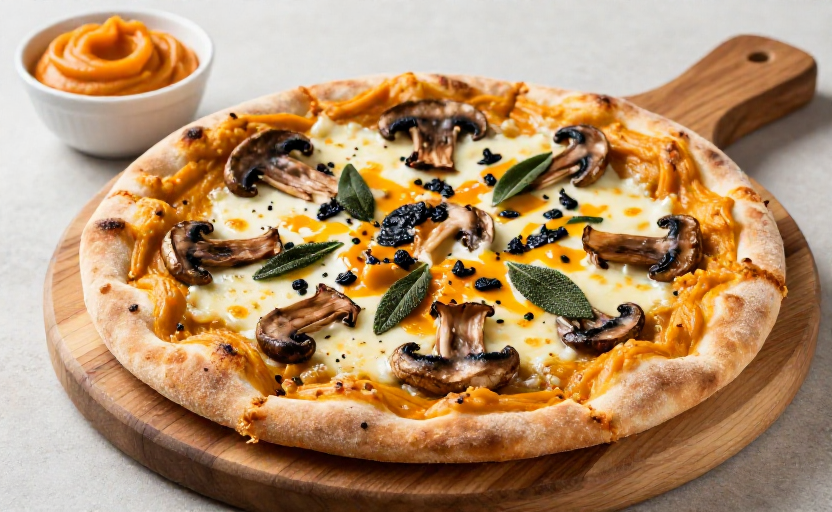
When the air turns crisp and pumpkin-spiced everything starts showing up on menus, it's tempting to think pizza night might not fit the season. But this gluten-free pumpkin pizza dough proves that fall flavors and a satisfying, chewy crust can absolutely coexist — and it comes together quickly enough for a weeknight dinner.
This recipe earned a dietitian's nod because it swaps some of the usual gluten-free starch for real pumpkin purée, adding subtle sweetness, moisture, and a boost of vitamin A. Whether you're avoiding gluten by necessity or preference, or you simply want to try something new, this dough is forgiving, requires no special equipment, and bakes up with a tender, sturdy base that holds toppings beautifully.
Why pumpkin belongs in pizza dough
Pumpkin purée does more than give the dough a warm autumn color. Because gluten-free flours lack the elasticity of wheat, they often produce crusts that are dry or crumbly. Pumpkin adds natural moisture and a soft texture, so the dough is easier to handle and rolls out without cracking. It also brings a mild, earthy sweetness that pairs well with savory toppings like sage, roasted mushrooms, caramelized onions, and sharp cheeses.
From a nutrition standpoint, pumpkin is a smart addition. One cup of cooked, puréed pumpkin contains roughly 50 calories, 2 grams of fiber, and more than 200 percent of your daily vitamin A needs — mostly in the form of beta-carotene, which supports eye health and immune function. It also provides small amounts of vitamin C, potassium, and iron. Using pumpkin in the crust means you're getting a serving of vegetables before you even add a single topping.
Ingredients for quick gluten-free pumpkin pizza dough
This recipe keeps the ingredient list short and accessible. Most of these items are pantry staples for anyone who bakes gluten-free on a regular basis.
- Gluten-free all-purpose flour blend — Look for a blend that includes xanthan gum or guar gum, which helps mimic the stretch of wheat dough. If your blend doesn't contain it, add 1 teaspoon of xanthan gum separately.
- Pumpkin purée — Use 100 percent pure pumpkin, not pumpkin pie filling, which contains added sugar and spices. Canned purée works perfectly.
- Psyllium husk powder — This is the secret to a pliable, non-crumbly gluten-free dough. It absorbs moisture and creates a gel-like structure that holds the crust together.
- Olive oil — Adds richness and helps the dough stay tender.
- Baking powder — For a quick, yeast-free rise. No need to wait for proofing.
- Salt and dried herbs — A pinch of salt and optional oregano or rosemary add savory depth.
- Warm water — Helps the psyllium hydrate and brings the dough together.
Step-by-step: making the dough
This dough is about as simple as pizza crust gets. There's no kneading, no resting time, and no worry about overworking it.
- In a large bowl, whisk together the gluten-free flour, baking powder, psyllium husk powder, salt, and any dried herbs you like.
- Add the pumpkin purée, olive oil, and warm water. Stir with a spatula or wooden spoon until a shaggy dough forms.
- Bring the dough together with your hands — it should feel soft and slightly tacky but not sticky. If it's too wet, add a tablespoon more flour; if too dry, add a teaspoon of water.
- Place the dough between two sheets of parchment paper. Roll it out to your desired thickness — about ¼ inch for a standard crust, or slightly thicker if you prefer a chewier bite.
- Peel off the top parchment, transfer the dough (still on the bottom parchment) to a baking sheet or preheated pizza stone. Add your toppings and bake at 400°F (200°C) for 15–20 minutes, until the edges are golden and the bottom is firm.
Tip from a dietitian: Pre-bake the crust for 5 minutes before adding sauce and toppings. This helps prevent a soggy middle, especially if you're using moist ingredients like fresh mozzarella or roasted vegetables.
Topping ideas that embrace fall
The subtle sweetness of pumpkin crust pairs naturally with savory, earthy, and slightly bitter flavors. Here are five dietitian-approved topping combinations that make the most of the season.
- Sage and brown butter — Brush the crust with melted butter infused with fresh sage leaves. Top with shredded mozzarella, thin slices of apple or pear, and a finish of flaky salt.
- Roasted mushroom and thyme — Sauté cremini or shiitake mushrooms with garlic and fresh thyme. Spread a thin layer of ricotta on the crust, add the mushrooms, and top with Parmesan.
- Caramelized onion and blue cheese — Slowly cook sliced onions until deep golden. Spread them over the crust, crumble gorgonzola or goat cheese on top, and bake. A drizzle of balsamic glaze after baking adds brightness.
- Kale and white bean — Massage chopped kale with a little olive oil. Spread a thin layer of white bean purée (cannellini beans blended with garlic and lemon) on the crust. Top with kale and shredded provolone.
- Classic Margherita with a twist — Use a simple tomato sauce, fresh mozzarella, and basil, but swap the usual olive oil drizzle for pumpkin seed oil or toasted pumpkin seeds for crunch.
Storage and make-ahead tips
This dough works well for meal prep. After rolling the dough between parchment sheets, stack it on a baking sheet and freeze until solid. Once frozen, peel off the parchment and store the dough rounds in a zip-top bag with parchment between each layer. They'll keep for up to 3 months. Bake from frozen — just add 2–3 extra minutes to the baking time.
Leftover baked pizza keeps in the fridge for up to 3 days. Reheat in a skillet or air fryer to restore some crispness, rather than using a microwave, which can make the crust rubbery.
What to know before you start
Gluten-free pizza dough made with pumpkin behaves differently than traditional wheat dough. It won't stretch or toss, and it doesn't need to rise. That's normal. Treat it like a soft, sturdy dough that you gently press into shape with your hands or a rolling pin. If cracks appear at the edges while rolling, just pinch them back together — the psyllium and pumpkin make it forgiving.
If you're new to gluten-free baking, know that the dough may feel slightly denser and more delicate than what you're used to. That's expected, and the flavor payoff is worth it. The pumpkin keeps the crust moist and tender, and the psyllium gives it just enough structure to hold up under a generous layer of toppings.
This recipe is a reminder that gluten-free doesn't mean flavor-free, and pizza can be just as cozy and seasonal as any fall comfort food. Whether you're cooking for a family pizza night or just looking for a new way to use that can of pumpkin purée, this crust delivers a nutritious, delicious base that fits the season.