That mid-afternoon energy crash is a familiar foe. You’ve powered through the morning, but by 2 or 3 PM, focus wanes, and a craving for something quick and often carb-heavy sets in. The right lunch can change that entire trajectory. Instead of a temporary spike followed by a slump, you can cultivate a steady, reliable stream of energy that carries you through your day with clarity and calm.
This isn't about restrictive dieting or eliminating food groups you enjoy. It's a thoughtful approach to building a plate that prioritizes high-quality proteins, healthy fats, and fiber-rich vegetables—the trio that works synergistically to slow digestion, balance blood sugar, and provide lasting fuel. Here are practical, delicious combinations to inspire your midday meal.
What makes a lunch truly sustaining?
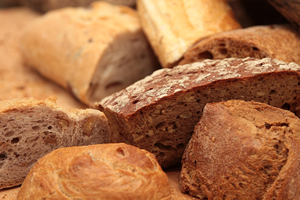
Think of your energy levels like a campfire. A lunch heavy in simple carbohydrates—like a plain white bread sandwich, a bowl of pasta, or a sugary salad dressing—is like throwing dry kindling on the flames. It creates a quick, bright blaze that burns out rapidly, leaving you cold and searching for more fuel. A sustaining lunch, however, builds the fire with slower-burning logs: protein, fat, and complex fiber.
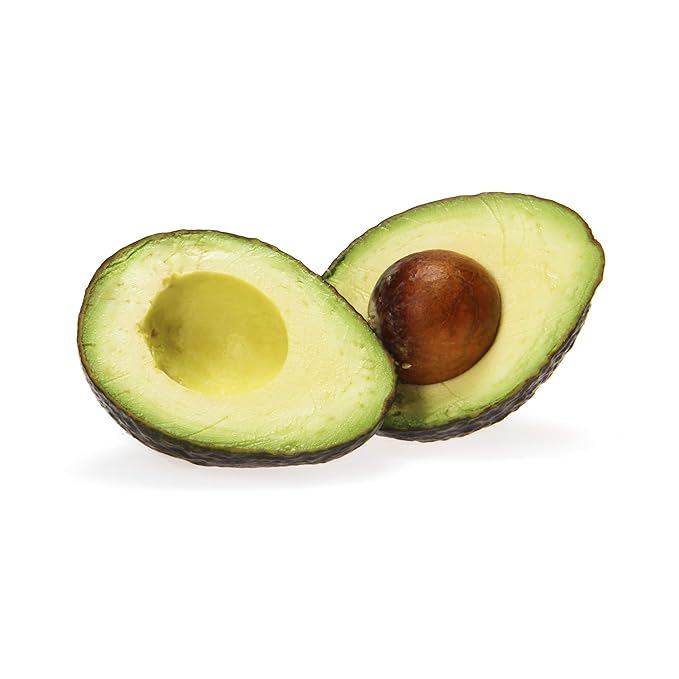
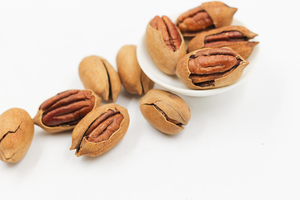
Protein from sources like chicken, fish, eggs, tofu, or legumes requires more energy to break down and helps you feel full and satisfied. Healthy fats from avocado, olive oil, nuts, and seeds further slow gastric emptying and are essential for nutrient absorption and hormone production. Non-starchy vegetables provide volume, crucial vitamins and minerals, and that all-important fiber, which moderates the release of sugars into your bloodstream.
The goal is a gentle rise and fall of energy, not a rollercoaster.
When these elements are present together, the carbohydrates you do eat (from vegetables, perhaps a small serving of whole grains or legumes) are processed gradually. The result is a gentle, extended release of energy, mental clarity, and the avoidance of that desperate, distracted feeling that leads to poor snack choices later.
Simple, satisfying lunch combinations
You don’t need elaborate recipes. Often, the most effective lunches are assemblies of wholesome components. Here are several balanced frameworks to use as a blueprint.
The hearty salad bowl
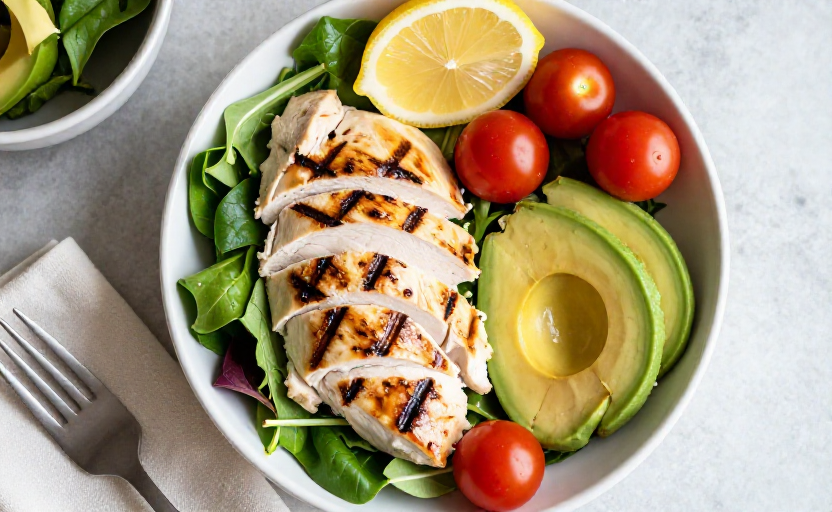
Move beyond lettuce. Start with a robust base of chopped kale, spinach, or mixed greens. Add a generous palm-sized portion of protein: grilled chicken strips, flaked salmon, a hard-boiled egg, or chickpeas. Include a healthy fat source like half an avocado, a handful of walnuts, or a sprinkle of pumpkin seeds. For extra crunch and flavor, add non-starchy vegetables—bell peppers, cucumbers, broccoli, and radishes are excellent. Dress simply with olive oil and lemon juice or vinegar.
The protein-packed wrap (no bread needed)
Use large, flexible leaves of romaine lettuce, collard greens, or nori sheets as your vessel. Spread with a layer of mashed avocado or a tablespoon of hummus. Fill with sliced turkey or roast beef, tuna salad made with Greek yogurt, or spiced black beans. Add crunchy fillings like shredded carrots, sprouts, and sliced cucumbers before rolling it up.
The bento-style box
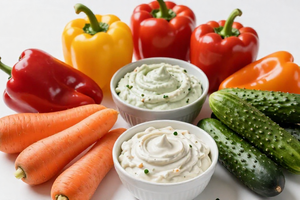
This approach is perfect for visual eaters and meal prep. Divide a container into sections: one for vegetable sticks (bell pepper, celery, cucumber) with a side of almond butter or a yogurt-based herb dip, one for a protein like edamame or a couple of meatballs, and one for a few olives or cheese cubes. It’s satisfying, varied, and completely avoids the common lunchtime carb overload.
The warming soup and side
A broth-based soup loaded with vegetables and protein can be deeply nourishing. Think chicken and vegetable soup, a creamy tomato soup made with coconut milk, or a lentil and spinach stew. Pair it with a small side salad dressed in olive oil to incorporate raw vegetables and additional healthy fats, ensuring the meal is substantial enough to last.
Building your plate for success
A helpful mental model is to visualize your lunch plate. Aim for roughly half the plate to be filled with non-starchy vegetables (like leafy greens, broccoli, cauliflower, zucchini, mushrooms). One quarter of the plate should be a quality protein source. The remaining quarter can be a source of healthy fat or a small serving of complex carbohydrates like a half-cup of beans or lentils, which provide both protein and fiber.
This balance is flexible but provides a reliable guideline. It naturally limits the portion of fast-digesting carbohydrates while emphasizing the nutrients that support stable energy.
Smart preparation makes it effortless
The biggest hurdle to a better lunch is often convenience. A little strategy removes that barrier.
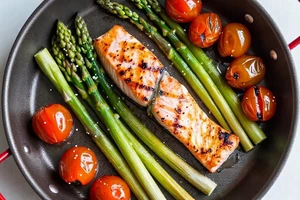
- Cook once, eat twice: When making dinner, intentionally prepare extra protein. Grill two more chicken breasts, bake an extra salmon fillet, or cook a larger batch of ground turkey or lentils. Store them plain for maximum versatility.
- Wash and chop ahead: After grocery shopping, take twenty minutes to wash, dry, and chop vegetables. Store them in clear containers in the fridge so they’re the first thing you see when you’re assembling a meal.
- Embrace simple sauces: A great sauce or dip can transform simple ingredients. Whip up a batch of lemon-tahini dressing, a yogurt-dill sauce, or a spicy salsa verde to have on hand for the week.
Your lunch is more than just a meal; it’s a pivotal point in your day that can either drain your resources or replenish them. By choosing combinations that prioritize protein, healthy fats, and fiber, you’re investing in steady energy, sharper focus, and overall well-being for the hours that matter most.