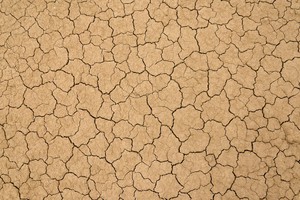
If you’re navigating the endless aisles of lotions and potions for dry skin, the sheer number of options can feel overwhelming. Ceramides, hyaluronic acid, glycerin, shea butter—each bottle makes a compelling promise. Yet, dermatologists often point to one foundational ingredient as the non-negotiable starting point for truly repairing a compromised skin barrier. It’s the workhorse that doesn’t always get the glamorous headlines but forms the bedrock of effective hydration.
That ingredient is a humectant, and more specifically, for dry skin, dermatologists consistently champion glycerin. While other ingredients play crucial supporting roles, glycerin’s proven ability to attract and bind water to the skin makes it the cornerstone ingredient experts recommend you look for first.
Why Glycerin Is the Dermatologist's Dry Skin MVP
Glycerin, also listed as glycerol on ingredient labels, is a clear, odorless liquid. It’s a humectant, which means it acts like a moisture magnet, drawing water from the deeper layers of your skin and from the air around you to the surface. This is fundamentally different from an occlusive, like petroleum jelly, which forms a seal to prevent water loss. Glycerin actively brings hydration to where it’s needed most.
“For skin that’s dry, flaky, or feeling tight, the priority is replenishing lost water content,” explains a common dermatological principle. “Glycerin is exceptionally good at this. It’s a small molecule that penetrates well, it’s compatible with almost all skin types, and decades of research support its efficacy and safety.”
Its benefits extend beyond simple attraction. By hydrating the outermost layer of skin (the stratum corneum), glycerin helps it function properly. A well-hydrated skin barrier is more pliable, looks smoother, and is better at protecting against environmental irritants and preventing further moisture loss—the exact cycle you want to break with dry skin.
How to Spot and Use Glycerin Effectively
You’ll find glycerin in a vast array of products, from cleansers to serums to thick creams. Its position on the ingredient list (which goes in order of concentration) gives you a clue about its potency in that formula.
For a dry skin treatment, look for glycerin listed within the first five ingredients. This typically indicates it’s present at an effective concentration.
It’s also a team player. The most effective dry skin products often pair glycerin with other key ingredients:
- With Occlusives: This is a powerful one-two punch. Glycerin draws in the moisture, and an occlusive like petrolatum, dimethicone, or shea butter locks it in. You’ll see this synergy in many rich creams and healing ointments.
- With Other Humectants: Hyaluronic acid is another popular humectant. While it holds more water by weight, its larger molecule size means it often works more on the surface. Using it with glycerin can provide multi-level hydration.
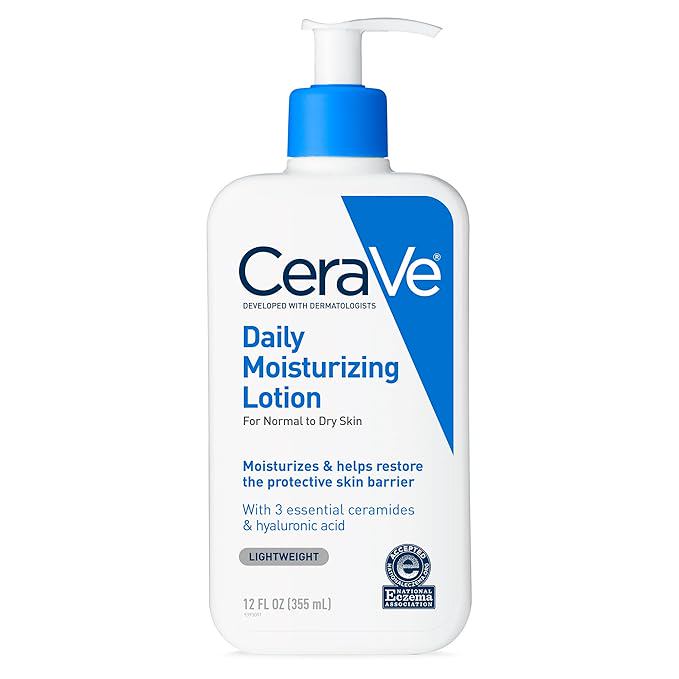
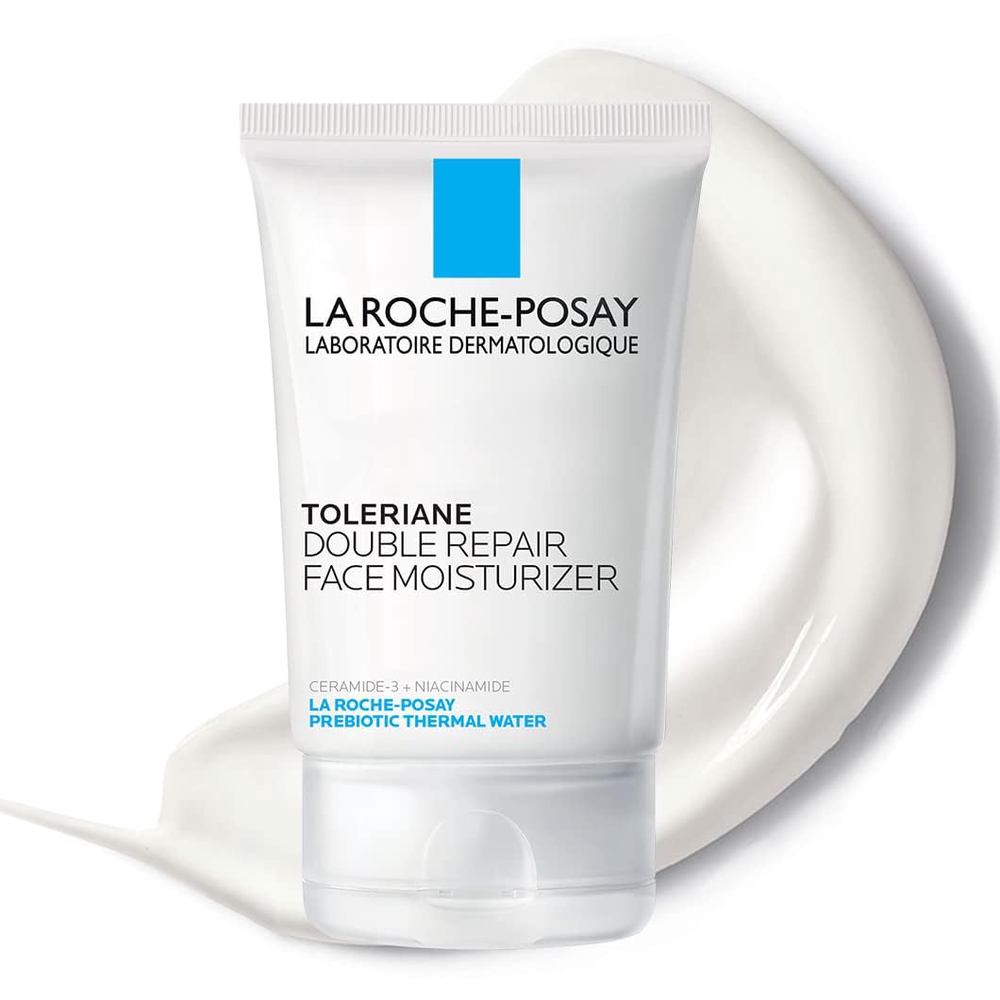
- With Ceramides: Ceramides are the lipids that act as the “mortar” between your skin cells. A product containing both glycerin (to hydrate) and ceramides (to repair the barrier’s structure) is addressing dry skin from two critical angles.
Application timing matters, too. Apply your glycerin-rich moisturizer to damp skin—right after patting your face dry after cleansing or stepping out of the shower. This gives the humectant a reservoir of water to pull from and seal into your skin.
Beyond Glycerin: Supporting Cast for Very Dry Skin
While glycerin is the key ingredient to seek out, severe or persistent dryness may benefit from additional components. These aren’t replacements, but complements.
Ceramides
As mentioned, these are essential fats found naturally in your skin’s barrier. Dry skin is often deficient in them. Look for products that specify “ceramide NP,” “ceramide AP,” or “ceramide EOP.” They help restore the skin’s own protective ability.
Petrolatum (Petroleum Jelly)
This is the ultimate occlusive. It’s inert, incredibly effective, and rarely causes irritation. For patches of extremely dry, cracked skin (like on heels or elbows), applying a glycerin-based product followed by a thin layer of petrolatum can be transformative.
Lactic Acid or Urea
In gentle concentrations (often 5-10%), these are mild exfoliants that help dissolve the “glue” holding onto dead, flaky skin cells. This allows moisturizers to penetrate better and makes skin feel instantly smoother. They are particularly helpful for rough, bumpy skin associated with dryness.
Remember, the goal is repair and maintenance. Consistency with a simple, effective routine built around a glycerin-based moisturizer is often more successful than constantly switching products. If your dryness is severe, widespread, or accompanied by redness and itching, consulting a dermatologist is always the best step to rule out conditions like eczema or psoriasis and get personalized guidance.